Spatchcock Chicken Recipe

This post may contain affiliate links. Please read our disclosure policy.
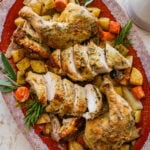
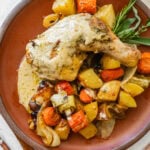
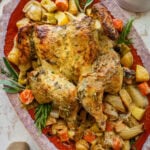
This Spatchcock Chicken Recipe features a whole chicken flattened for even roasting, then coated with herb butter and roasted over potatoes, carrots, onions, and leeks. The chicken develops golden skin while its juices flavor the vegetables, and a creamy Dijon pan sauce brings everything together. This one-pan chicken dinner is ready in about 1½ hours, with most of the cooking time in the oven.
Serve with Homemade Cranberry Relish or an arugula salad dressed with Lemon Vinaigrette.
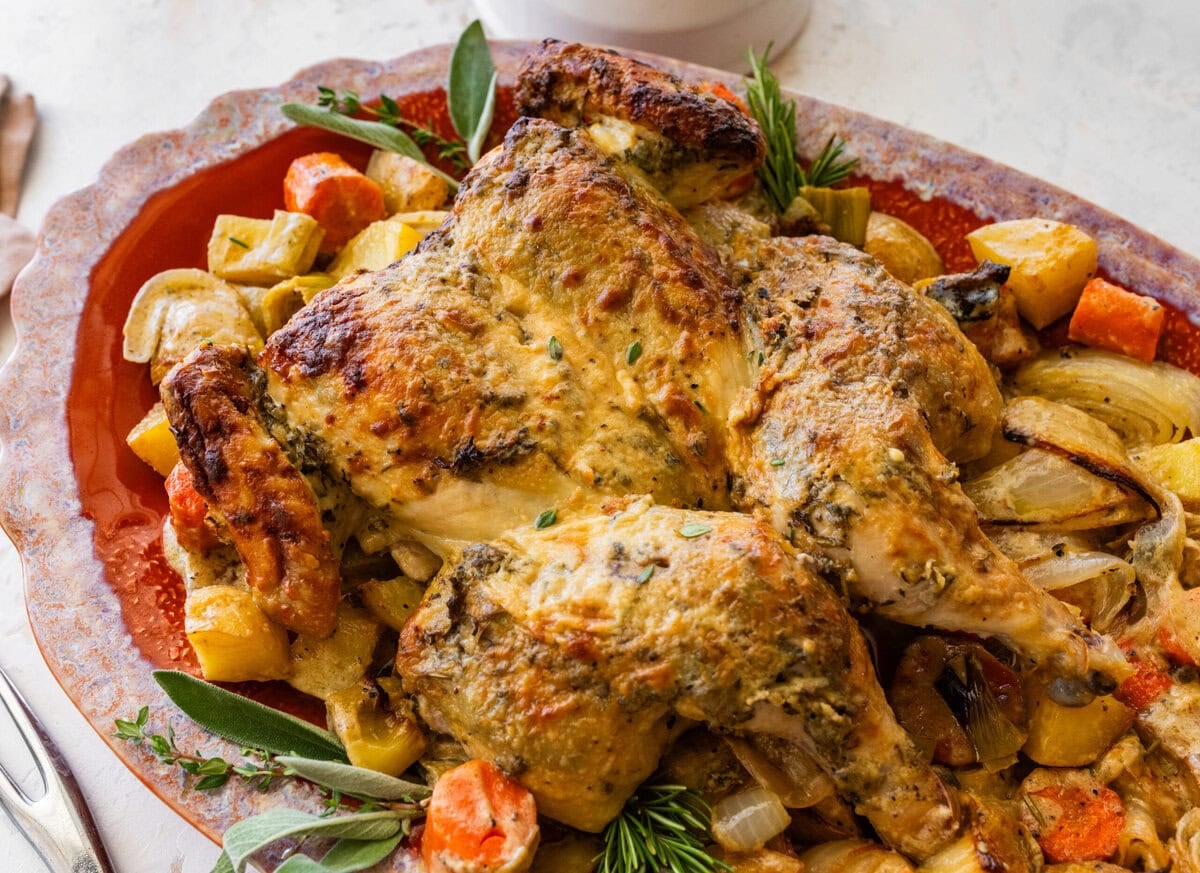

Quick Look: Spatchcock Chicken
- Prep Time: 25 minutes
- Cook Time: 55–65 minutes
- Total Time: 1 hour 30 minutes–2 hours, including resting
- Servings: 8 people
- Dietary Info: Naturally gluten-free and nut-free
- Method: One-pan oven roasting
- Technique: Remove the chicken backbone and flatten the bird, spread herb butter under and over the skin, roast it over seasoned vegetables, then finish with a Dijon cream sauce made directly in the roasting pan.
- Flavor & Texture: Juicy, tender chicken with savory herbs, caramelized vegetables, and a rich, silky Dijon cream sauce.
- Perfect For: Thanksgiving dinner, Christmas roast, Sunday dinner, or an easy-yet-impressive meal for guests.
Why You’ll Love This Spatchcock Chicken Cream Sauce and Vegetables!

This Spatchcock Chicken with Dijon Cream Sauce is a beautiful holiday main dish that feels elegant but is surprisingly easy to make. A whole herb-butter chicken roasts over veggies, then is finished in a luxurious mustard cream sauce. Everything you love about a holiday meal in one pan!
It makes a wonderful alternative to turkey for a smaller Thanksgiving or Christmas gathering, and everything cooks in one pan! Spatchcocking helps the chicken cook faster and more evenly, giving you tender dark meat and especially moist, juicy chicken breast. It is the kind of comforting meal that looks impressive when it reaches the table without requiring complicated preparation.
Try my Oven Baked Chicken Breast Recipe next!
Made With Amore,

Table of Contents
Simple Ingredients
This recipe combines a whole chicken, fresh herbs, hearty vegetables, and a creamy Dijon sauce for a complete one-pan meal.
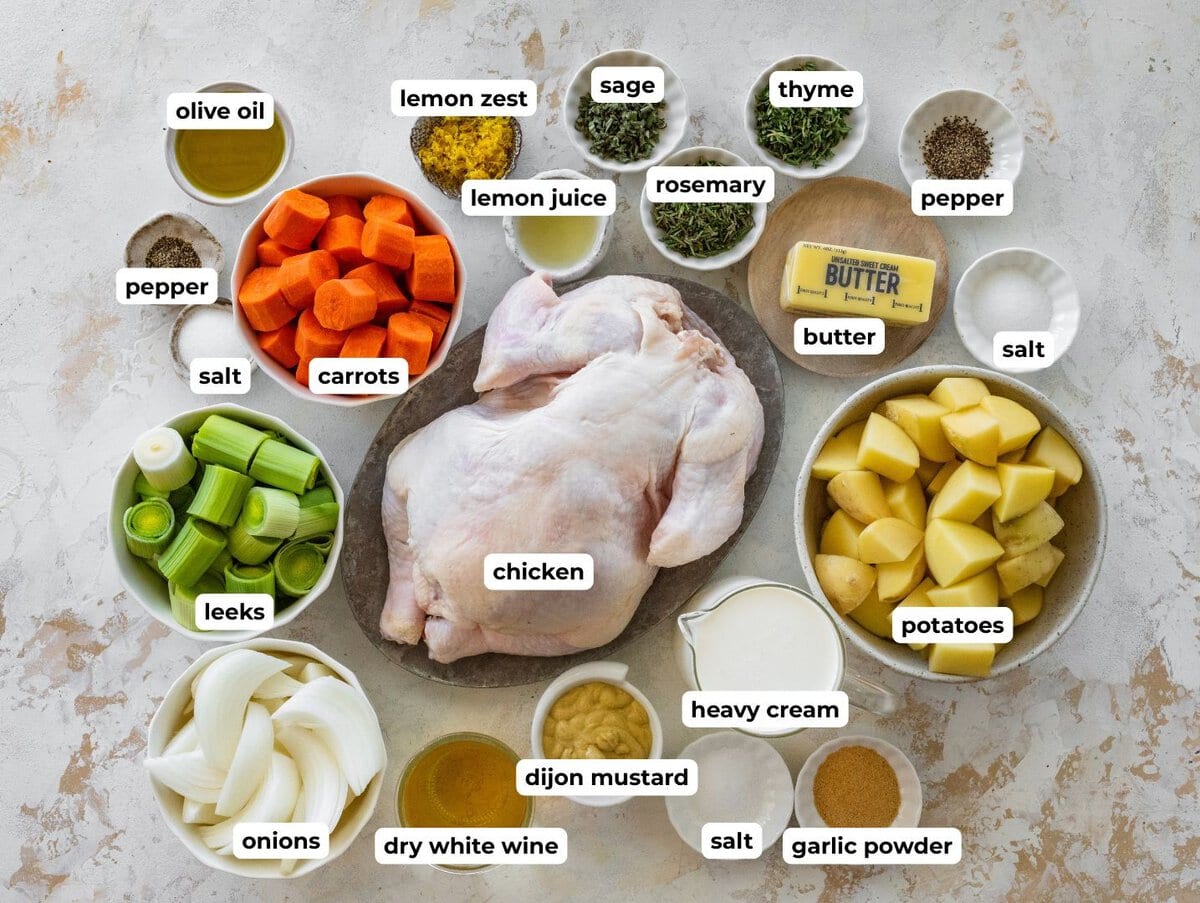
- Whole Chicken: A 4- to 5½-pound chicken works well for this recipe. Removing the backbone and flattening the bird helps it roast more evenly. Choose one that can lie flat in your roasting pan without touching the sides.
- Roasting Vegetables: Yukon Gold potatoes, carrots, onion, and leeks roast underneath the chicken. Together, they create a sweet and savory base that absorbs the herb butter and chicken drippings.
- Herb Butter: Softened butter mixed with rosemary, thyme, sage, salt, pepper, and optional lemon adds flavor under the skin and over the outside of the chicken.
- Dijon Mustard And Cream: Heavy cream and Dijon mustard create the rich, tangy base of the pan sauce.
- White Wine Or Chicken Broth: Adds liquid to the roasting pan and helps create a flavorful sauce alongside the chicken and vegetables.
See recipe card for full information on ingredients and quantities.
Variations & Substitutions
- Wine: Use low-sodium chicken broth in place of dry white wine. Add 1–2 teaspoons of fresh lemon juice to the finished sauce if it needs brightness.
- Vegetables: Swap the potatoes, carrots, and leeks for other sturdy vegetables that can roast for the same amount of time. Use parsnips, Brussels sprouts, sweet potatoes, yams, fennel, or radishes. Try my Roasted Rainbow Carrots and Roasted Fennel.
- Smaller Chicken: Begin checking a 4–4½-pound chicken about 20 minutes after adding the cream sauce.
- Sauce Consistency: The sauce is meant to be pourable, not as thick as gravy. It thickens slightly as it rests, and it can be briefly reduced on the stove if you prefer a richer finish.
How to Make Spatchcock Chicken
Herb butter gives this chicken golden skin and juicy meat, while the vegetables roast underneath in all that goodness. Follow the step-by step photos and see the recipe card at the bottom for a printable version.
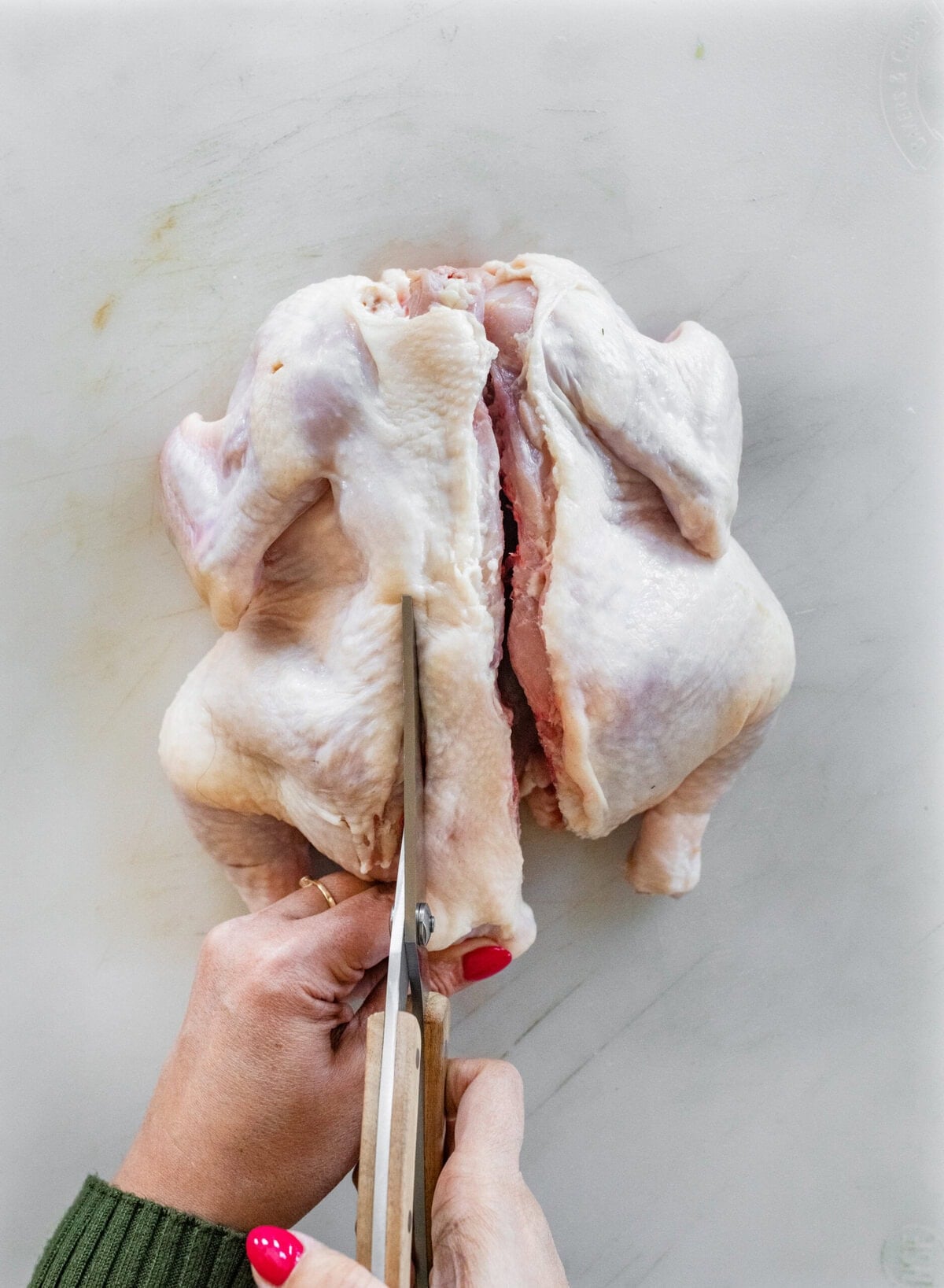
- Preheat the oven to 450°F. Position an oven rack in the center. Place the chicken breast-side down on a cutting board with the legs pointing toward you. Using sturdy kitchen shears, cut along one side of the backbone from the tail toward the neck. Repeat on the other side and remove the backbone. Save it for Homemade Chicken Broth
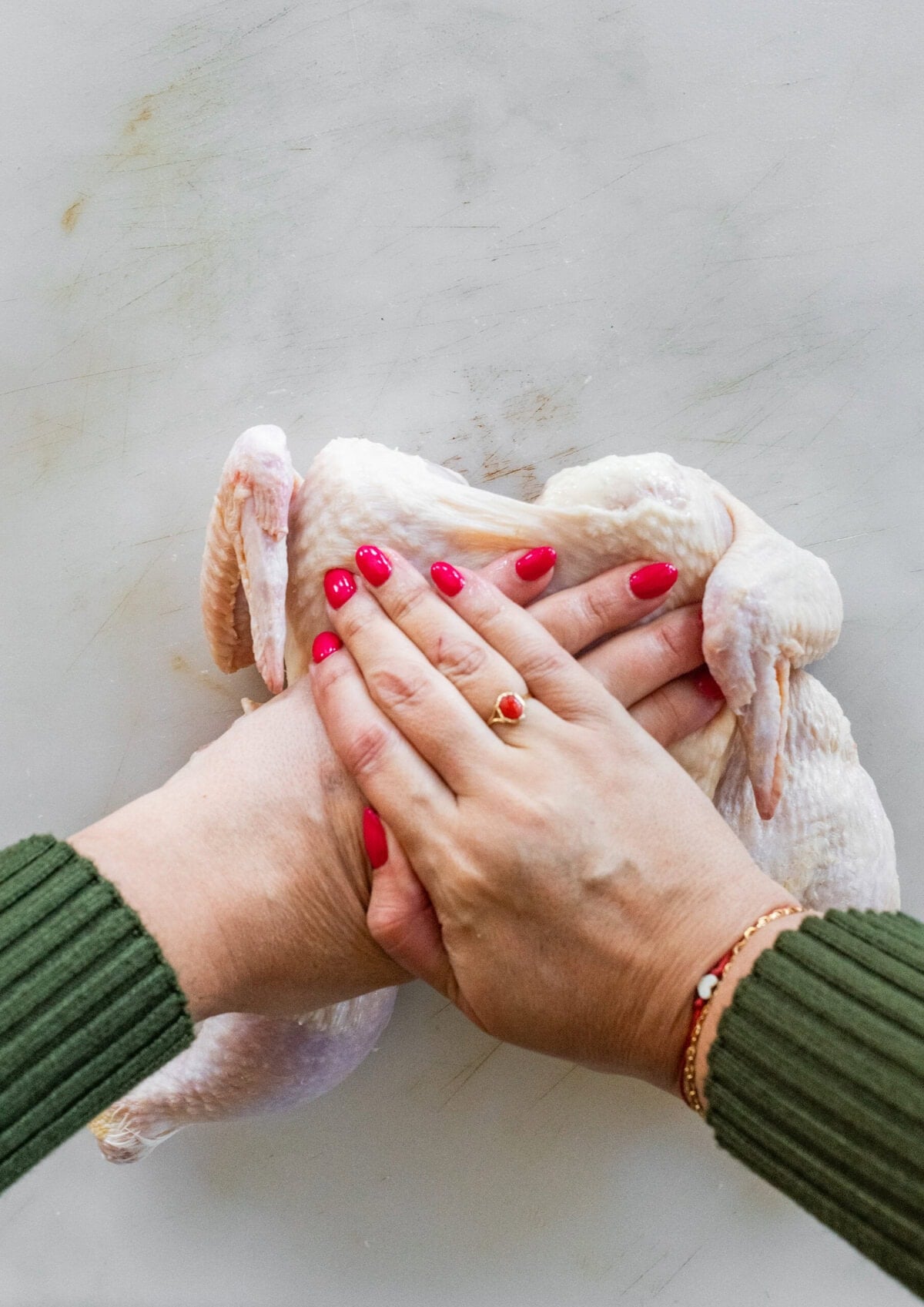
- Turn the chicken breast-side up. Place the heel of your hand over the center of the breastbone and press down firmly until you hear it crack and the chicken lies flat. It should almost look like two chicken halves side by side. Tuck the wing tips underneath or behind the breasts to prevent them from burning.
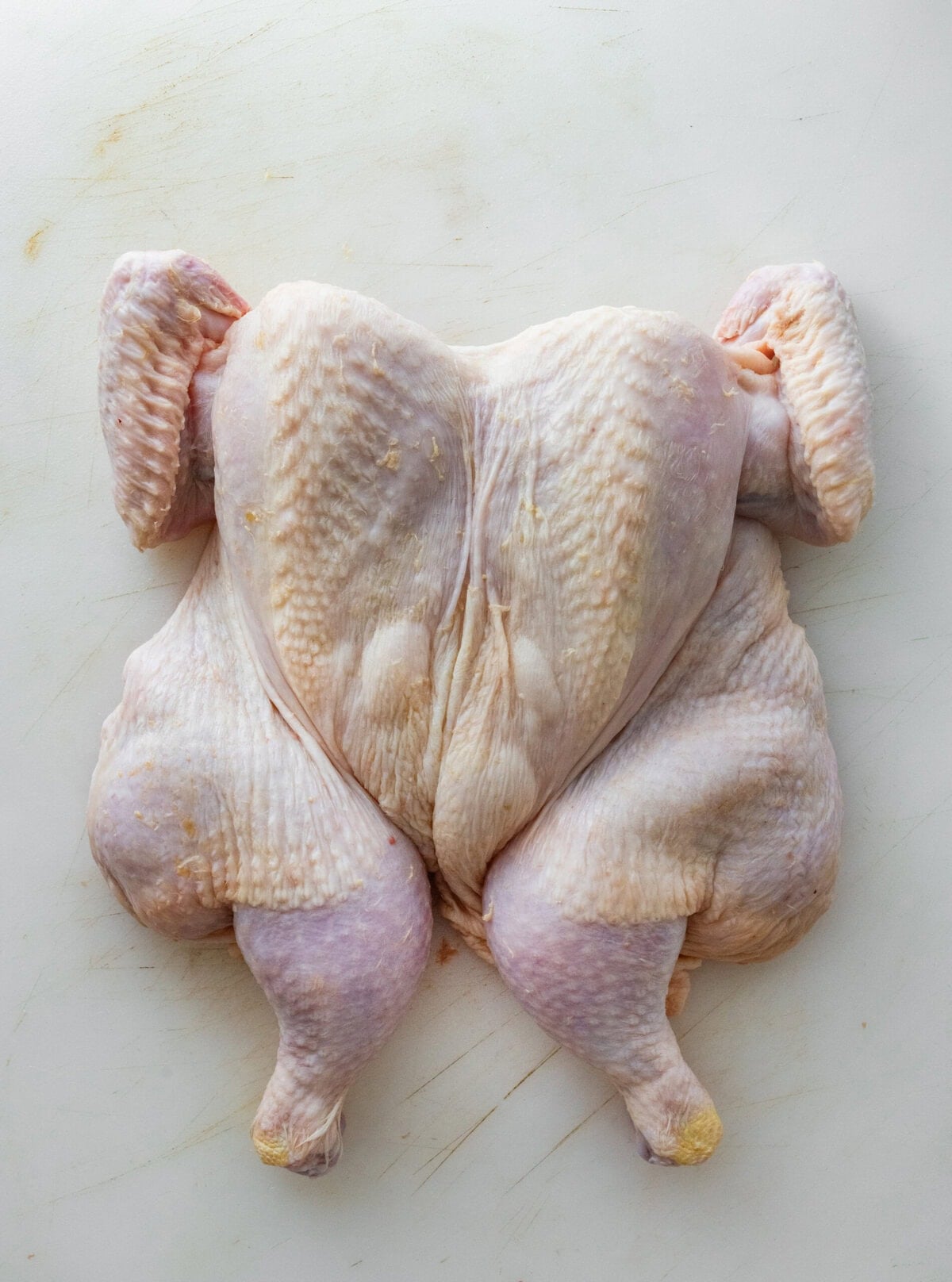
- Pat the chicken very dry inside and out using paper towels.
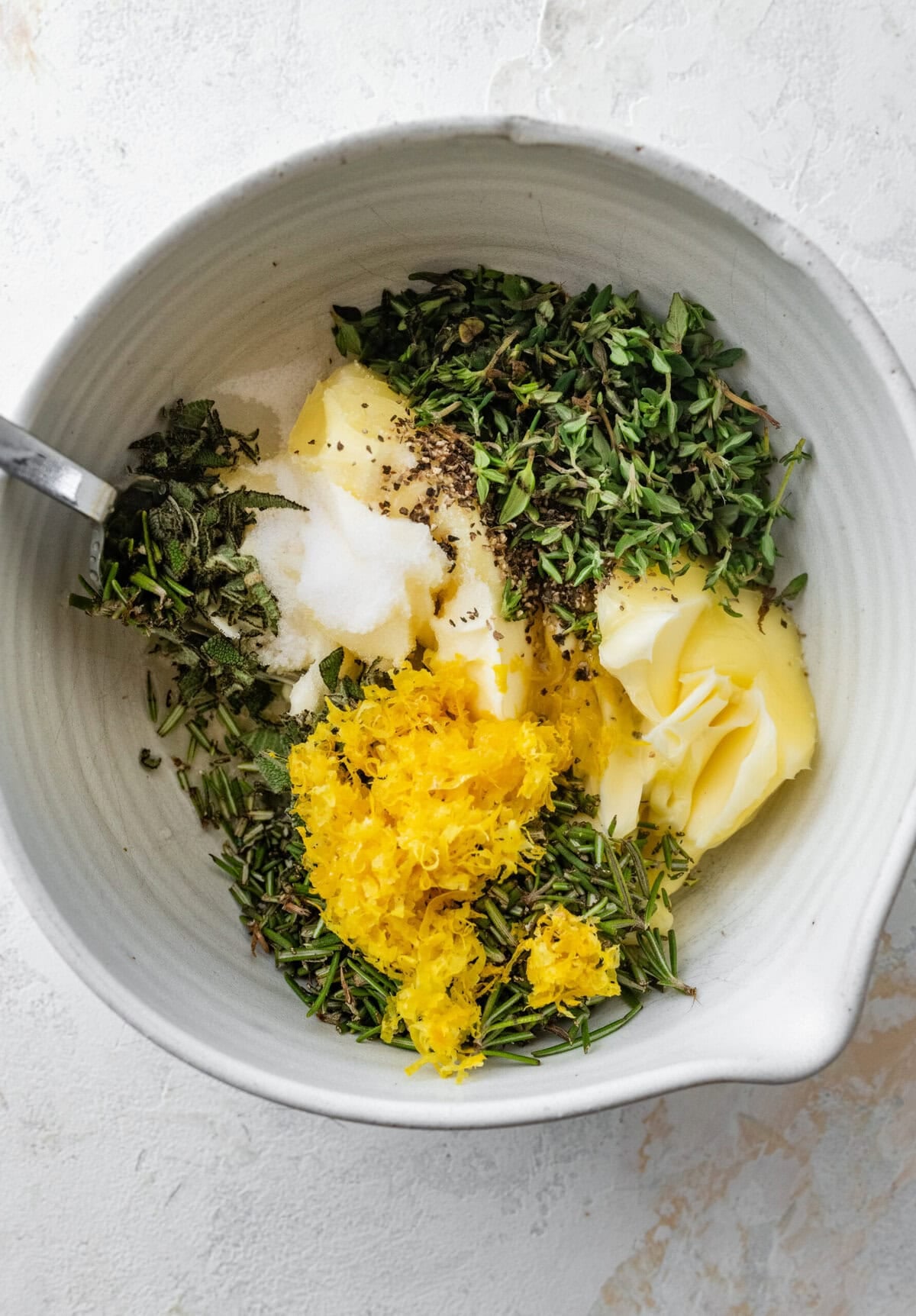
- In a small bowl, combine the softened butter, salt, pepper, rosemary, thyme, sage, and optional lemon juice and zest. Mix until evenly combined.
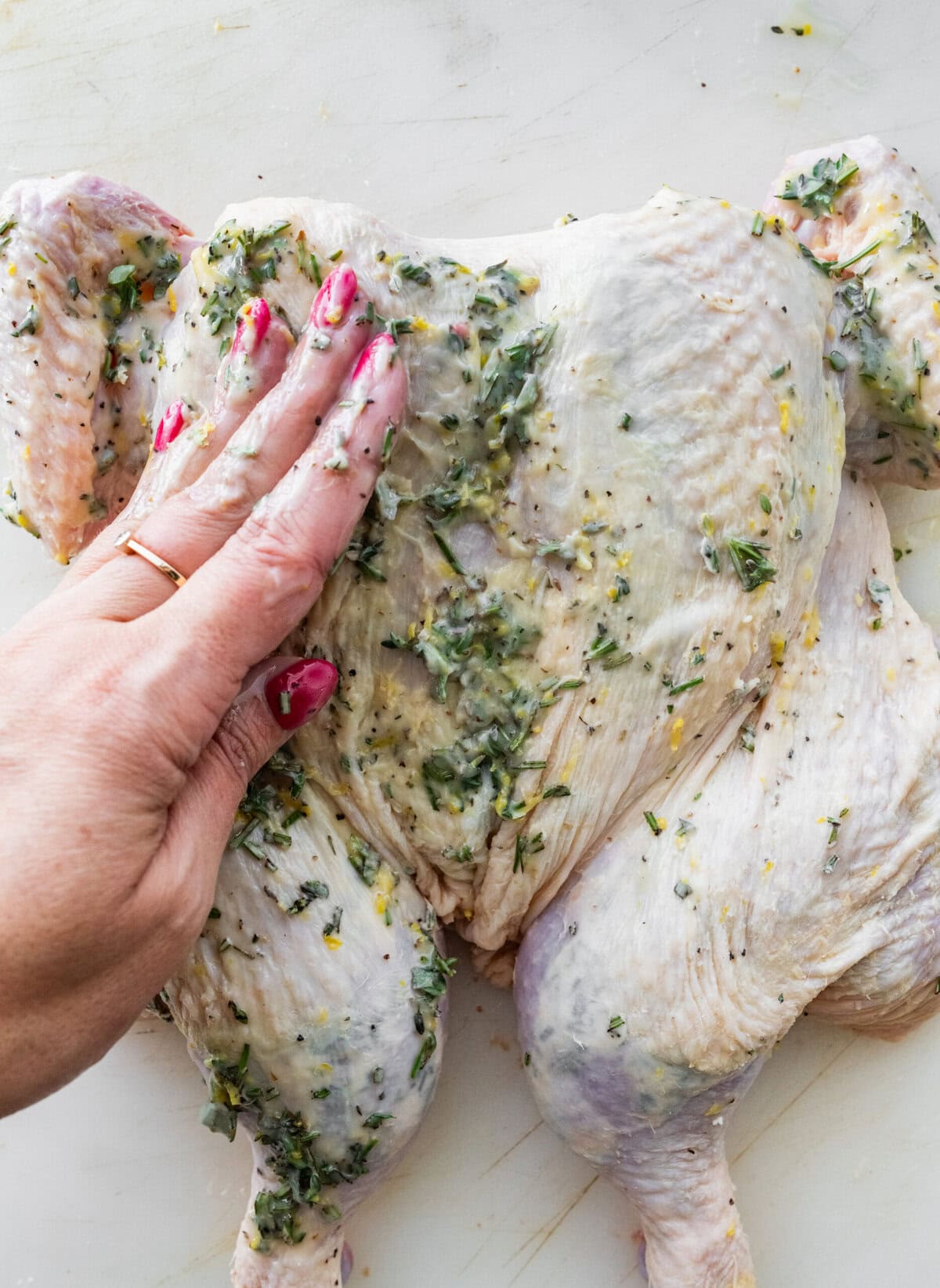
- Carefully loosen the skin over the breasts and thighs with your fingers, taking care not to tear it. Spread about two-thirds of the herb butter directly underneath the skin. Rub the remaining butter over the outside of the chicken.
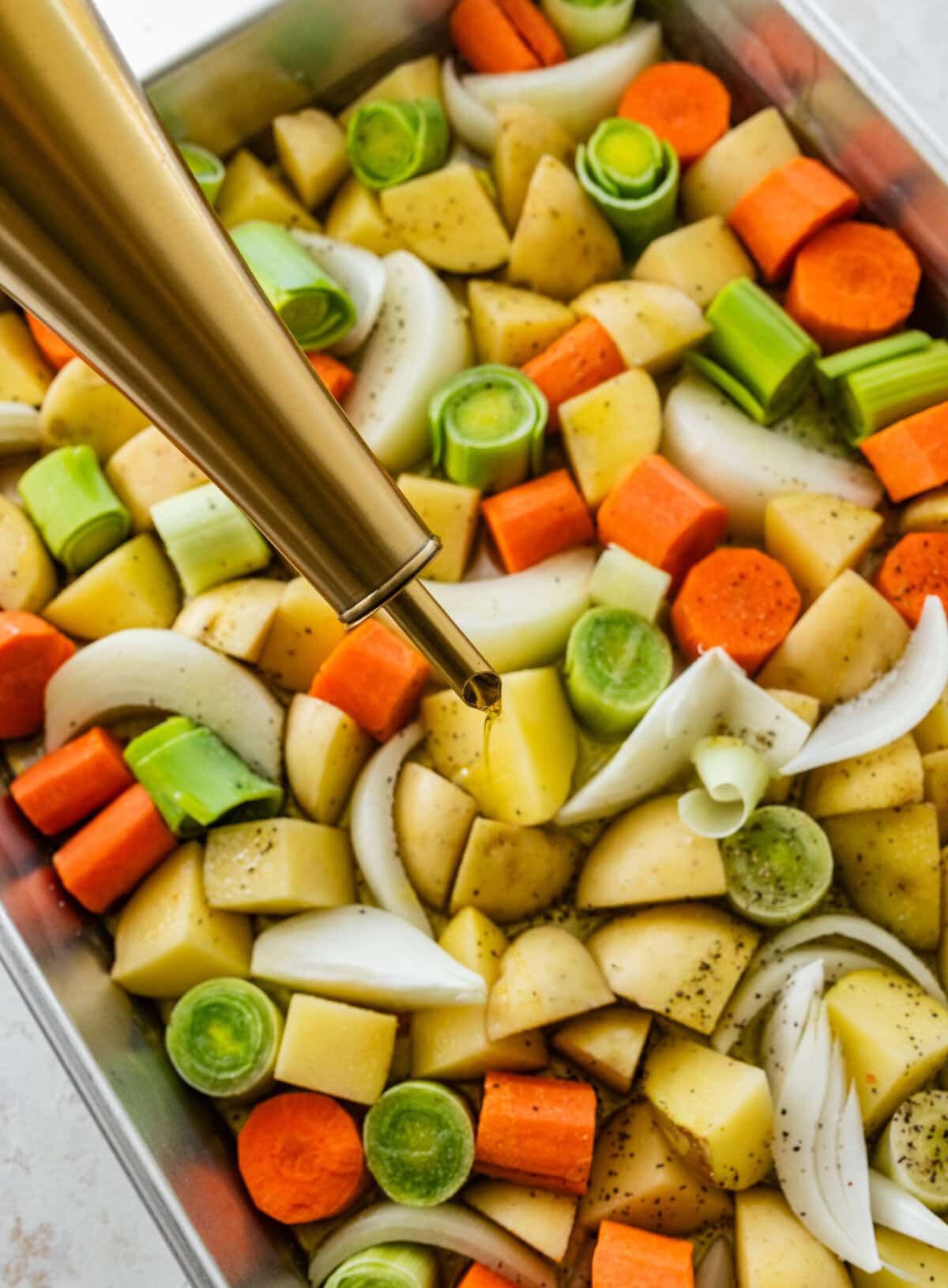
- Add the onion, potatoes, carrots, and leeks to the roasting pan. Drizzle with the olive oil and season with the salt and black pepper. Toss well, then spread the vegetables into an even layer.
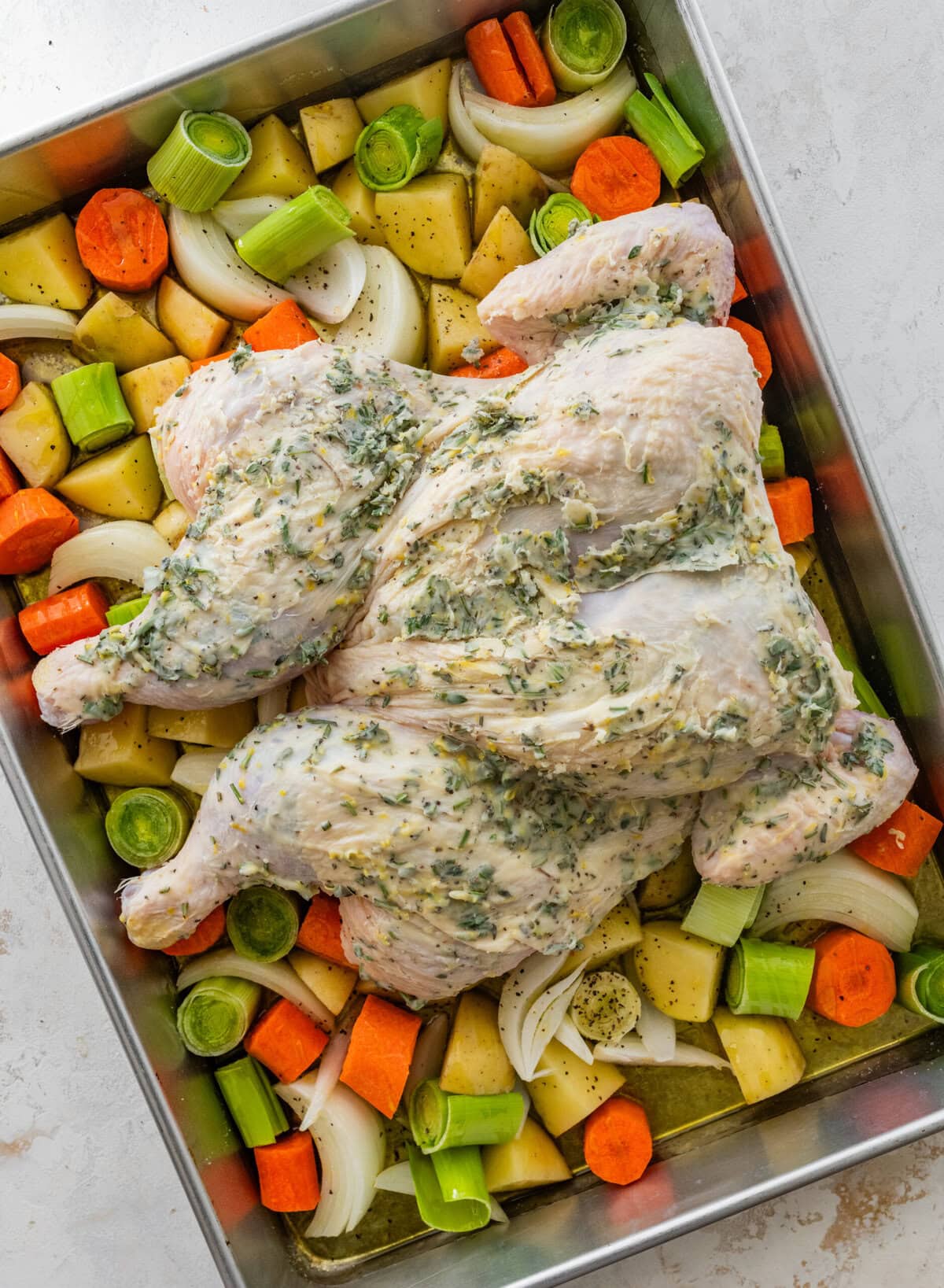
- Set the chicken breast-side up directly over the vegetables. Position the legs toward the back corners of the oven, where the heat is often strongest. Roast at 450°F for 30 minutes, or until the chicken starts to turn golden brown.
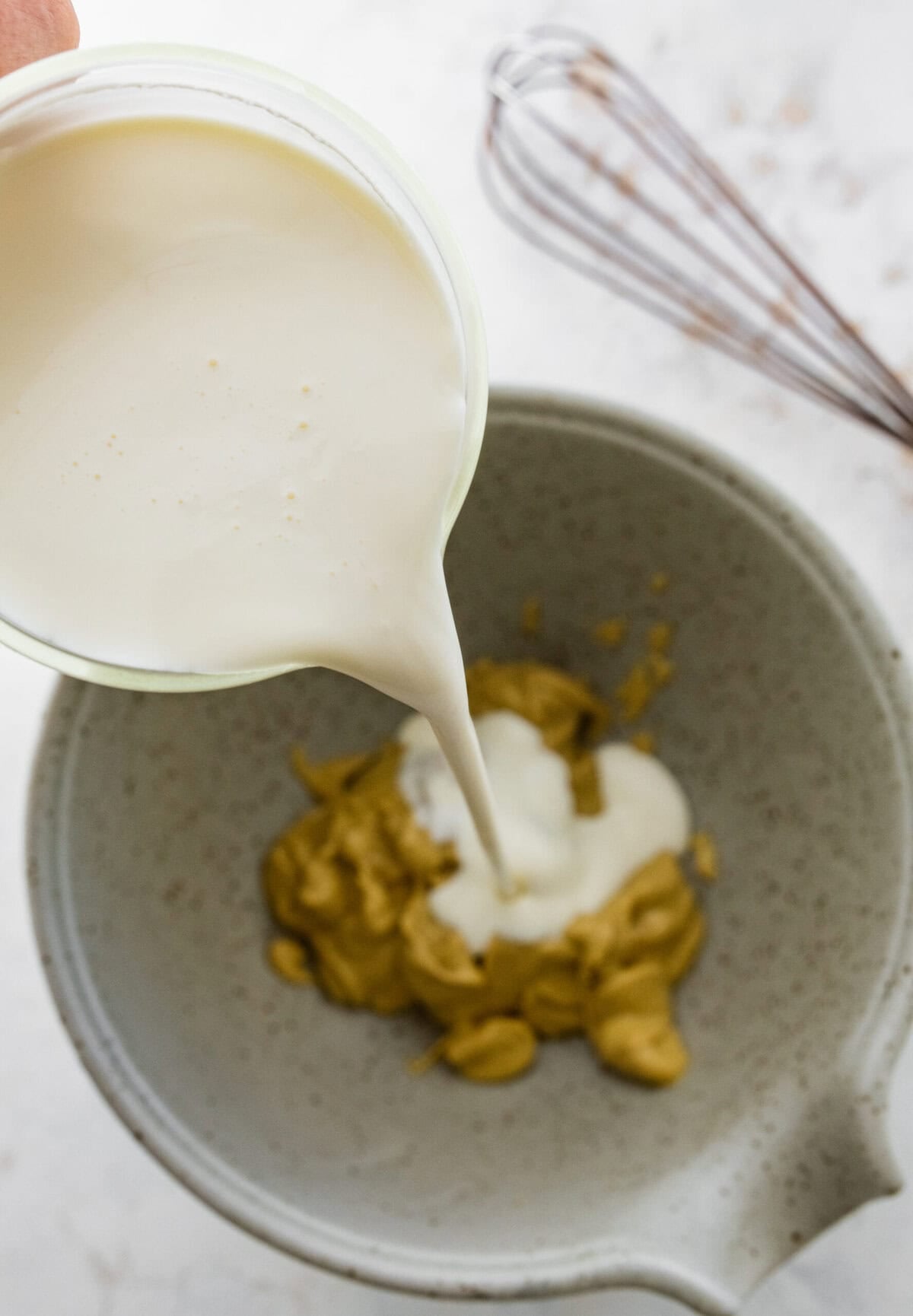
- While the chicken roasts, whisk together the heavy cream, Dijon mustard, garlic powder, and salt until smooth. Keep the wine or chicken broth separate.
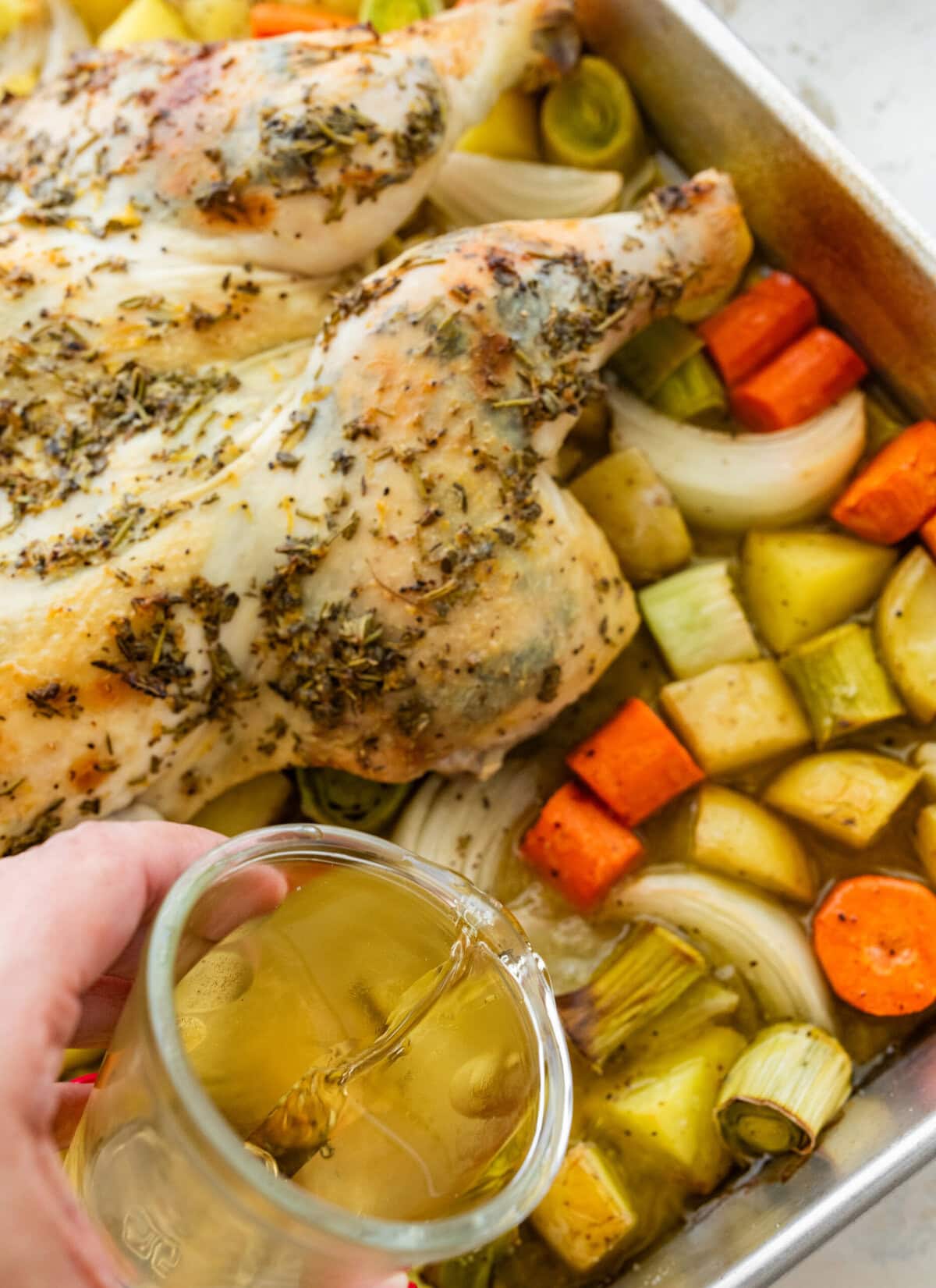
- Remove the chicken from the oven and immediately reduce the oven temperature to 375°F. Carefully pour the white wine or chicken broth into the bottom of the hot roasting pan—not directly over the chicken. Gently tilt the pan so the liquid spreads across the bottom. Pour the cream and mustard mixture evenly over and around the chicken and vegetables. Return the pan to the oven and roast for 30-60 minutes.
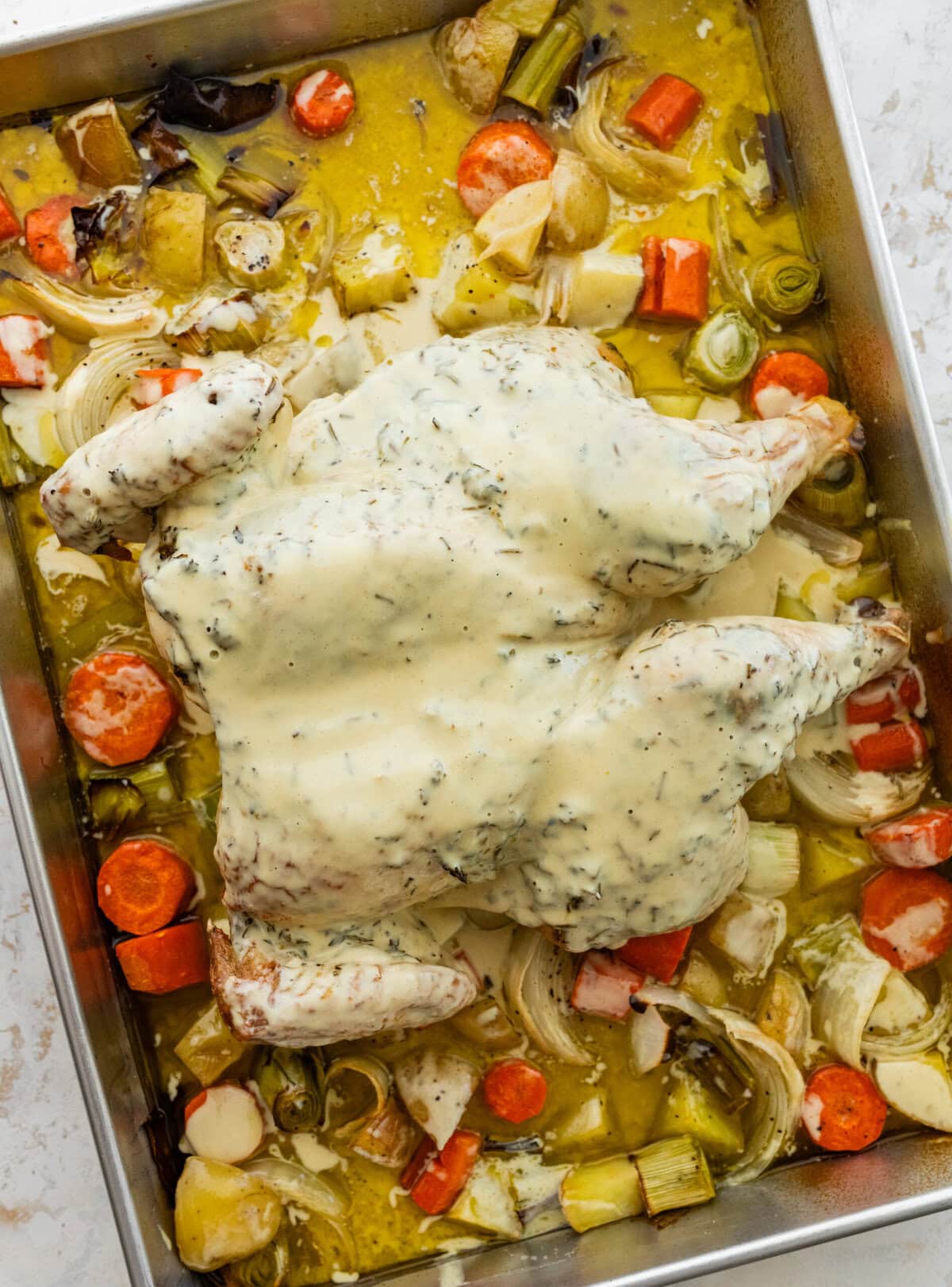
- If desired, baste the chicken once with the cream sauce during cooking. After 30 minutes, check the temperature with an instant-read thermometer. A 5½-pound chicken may require an additional 15-30 minutes, depending on its shape, starting temperature, the depth of the vegetables, and the accuracy of your oven. Continue roasting in 10-minute increments until the thickest part of the breast and the innermost part of the thigh both reach 165°F. Do not allow the thermometer to touch bone.
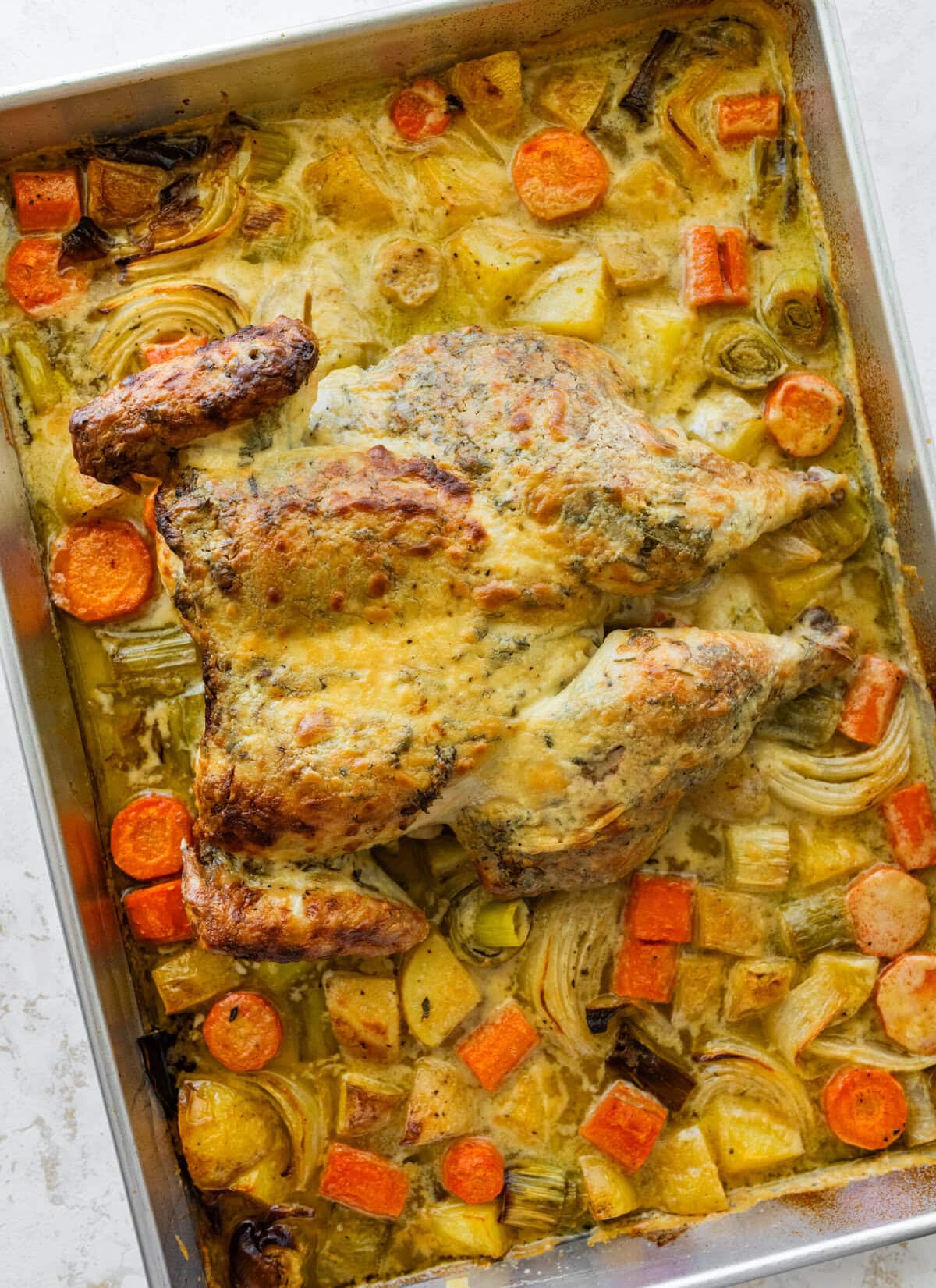
- Transfer the chicken to a carving board. Tent it loosely with aluminum foil and allow it to rest for 15–20 minutes before carving. Avoid covering it tightly because trapped steam will soften the golden skin. Stir the sauce remaining in the pan and taste for seasoning. If the vegetables need more time, return the pan to the oven while the chicken rests.
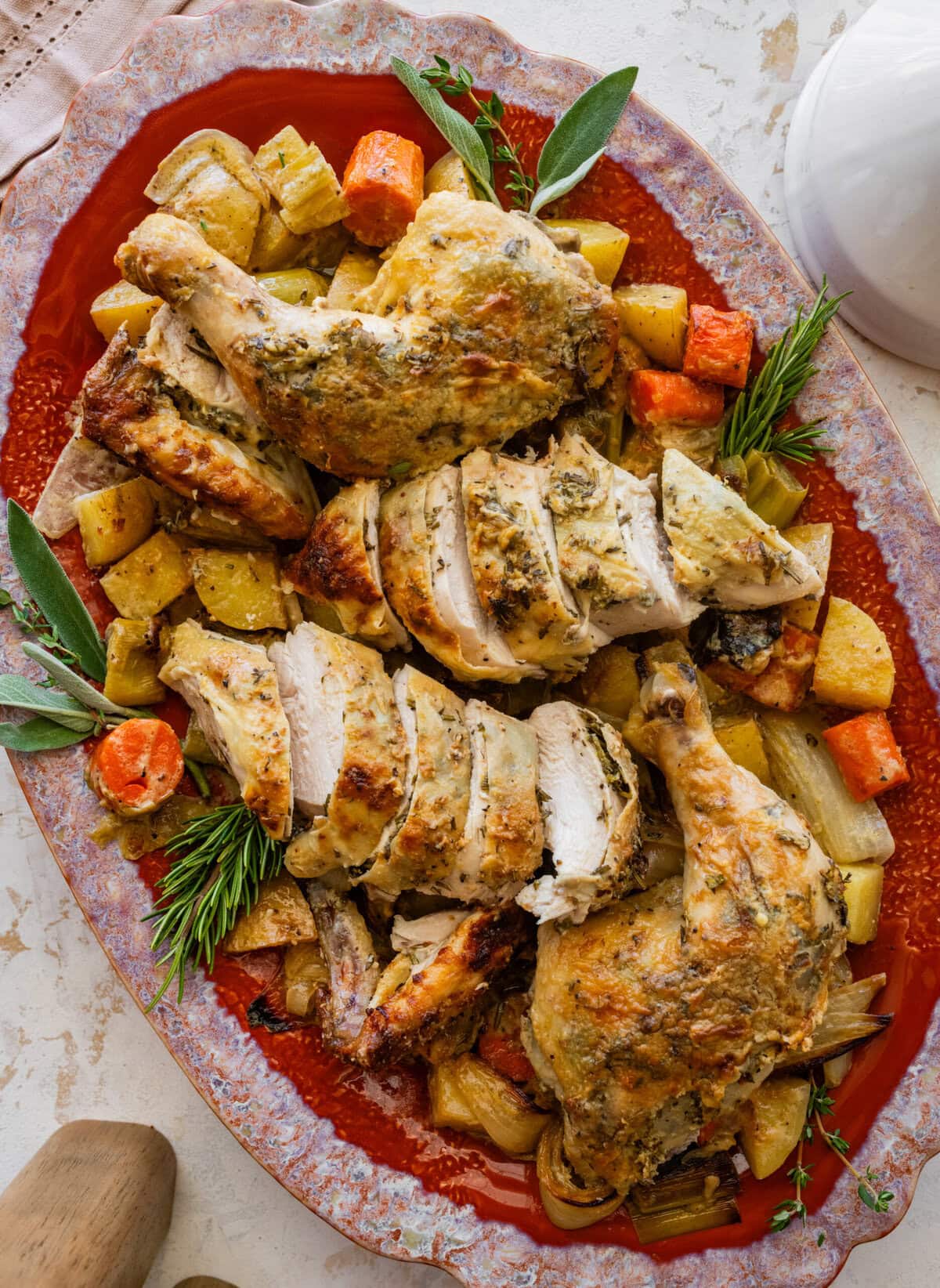
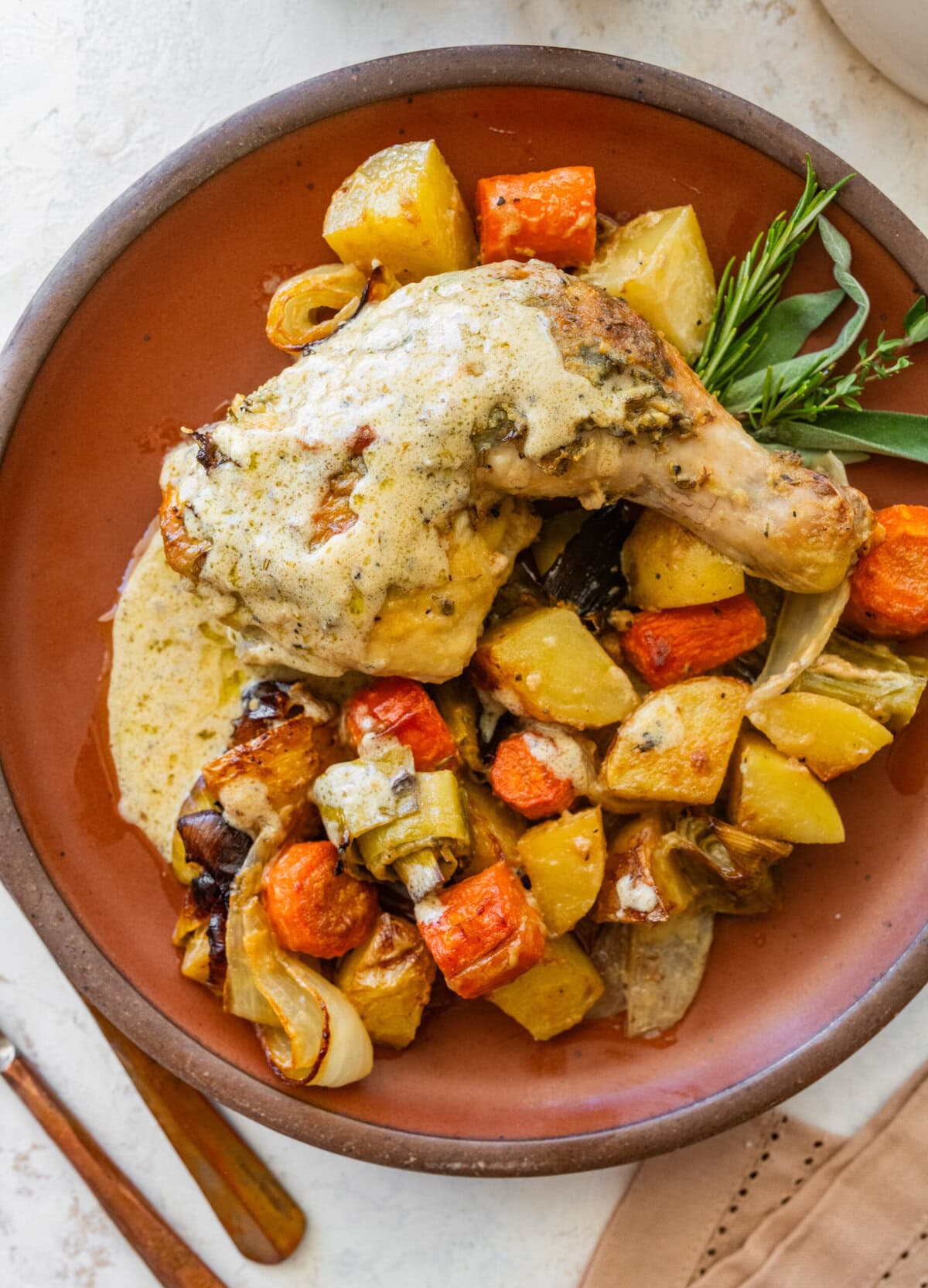
- Carve the rested chicken and return the pieces to the roasting pan or arrange them on a large serving platter with the vegetables. Spoon plenty of warm Dijon cream sauce over everything before serving.
Spatchcock Chicken and Vegetables FAQs
Spatchcock chicken, also called butterflied chicken, is a whole chicken with the backbone removed and the breastbone pressed flat.
Instead of keeping the rounded shape of a traditional whole chicken, the breast, thighs, and legs rest on nearly the same level. This exposes more of the chicken to the oven’s heat and allows the different parts to cook more evenly.
The word may sound technical, but the process takes only a few minutes with sturdy kitchen shears. You can also ask your butcher to spatchcock the chicken for you.
A whole chicken naturally has an uneven shape. The lean breast sits high in the center while the legs and thighs rest lower and closer to the body. This can cause the breast to become dry before the dark meat is completely cooked.
Spatchcocking flattens the entire bird so the breast, thighs, and legs receive heat more evenly. The chicken also cooks faster because there is no hollow cavity insulating the underside.
This recipe provides even more protection against dry chicken:
Herb butter is spread underneath the skin, directly over the breast and thigh meat.
The chicken starts at high heat for browning. It finishes gently at 325°F in the Dijon cream sauce. Resting allows the juices to settle back into the meat before carving. The result is moist white meat, tender dark meat, and plenty of flavorful sauce for spooning over every slice.
The chicken can be spatchcocked up to 24 hours before roasting. Place it on a tray and refrigerate it covered or uncovered.
Leaving the chicken uncovered in the refrigerator helps dry the skin and encourages deeper browning. Add the herb butter shortly before roasting.
The herb butter can be mixed up to 3 days ahead and refrigerated in an airtight container. Let it soften at room temperature before spreading it under the chicken skin.
The onions, carrots, and fennel can be cut several hours ahead and refrigerated.
Cut potatoes can be kept submerged in cold water in the refrigerator for several hours. Drain and dry them thoroughly before seasoning and roasting.
Whisk the cream sauce shortly before adding it to the pan.
Cool leftovers within 2 hours. Store the carved chicken, vegetables, and sauce in an airtight container in the refrigerator for up to 3 days. Reheat covered in a 325°F oven until the chicken reaches 165°F, adding a splash of broth or cream if the sauce has thickened. For individual portions, warm gently in a covered skillet over low heat. Freezing is not recommended because cream sauce can separate and the vegetables may become grainy.
Serving Suggestions
This spatchcock chicken is a complete meal with potatoes, carrots, onions, leeks, and a creamy Dijon sauce, but I also love serving it with a fresh salad or additional vegetable. Try it with a salad dressed with Zesty Italian Dressing, Longhorn Steakhouse Crispy Brussels Sprouts, or Roasted Green Beans to add freshness. If you’re hosting a large gathering, make Savory Sweet Potato Casserole or Jiffy Corn Casserole on the side.
My Pro Tips
Recipe Tips
- Dry the chicken thoroughly before adding the herb butter so the skin roasts and browns properly. Make sure to spread most of the butter under the skin.
- Position the chicken legs toward the hotter back corners of the oven.
- Allow the heavy cream to warm to room temperature while the chicken begins roasting.
- Use an instant-read thermometer rather than relying only on cooking time, since the size and shape of the chicken can affect how quickly it cooks.
- Tent the chicken and let it rest before carving so the juices have time to redistribute without steaming the skin.
More Chicken Recipes You’ll Love


💙 MADE THIS RECIPE AND LOVED IT? 💙 Please leave a ⭐️STAR rating and COMMENT below- I love connecting with you! Tag me with your creations on Instagram and find me on Pinterest.
Spatchcock Chicken
Ingredients
Chicken and Vegetables
- 1 whole chicken, about 4- 5½ pounds, giblets removed
- 1 large yellow onion, cut into bite sized pieces
- 1½ pounds Yukon Gold potatoes, cut into 1-inch pieces
- 3 large carrots, peeled and cut into 1-inch pieces
- 2 large leeks, white and light green parts only, cut into 1-inch-thick rounds and thoroughly rinsed
- 2 tablespoons extra-virgin olive oil
- 1½ teaspoons kosher salt
- ½ teaspoon freshly ground black pepper
Herb Butter
- ½ cup butter, softened to room temperature
- 1 teaspoon kosher salt, plus more to taste
- ½ teaspoon freshly ground black pepper
- ½ tablespoon finely chopped fresh rosemary
- ½ tablespoon finely chopped fresh thyme
- 1 teaspoon finely chopped fresh sage
- 1 tablespoon fresh lemon juice, optional
- 1 teaspoon finely grated lemon zest, optional
Dijon Cream Sauce
- 2 cups heavy cream, preferably at room temperature
- 3 tablespoons Dijon mustard
- 1½ teaspoons garlic powder
- ½ teaspoon kosher salt
- ½ cup dry white wine or low-sodium chicken broth
Instructions
- Preheat the oven. Preheat the oven to 450°F. Position an oven rack in the center. Use a large, deep roasting pan or a 12-by-17-inch rimmed sheet pan with sides at least 1 inch high. The pan must be large enough to hold the chicken, vegetables, and cream sauce without overflowing.
- Spatchcock the chicken. Place the chicken breast-side down on a stable cutting board with the legs pointing toward you. Using sturdy kitchen shears, cut along one side of the backbone from the tail toward the neck. Repeat on the other side and remove the backbone. Save it for homemade chicken stock, if desired.
- Flatten the chicken. Turn the chicken breast-side up. Place the heel of your hand over the center of the breastbone and press down firmly until you hear it crack and the chicken lies flat. It should almost look like two chicken halves side by side. Tuck the wing tips underneath or behind the breasts to prevent them from burning.
- Dry the chicken. Pat the chicken very dry inside and out using paper towels.
- Make the herb butter. In a small bowl, combine the softened butter, salt, pepper, rosemary, thyme, sage, and optional lemon juice and zest. Mix until evenly combined.
- Season the chicken. Carefully loosen the skin over the breasts and thighs with your fingers, taking care not to tear it. Spread about two-thirds of the herb butter directly underneath the skin. Rub the remaining butter over the outside of the chicken.
- Prepare the vegetables. Add the onion, potatoes, carrots, and leeks to the roasting pan. Drizzle with the olive oil and season with the salt and black pepper. Toss well, then spread the vegetables into an even layer.
- Arrange the chicken. Set the chicken breast-side up directly over the vegetables. Position the legs toward the back corners of the oven, where the heat is often strongest.
- Begin roasting. Roast at 450°F for 30 minutes, or until the chicken starts to turn golden brown.
- Make the cream mixture. While the chicken roasts, whisk together the heavy cream, Dijon mustard, garlic powder, and salt until smooth. Keep the wine or chicken broth separate.
- Lower the oven temperature. Remove the chicken from the oven and immediately reduce the oven temperature to 375°F.
- Add the wine and cream. Carefully pour the white wine or chicken broth into the bottom of the hot roasting pan—not directly over the chicken. Gently tilt the pan so the liquid spreads across the bottom. Pour the cream and mustard mixture evenly over and around the chicken and vegetables.
- Finish roasting. Return the pan to the oven and roast for 30-60 minutes. If desired, baste the chicken once with the cream sauce during cooking.
- Check for doneness. After 30 minutes, check the temperature with an instant-read thermometer. A 5½-pound chicken may require an additional 15-30 minutes, depending on its shape, starting temperature, the depth of the vegetables, and the accuracy of your oven. Continue roasting in 10-minute increments until the thickest part of the breast and the innermost part of the thigh both reach 165°F. Do not allow the thermometer to touch bone.
- Rest the chicken. Transfer the chicken to a carving board. Tent it loosely with aluminum foil and allow it to rest for 15–20 minutes before carving. Avoid covering it tightly because trapped steam will soften the golden skin.
- Finish the vegetables and sauce. Stir the sauce remaining in the pan and taste for seasoning. If the vegetables need more time, return the pan to the oven while the chicken rests.
- Carve and serve. Carve the rested chicken and return the pieces to the roasting pan or arrange them on a large serving platter with the vegetables. Spoon plenty of warm Dijon cream sauce over everything before serving.
Notes
- Serve with Homemade Cranberry Relish or an arugula salad dressed with Lemon Vinaigrette.
- Dry the chicken thoroughly before adding the herb butter so the skin roasts and browns properly. Make sure to spread most of the butter under the skin.
- Position the chicken legs toward the hotter back corners of the oven.
- Allow the heavy cream to warm to room temperature while the chicken begins roasting.
- Use an instant-read thermometer rather than relying only on cooking time, since the size and shape of the chicken can affect how quickly it cooks.
- Tent the chicken and let it rest before carving so the juices have time to redistribute without steaming the skin.
Nutrition
Nutrition information is automatically calculated, so should only be used as an approximation.





I tried making chicken this way and really liked how it turned out! Getting the chicken to cook evenly and having crispy skin all over makes such a difference.