Orzo vs Risotto: What’s the Difference?

This post may contain affiliate links. Please read our disclosure policy.
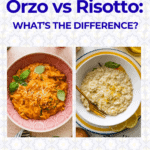
Orzo and risotto may look similar, but they are made from different ingredients and cooked in different ways. Orzo vs. Risotto comes down to one key difference: orzo is a small, rice-shaped pasta, while risotto is an Italian rice dish cooked gradually with broth until creamy. Learn the differences, how each one is cooked, and whether you can substitute one for the other.
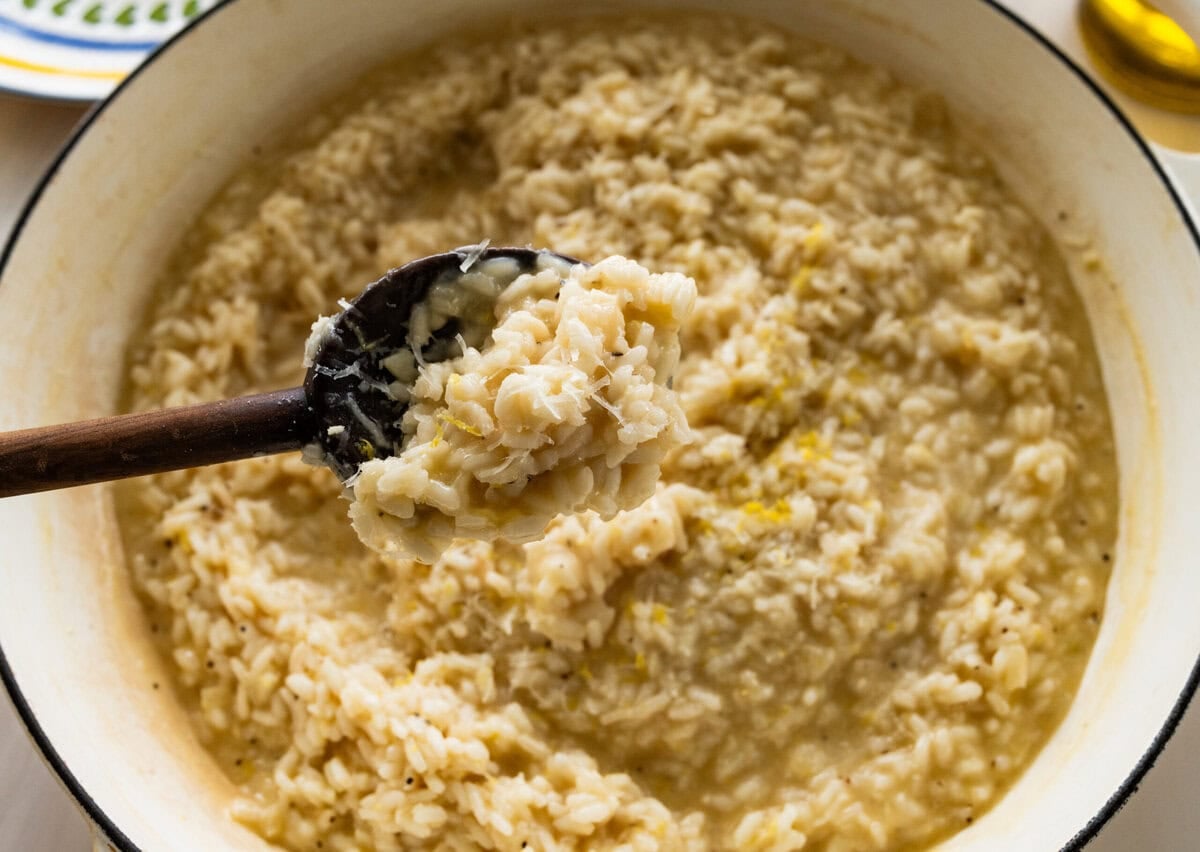
Table of Contents
What is Orzo?
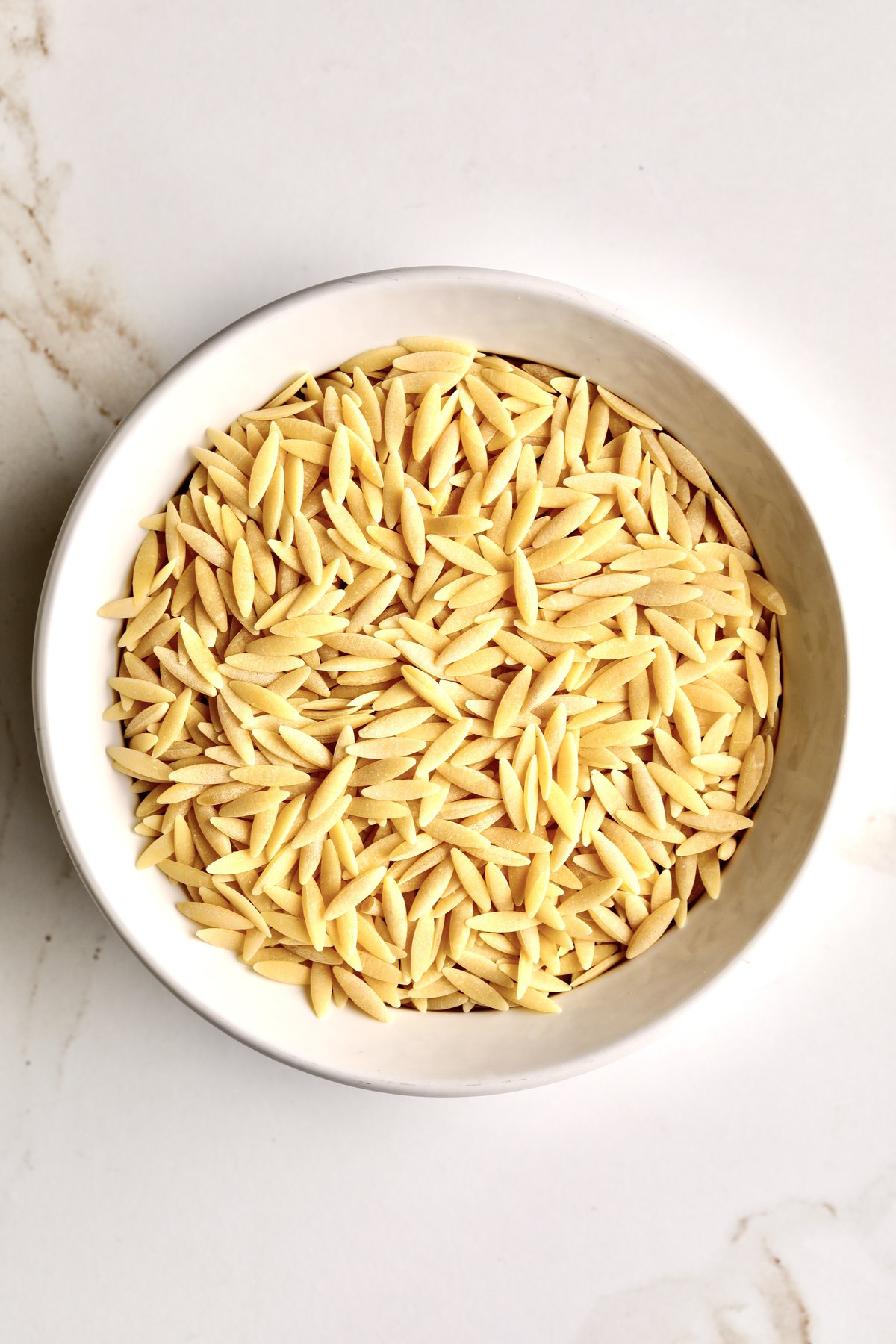
Orzo is a small, rice-shaped pasta made from wheat, often from semolina flour. Although it resembles rice, orzo is pasta and is typically cooked like other types of pasta.
How to Cook Orzo
Orzo is typically cooked like pasta: boil it in salted water until al dente, then drain and use it in salads, soups, side dishes, or saucy pasta dishes. If you need more information, you should check out my post on how to boil pasta.
Orzo Recipes to Try

Creamy Chicken Orzo (One-Pot Recipe)
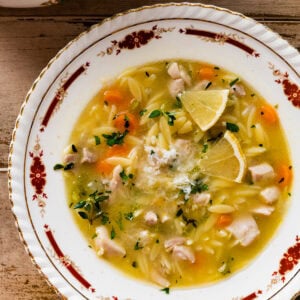
Lemon Chicken Orzo Soup Recipe
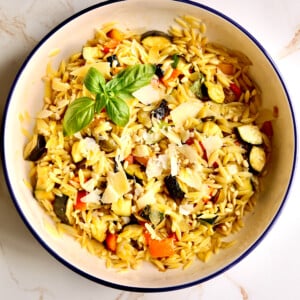
Orzo with Vegetables and Parmesan

Greek Orzo Pasta Salad

Butternut Squash Orzo Recipe
What is Risotto?
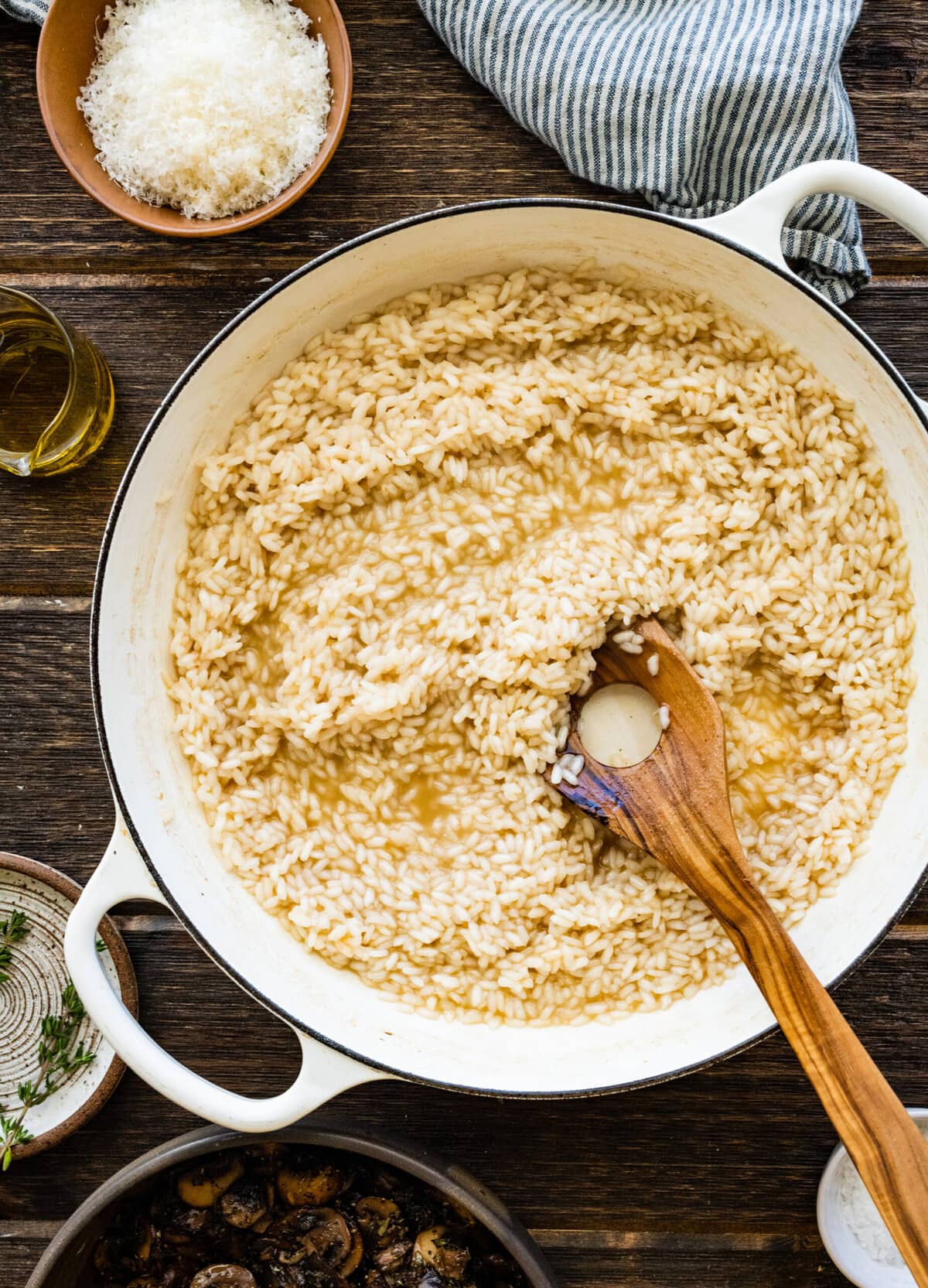
Risotto is a traditional Italian rice dish made by slowly cooking short- or medium-grain rice with broth. As the rice cooks, it releases starch into the liquid, creating risotto’s signature creamy texture while the grains remain al dente.
Arborio is one of the best-known risotto rice varieties, but Carnaroli and Vialone Nano are also traditional choices.
How to Cook Risotto
Cooking risotto is quite different from cooking orzo. It is a longer process with more steps because it is a dish rather than just an ingredient.
- Heat the broth in a separate saucepan and keep it warm.
- Sauté the aromatics in olive oil or butter until softened.
- Add the rice and toast for 1–2 minutes, stirring until the grains are lightly coated and the edges become slightly translucent.
- Add warm broth gradually, one ladle at a time, stirring as the rice absorbs the liquid.
- Continue adding broth and stirring until the rice is creamy and tender with a slightly firm center.
- Finish with butter and Parmigiano cheese, if desired.
Types of Rice to Use for Risotto
The best rice for risotto has enough starch to create a creamy texture while maintaining an al dente center. The three varieties you’ll most commonly see are Arborio, Carnaroli, and Vialone Nano.
- Arborio is the most popular short-grain rice for risotto. It can absorb a lot of liquid and produce a creamy risotto. It is also more tender and can easily go from al dente to sticky if you cook too long or stir too much.
- Carnaroli is a fatter, larger grain of rice with high starch content. Many cooks use this rice because it has a ‘nice bite’ and yields a creamy consistency. Carnaroli holds up well to longer cooking time and more stirring than arborio.
- Vialone Nano is thicker and shorter than the other options. It has a high amylose content that keeps the shape of the rice during cooking and quickly absorbs a lot of liquid.
Risotto Recipes to Try
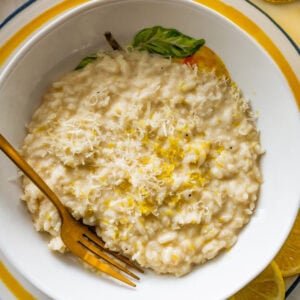
Lemon Risotto

Creamy Risotto Alla Milanese (Saffron Risotto)
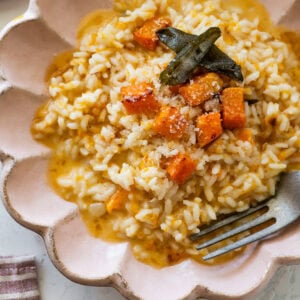
Roasted Butternut Squash Risotto (Authentic Italian)

Asparagus Risotto

Creamy Mushroom Risotto
FAQs
No. Orzo is a small, short pasta made from wheat flour or whole grain flour. Traditional risotto is a rice dish made by slowly cooking the rice in stock and gradually adding more until it forms a thick, creamy sauce.
No, they are not the same thing. Orzo is a small pasta (ingredient), and risotto is a dish made from rice slowly absorbing liquid. You could try to make risotto with orzo but it would be a different process. If you cooked orzo as slowly and as long as arborio rice it would probably fall apart and become mushy.
No. Orzo is pasta made from wheat, even though its small shape resembles rice.
Risotto is not a type of rice. It is an Italian dish made using starchy rice varieties such as Arborio, Carnaroli, or Vialone Nano.











I was wondering if you can substitute the Spanish Bomba rice for the Arborio when making Risotto.
Yes! You can do that!