Difference Between Italian Parsley vs. Curly Parsley

This post may contain affiliate links. Please read our disclosure policy.

Parsley is a common herb used in cooking to add freshness to various dishes or as a garnish. But there are two types: Italian parsley, also known as flat-leaf parsley, and curly parsley. What’s the difference between Italian parsley and curly parsley? This simple guide will explain the differences and give you all you need to know about cooking with and storing both types of parsley!
Looking for recipes that use up a lot of fresh parsley? Check out these delicious recipes for grilled tri-tip steak with chimichurri and Italian salsa verde.
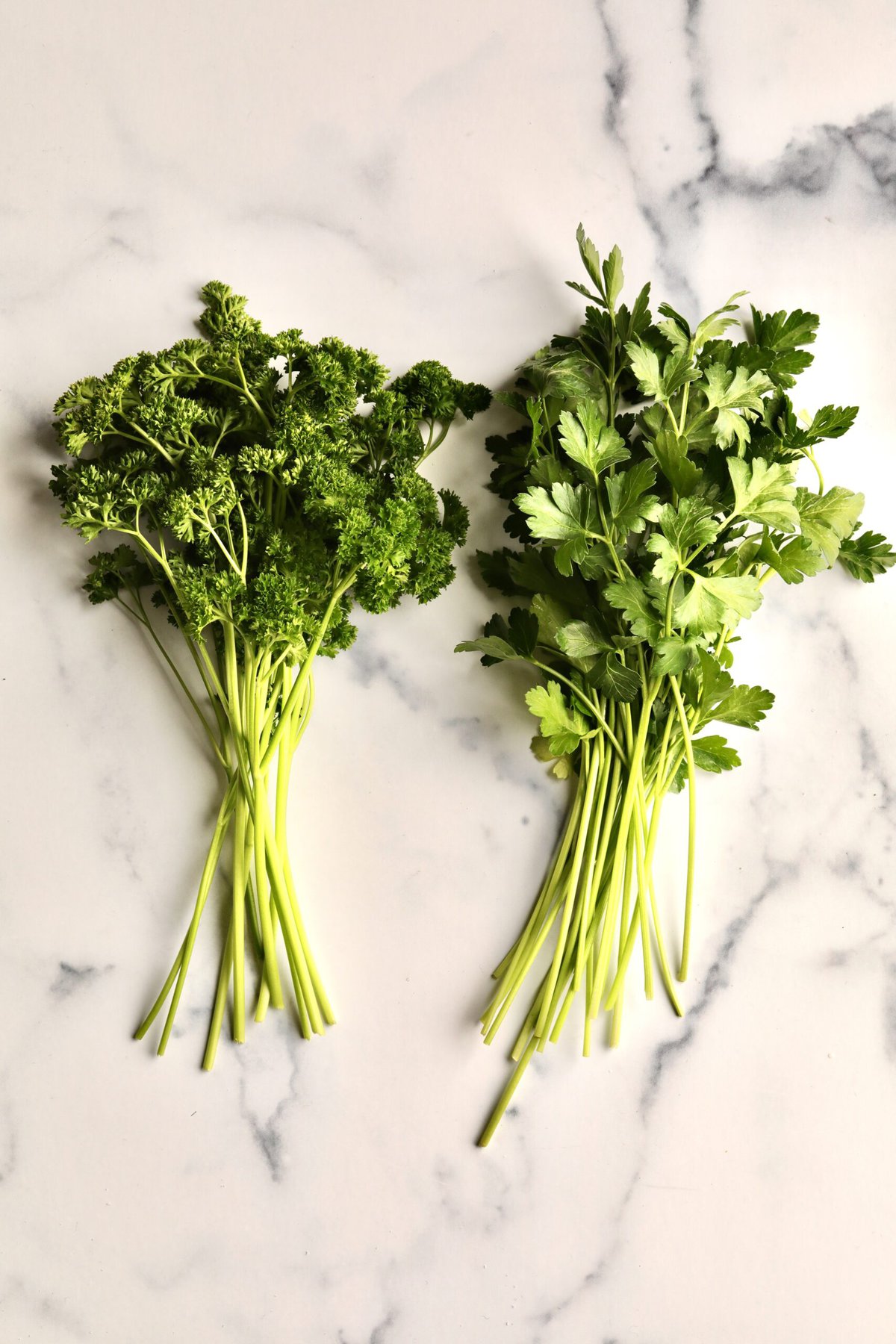
Table of Contents
3 Key Differences Between Curly Parsley and Italian Parsley
Although curly and Italian parsley belongs to the same plant family, Umbelliferae, these leafy herbs have different textures, colors, and flavors. Here are 3 key differences between curly parsley vs Italian (flat-leaf) parsley:
- Appearance: They look different! Italian (flat-leaf) parsley has broad, flat leaves, whereas curly parsley has thicker and curly leaves.
- Taste and Texture: Italian parsley has a smoother texture and stronger flavor than curly parsley, which has a more muted flavor and a brighter, more vibrant color.
- Use: Italian parsley is more versatile and used as a building block to flavor many dishes and garnish.
When to Use Italian & Curly Parsley
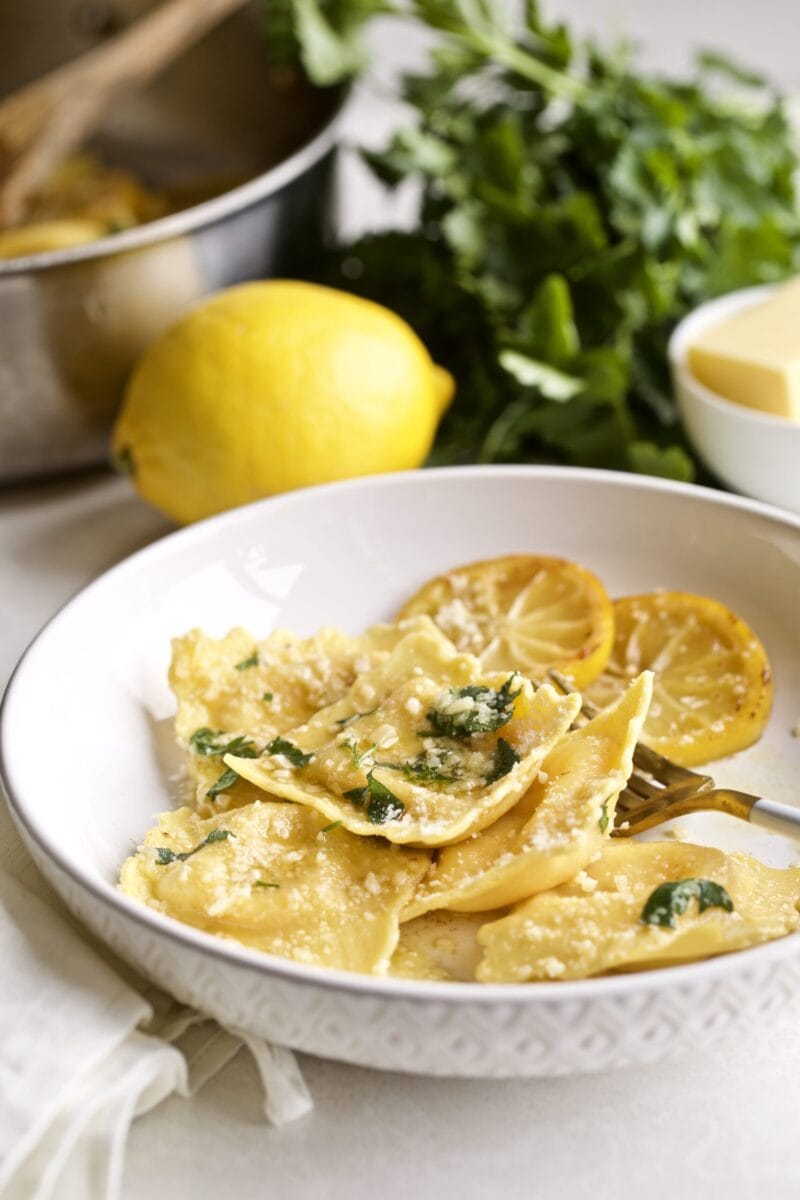
- Use Italian parsley to add flavor to dishes. Its fresh, slightly bitter, slightly peppery flavor will make your dishes sing! It’s traditionally used in a variety of Italian recipes, such as these unforgettable Steamed Mussels and Clams (with Wine and Garlic). Or try it in pasta dishes like this Shrimp Scampi Pasta and the Lobster Ravioli with Lemon Brown Butter.
- Use curly parsley as a garnish since it has a less intense flavor. It is also more aesthetically pleasing with its bright color and interesting leaves. Use parsley as a garnish in recipes like Fried Butterfly Shrimp or Crispy Baked Cod with Panko to add that perfect final touch.
How to Cook with Parsley
- Want to add fresh parsley to a recipe? Simply rinse under cold water and pat dry with paper towels, then remove the leaves from the stems and roughly chop.
- Parsley complements many other herbs, spices, and flavors; it is versatile and can be used in various dishes, from salads to soups. Experiment and add it to your favorite dishes.
- Bouquet Garni: It can also be found in French cuisine in any given bouquet garni.
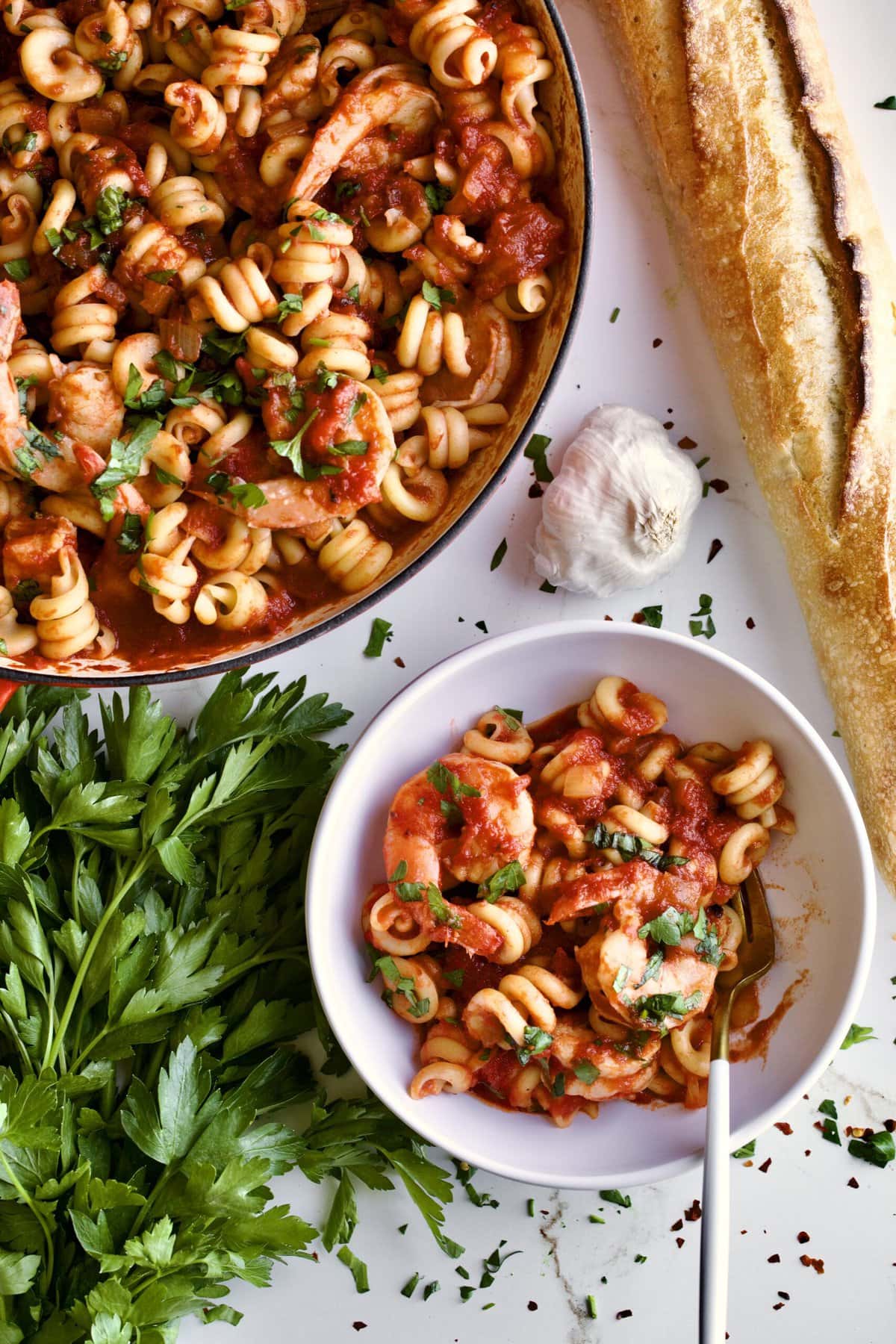
- Garnishing: Add the parsley at the end, as the delicate leaves will lose their visual appeal if overcooked. It tastes great in dishes like Trottole Pasta with Tomato Sauce and Shrimp.
When to Use Fresh Parsley or Dried Parsley?
The answer is it depends! I recommend using fresh parsley for your dishes; however, if you only have dried parsley, remember that dried herbs are usually more potent than fresh herbs.
Use one-third the amount of dried herbs in place of fresh. However, do not expect the same robust flavor or color when using dried parsley.
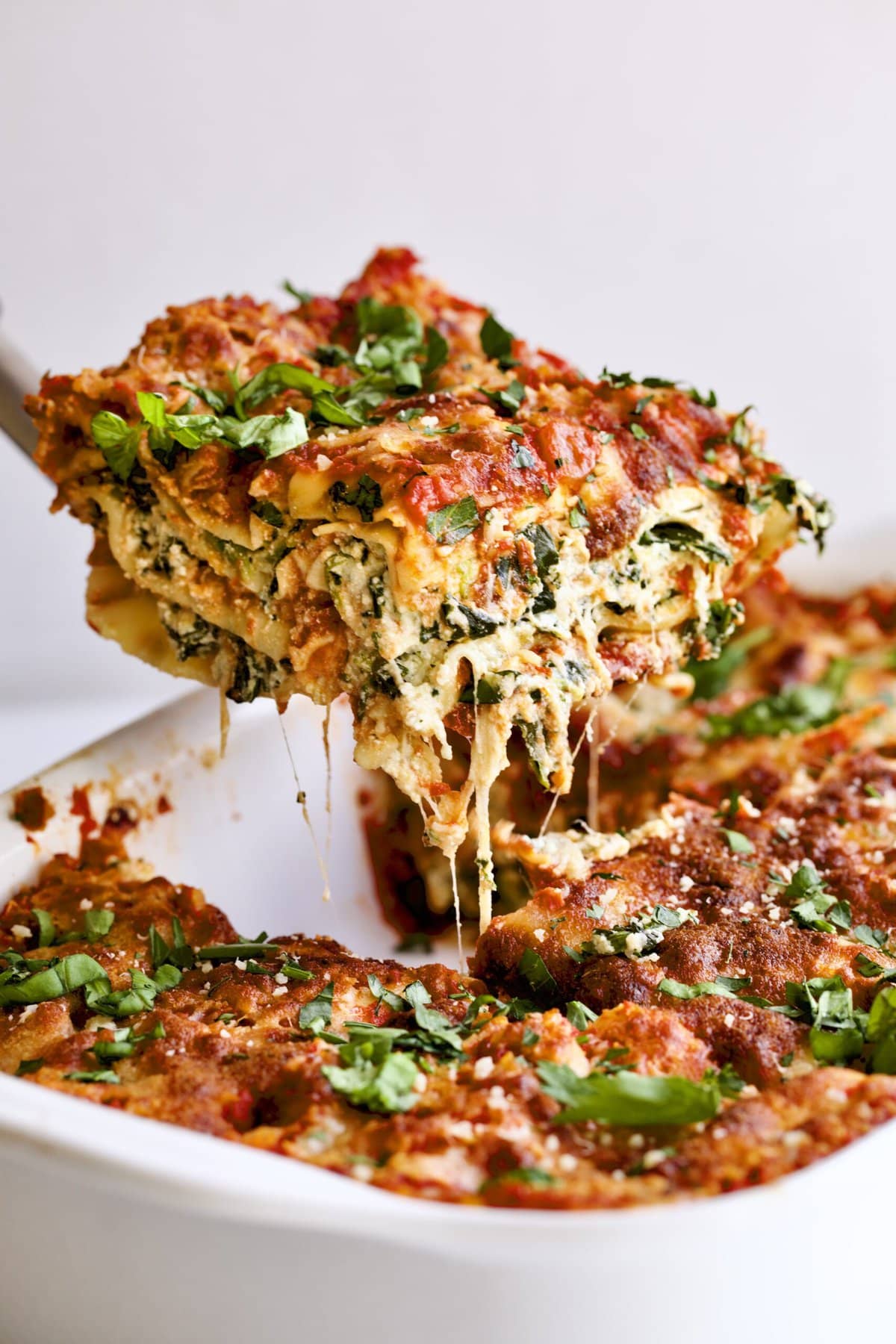
If you only have dried parsley on hand, you can still make many delicious dishes like our Spinach and Ricotta Lasagna!
Difference Between Italian Parsley vs. Curly Parsley FAQs
Most of us think of Italian (flat-leaf) parsley when we think of parsley with a clean, slightly peppery taste. In contrast, curly parsley tastes similar, but the flavor is much more muted.
Italian (or flat-leaf) parsley is known for its more robust flavor, and is the better option for cooking. Curly parsley has a fainter flavor and does better as a fresh garnish.
If your recipe requires parsley to be more than just a finishing touch, Italian (or flat-leaf) parsley has a more potent flavor and would be the preferred choice in cooking. Try it with my Salmon Piccata with Lemon Butter Caper Sauce.
No, parsley and cilantro are not the same, and the two are not interchangeable in cooking. The two may look similar, but have completely different flavors. Cilantro has a more citrusy (or even soapy!) flavor, whereas parsley is described as having a more subtle, slightly bitter, and peppery taste.
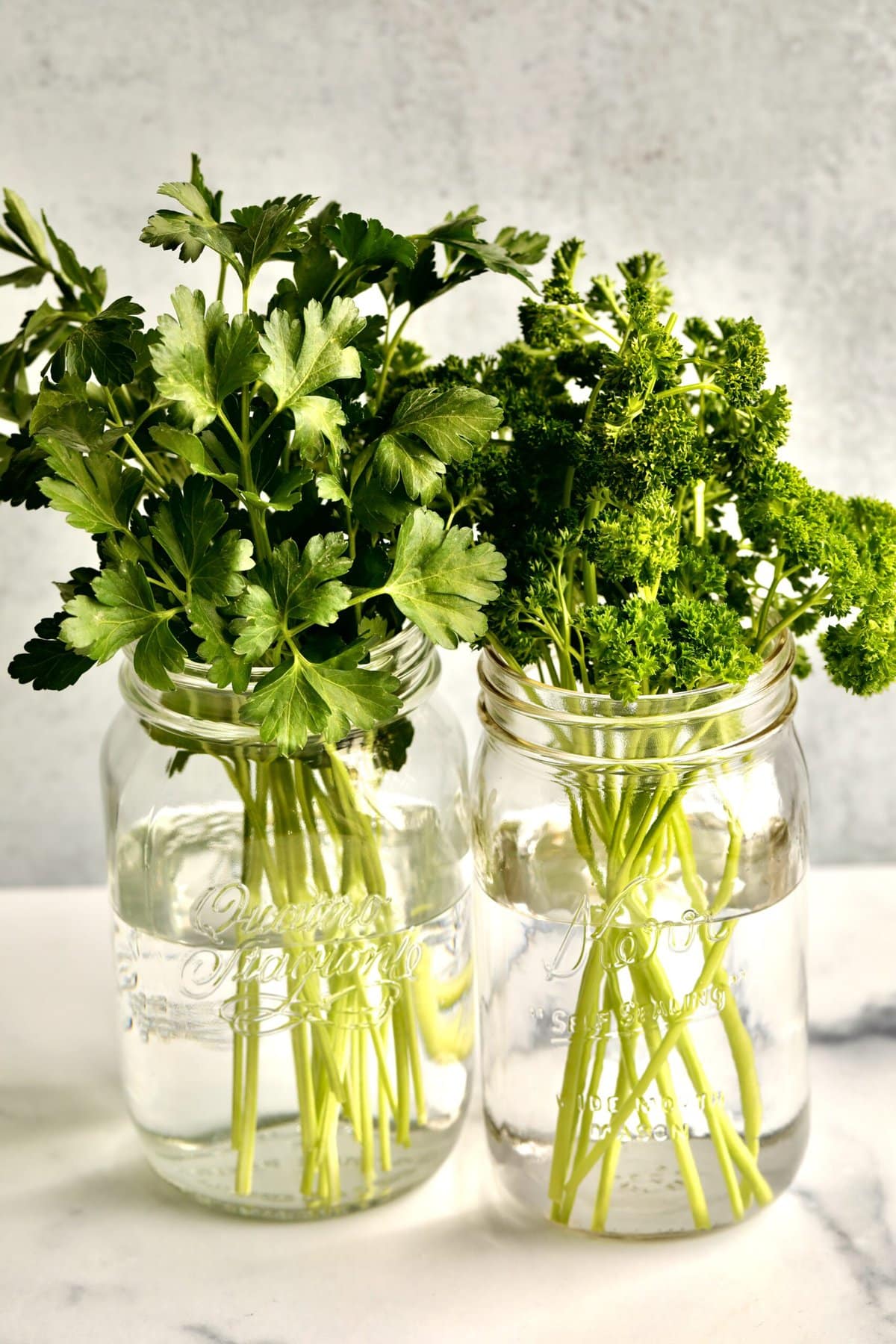
Parsley can easily be stored in the refrigerator or frozen. If you keep parsley in the fridge, place it in a plastic bag with a damp paper towel in the refrigerator. Alternatively, you can trim the stems and keep them upright in a jar, glass, or container with some water.
You can also freeze fresh parsley for up to 3-6 months to use in sauces, soups, or stews.
Serving Italian & Curly Parsley
Looking for some delicious ways to use parsley in cooking? Try some of my traditional Italian recipes, such as Classic Italian Gremolata, Seared Chilean Sea Bass with Herb Sauce, Italian Sausage Meatballs, or Italian Braciole (Stuffed Beef with Sauce).
Use curly parsley as a garnish in dishes like Italian Seafood Salad Appetizer (Insalata di Mare), Seafood Pasta with Red Sauce, or Oven Baked Salmon Steaks.

My Pro Tips
Expert Tips
- Does your recipe call for parsley? Don’t skip it! This herb is one of those cooking staples that doesn’t give the dish its defining flavor, but it noticeable if it’s missing.
- Use these two parsley varieties in different ways to maximize their flavor. Italian parsley is a compliment to other flavors in the dish, while curly parsley adds a pop of freshness and color when used as a garnish.
- Fresh parsley is available at grocery stores year-round. When shopping for parsley, choose bright green leaves free from yellowing, and avoid bunches that are wilted or soggy.