Ricotta Gnudi

This post may contain affiliate links. Please read our disclosure policy.

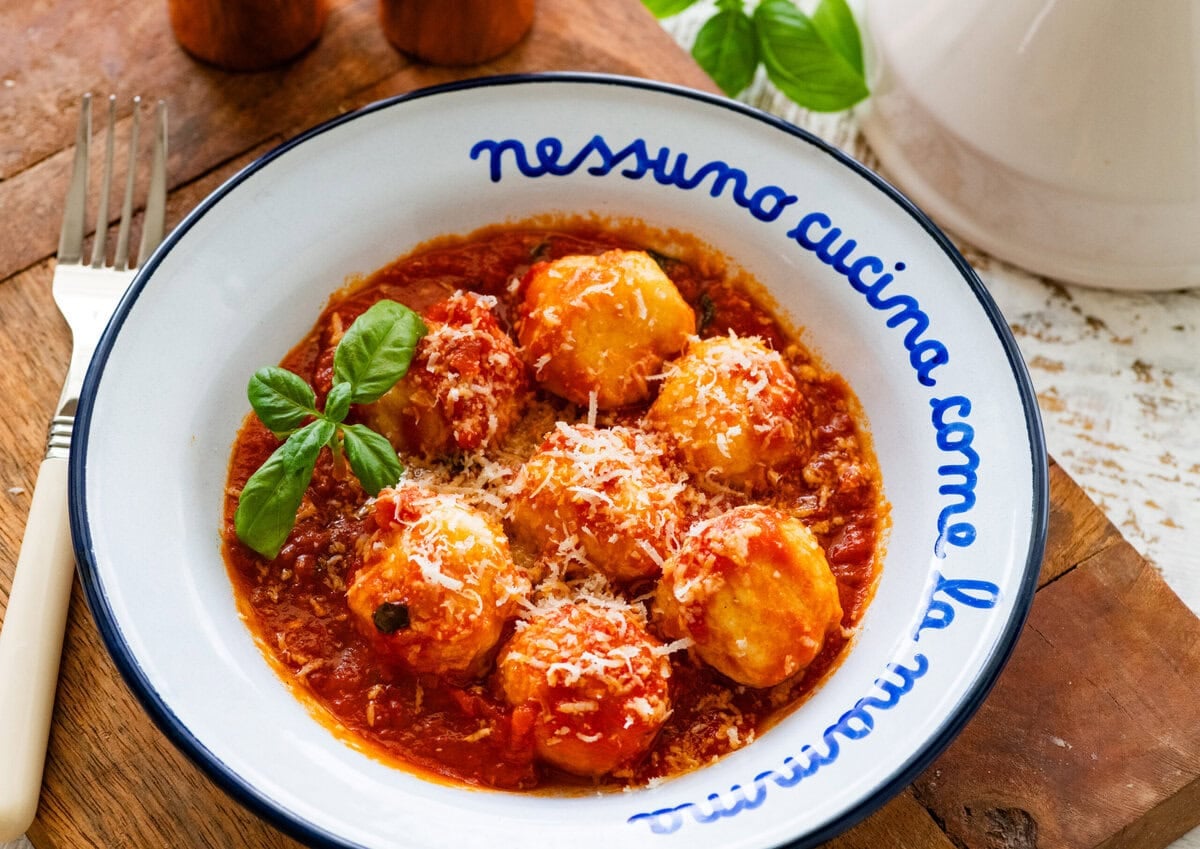
These are the dumplings Italians make when we want something even softer than gnocchi. Ricotta Gnudi are light, delicate, and melt in your mouth with almost no effort. Once you try them, you’ll want to make them time and time again.
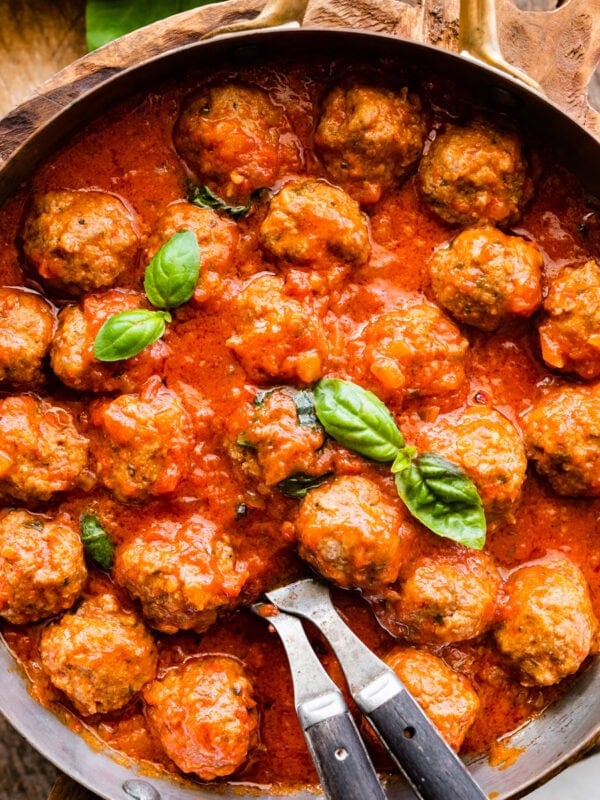
If you love this recipe, you should try my Ricotta Meatballs in Tomato Sauce or Potato Gnocchi Recipe.

Quick Look: Gnudi
- Prep Time: 20 minutes
- Cook Time: 10 minutes
- Total Time: 30 minutes
- Servings: 4
- Dietary Info: Vegetarian, can be made gluten-free
- Method: Boiled
- Technique: Gentle mixing + delicate shaping
- Flavor/Texture: Light, pillowy, melt-in-your-mouth
Why You’ll Love This Family Favorite!

This is one of those recipes that feels like a secret from an Italian kitchen. Growing up, dishes like this weren’t about perfection – they were about texture, feel, and trusting your hands.
Gnudi means “naked,” because they are essentially ravioli filling without the pasta. When made right, they are impossibly soft, almost like little clouds. Treat them gently, and they will reward you with one of the most elegant and comforting dishes you can make at home.
Try my How to Make Homemade Ravioli- Italian Recipe and Gnocchi Alla Sorrentina (Baked Gnocchi).
Made With Amore,

Table of Contents
Simple Ingredients
Simple ingredients come together to create soft, pillowy ricotta gnudi that melt in your mouth with every bite.
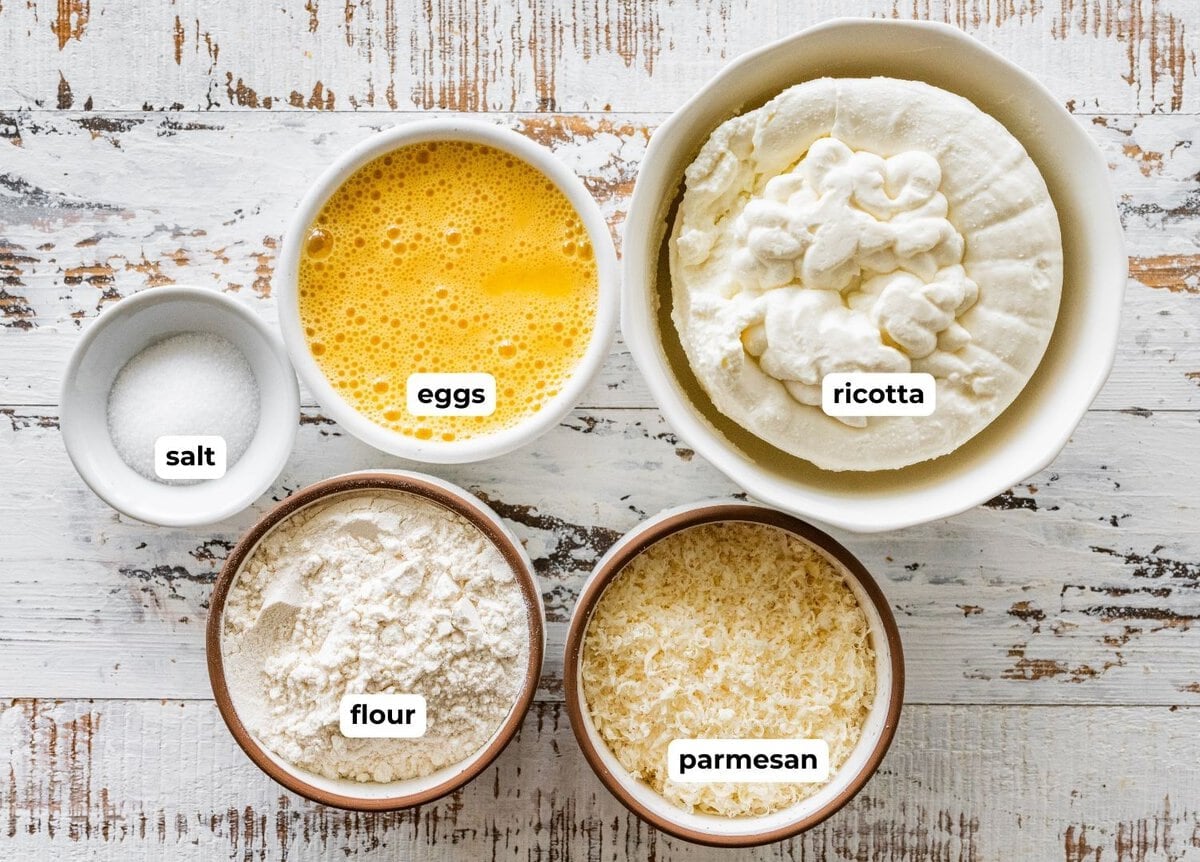
- Whole Milk Ricotta And Parmesan Cheese: Create the rich, creamy, and savory base with a light, fluffy texture and nutty depth of flavor
- Eggs: Bind everything together while helping the gnudi stay soft and tender
- Flour: Gives the gnudi structure while keeping them light and delicate
- Salt: Enhances and balances all the flavors in the dough
- Sauces to Pair With Gnudi: Brown butter sage sauce, simple tomato sauce, or light cream sauces pair beautifully with their delicate texture
See recipe card for full information on ingredients and quantities.
Variations & Substitutions
- Tuscan Variation: Add finely chopped spinach for a classic Tuscan-style ricotta gnudi. Try my Spinach Lasagna and Spinach Manicotti Recipe with Ricotta.
- Cheese Swap: Use Pecorino Romano instead of Parmesan for a sharper, saltier flavor
- Gluten-Free Option: Substitute with gluten-free flour, adding it gradually to achieve the right texture
- Fresh Flavor Boost: Add lemon zest or fresh herbs like basil, parsley, or chives for a brighter finish. Serve with my Tuscan Roasted Broccoli Recipe!
How to Make Ricotta Gnudi
Soft, pillowy ricotta gnudi coated in your favorite sauce create the ultimate cozy Italian comfort food. Follow the step-by step photos and see the recipe card at the bottom for a printable version.
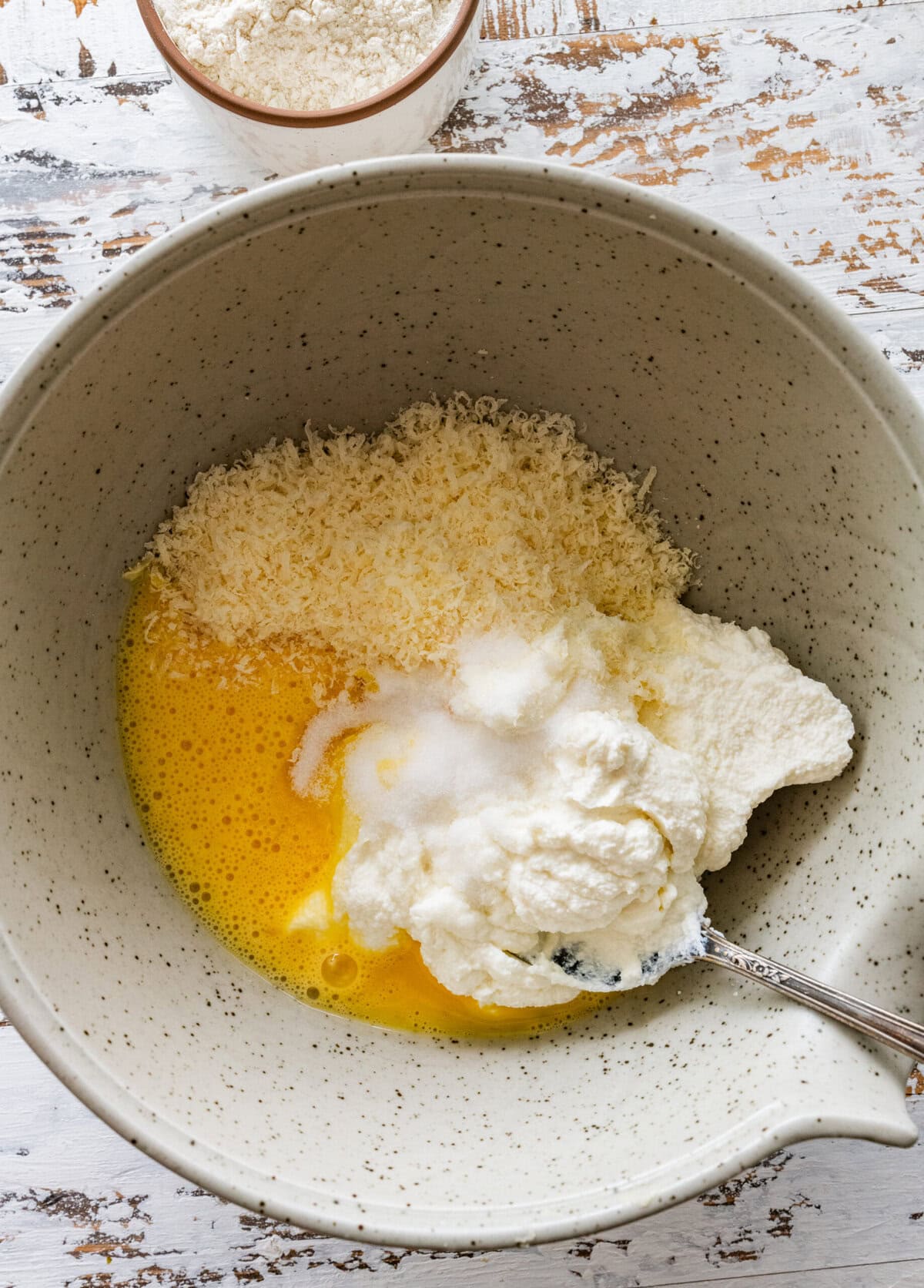
- Spread ricotta in an even layer on a large plate. Gently pat with clean paper towels to remove excess moisture. Repeat with fresh towels until the ricotta feels drier and slightly firm. In a large bowl, combine drained ricotta, Parmesan, eggs, and salt. Mix gently until smooth.
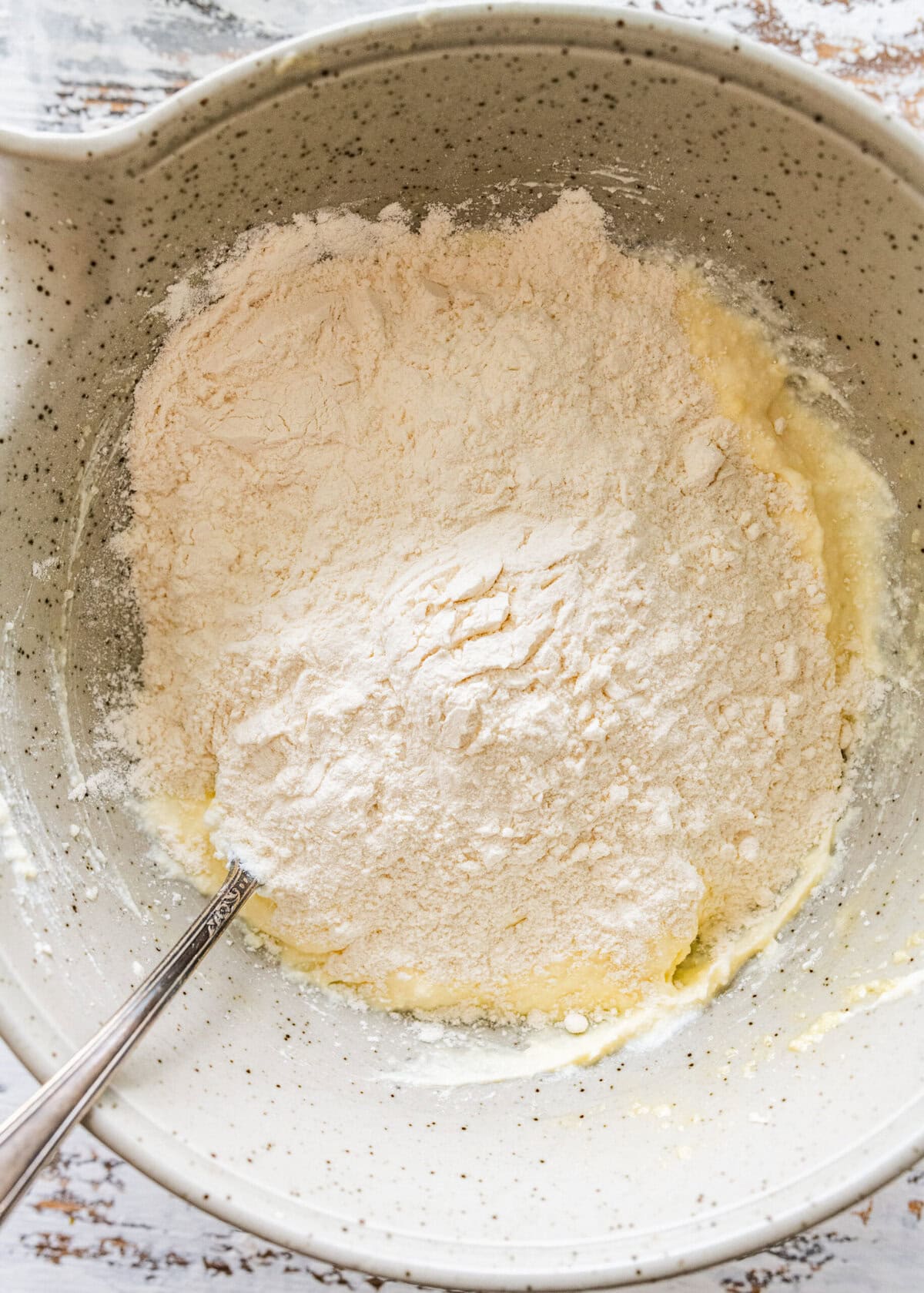
- Add flour and fold just until combined.
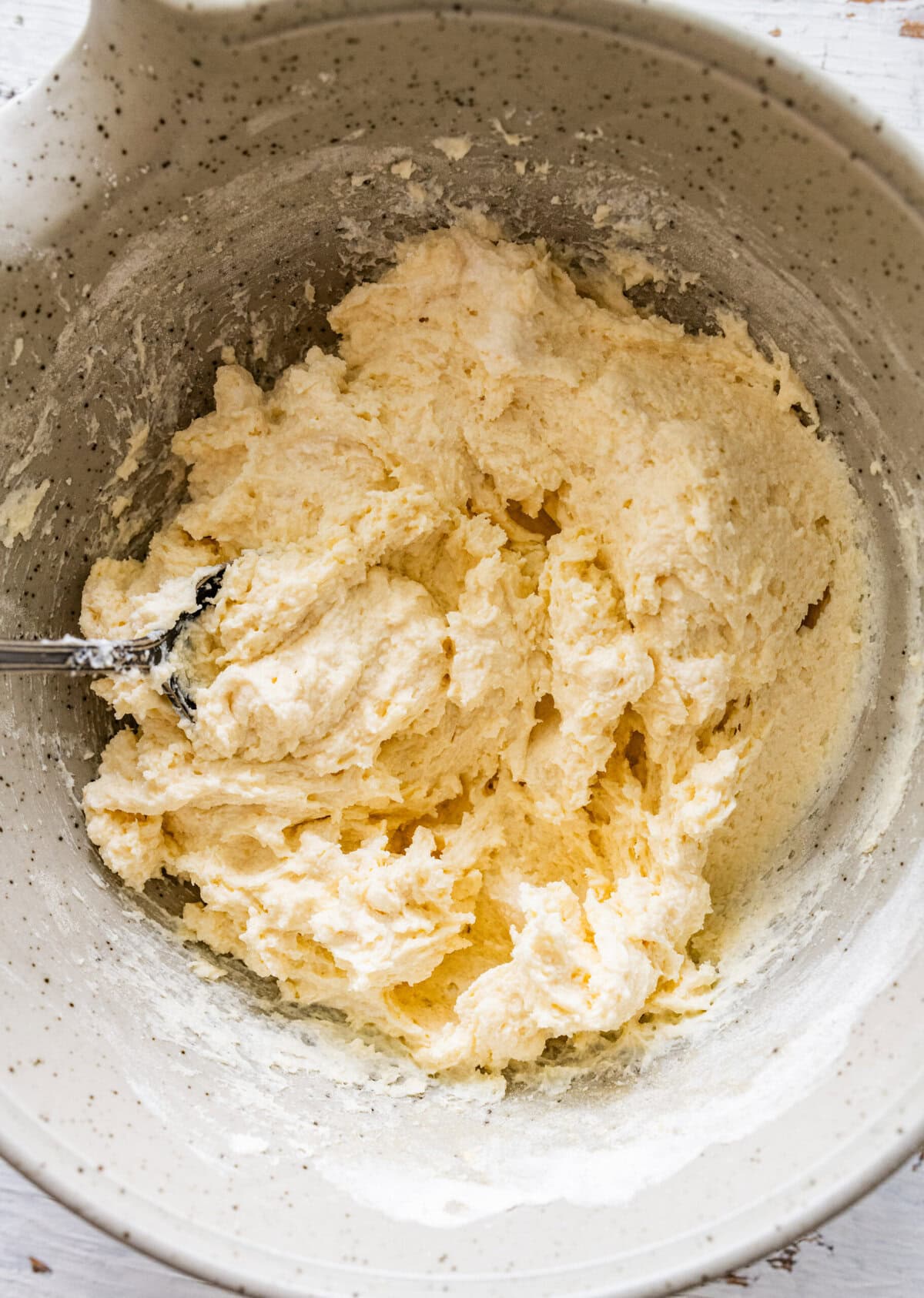
- The dough should be soft, slightly sticky, but hold its shape.
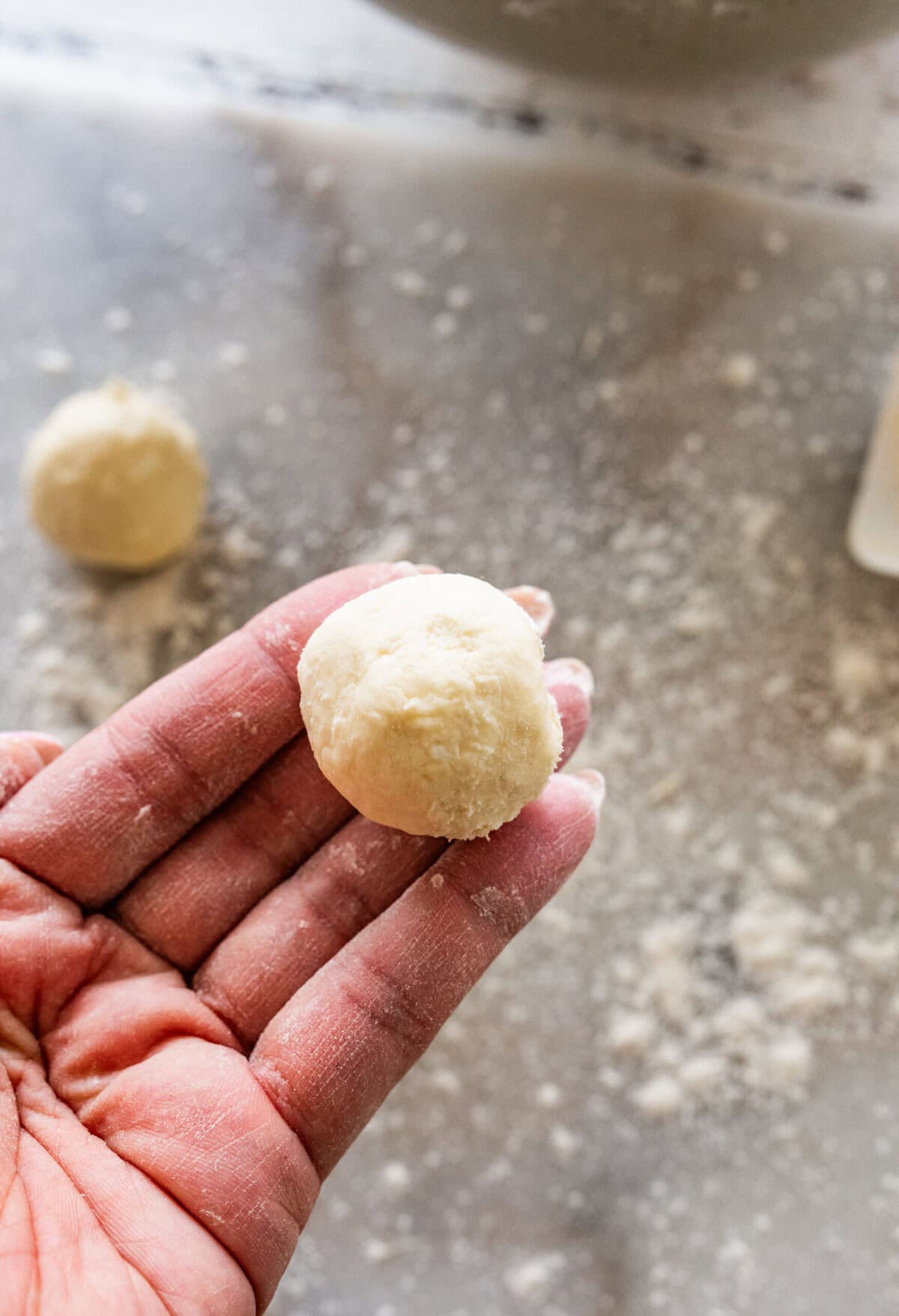
- Lightly flour your hands and work surface. Scoop about 1 tablespoon of dough and gently roll into small balls or oval shapes.
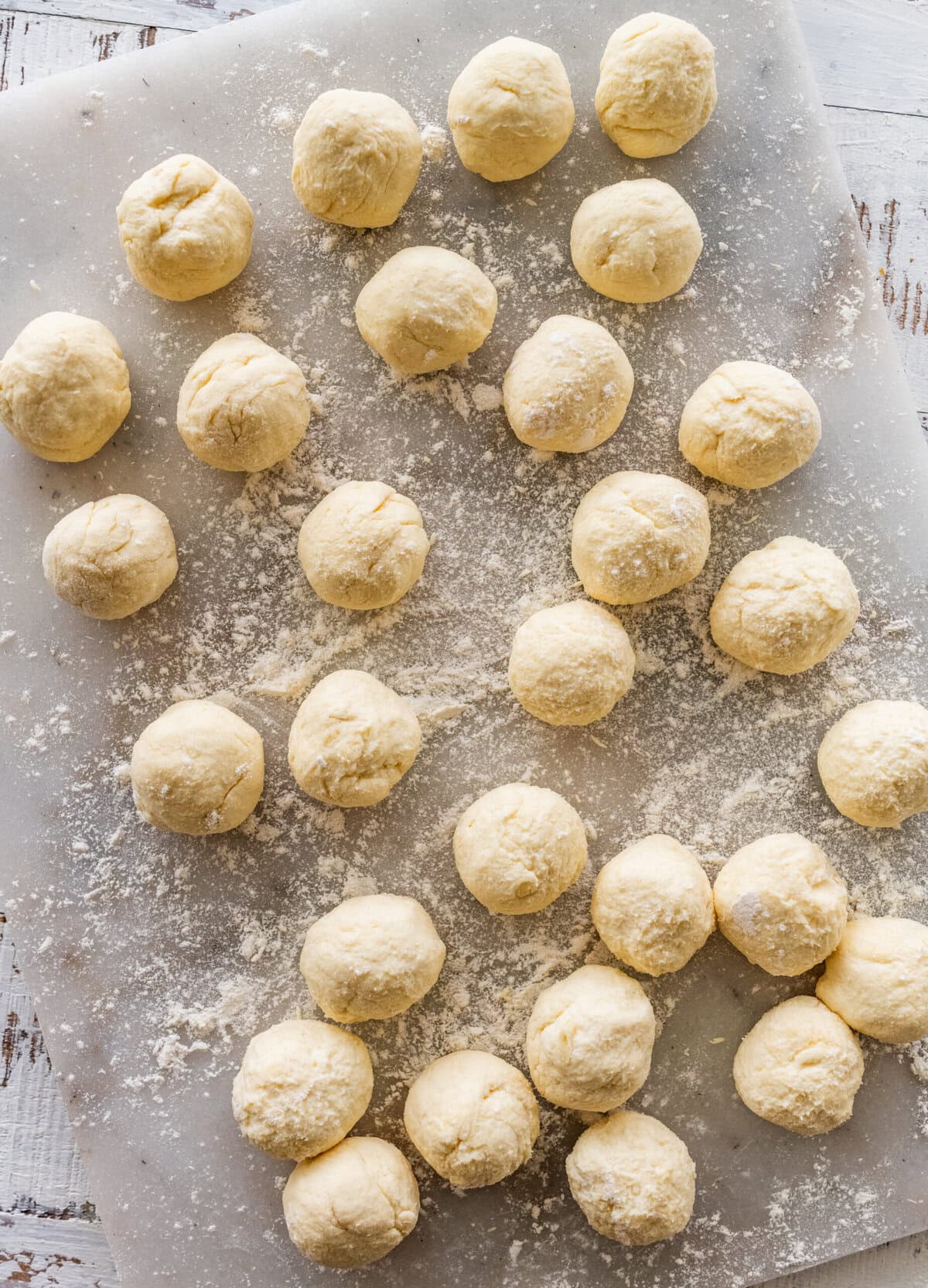
- Place on a floured tray. Let gnudi sit uncovered for 15–20 minutes. This helps them firm up slightly and hold their shape when cooking.
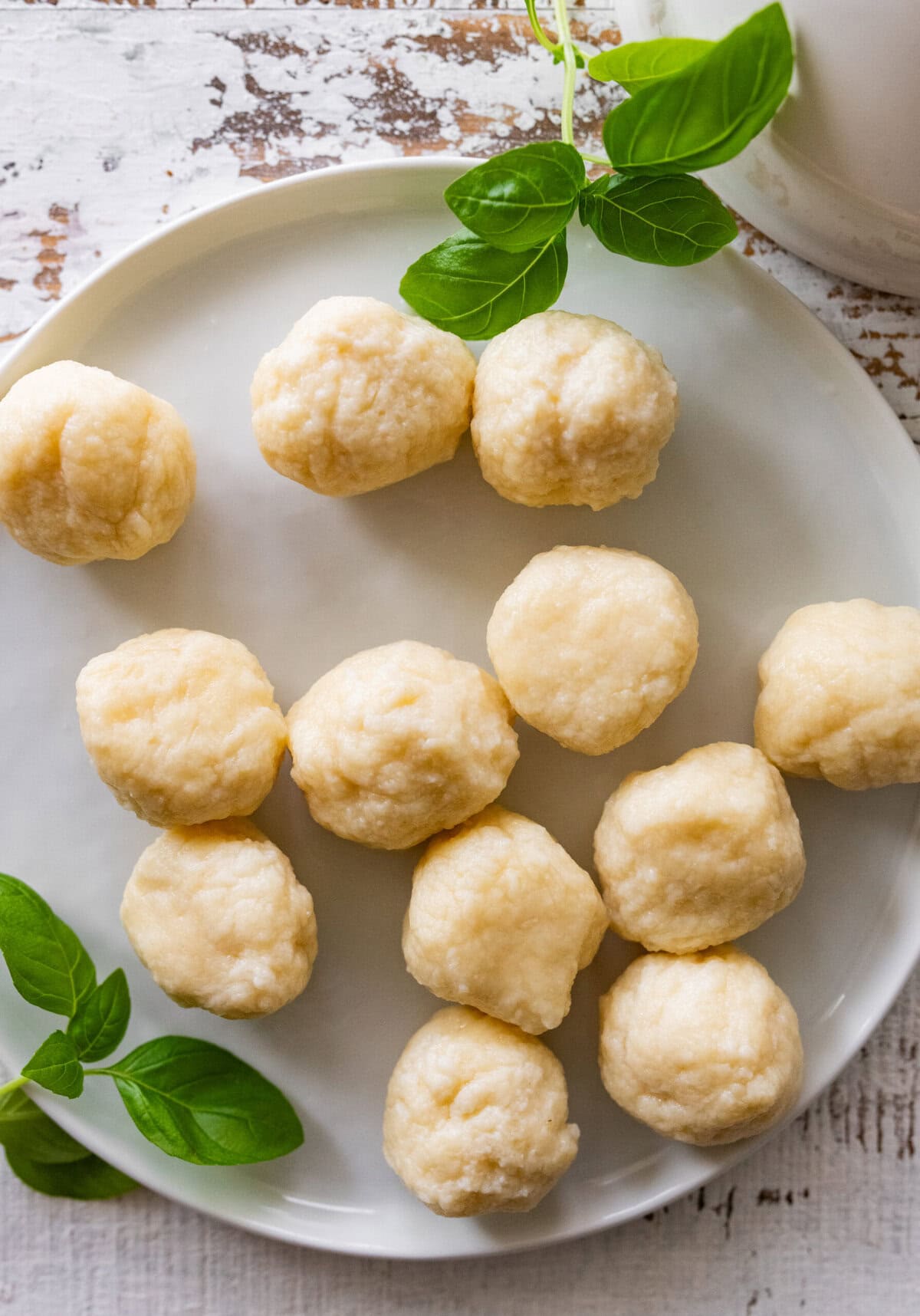
- Bring a large pot of salted water to a gentle simmer (not a rolling boil). Carefully add gnudi. Cook until they float, about 3–4 minutes. Use a slotted spoon to transfer gnudi directly to your sauce. Toss gently in your sauce of choice. Finish with extra Parmesan and serve immediately.
Ricotta Gnudi FAQs
If you have leftovers, reheat gently in sauce on the stove. Store uncooked gnudi in the fridge up to 24 hours. For longer storage, freeze on a tray, then transfer to a bag for up to 2 months. Cook straight from frozen, adding 1–2 minutes.
Think of gnudi as “naked ravioli” – just the filling, no pasta. They come from Tuscany and are traditionally made with ricotta and greens. This version keeps it simple and classic.
Gnudi are the filling only, without pasta dough.
Most likely too much moisture in the ricotta or boiling water too strong.
Serving Suggestions
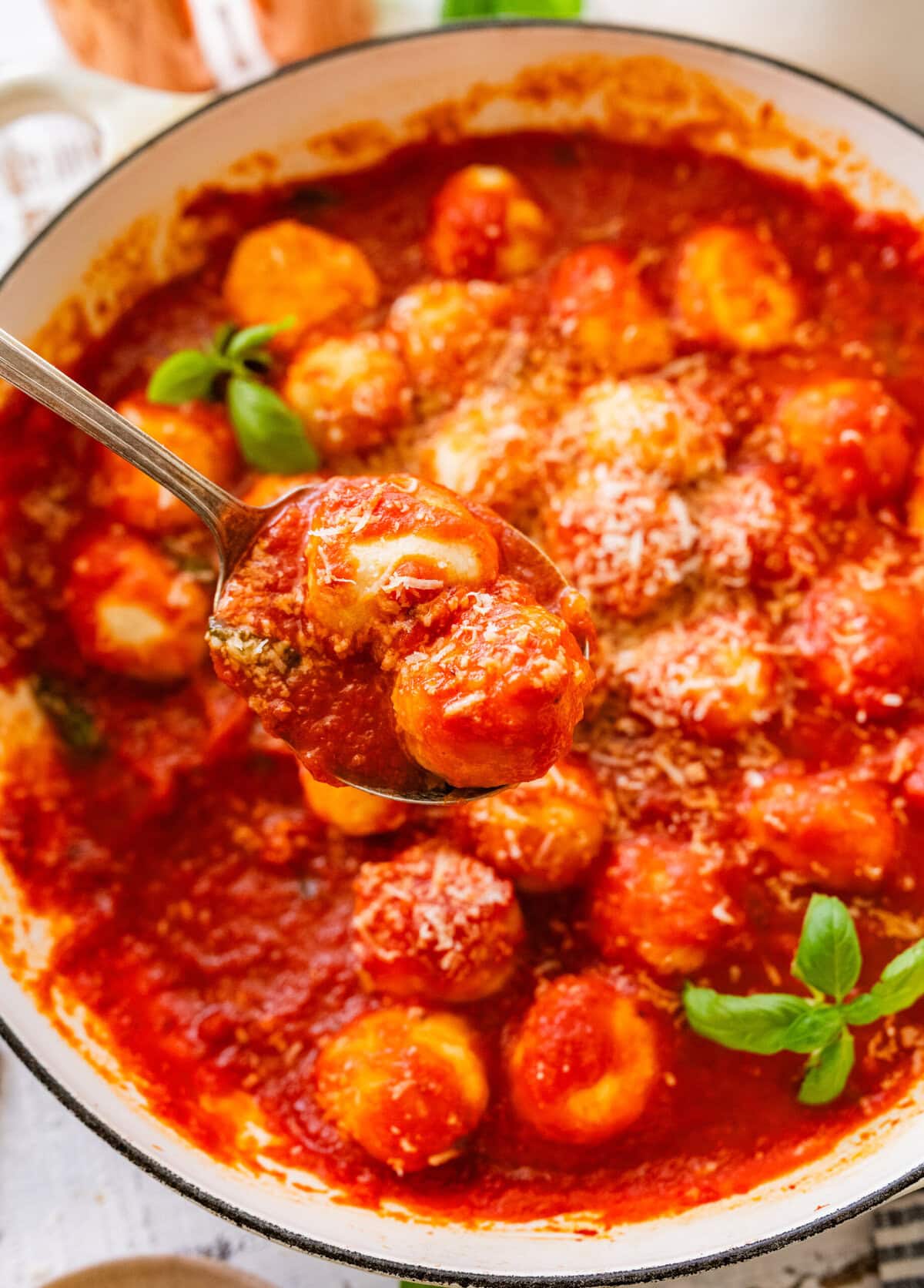
These ricotta gnudi are best served with simple, flavorful sauces that let their delicate texture shine. I love pairing them with Alfredo for a rich, indulgent finish, or Sage Brown Butter Sauce for a classic, nutty Italian touch. For something lighter, try BEST Italian Tomato Sauce Recipe (Sugo Al Pomodoro), Pesto Genovese, or Roasted Red Pepper Sauce to add freshness and balance, while a silky Pink Sauce brings the perfect blend of creamy and tangy flavors.
My Pro Tips
Recipe Tips
- Dry ricotta well – this is everything. The drier the ricotta, the lighter and more stable your gnudi will be. If it feels wet, keep patting or draining.
- Mix gently. Overworking the dough makes them dense instead of soft and pillowy.
- Use just enough flour. Add only what you need for the dough to hold together. Too much flour = heavy gnudi.
- Test one first. Drop a single gnudi into simmering water. If it falls apart, mix in 1–2 tablespoons more flour and try again.
- Flour lightly, not heavily. Just enough so they don’t stick. Too much flour on the outside changes the texture.
More Authentic Italian Recipes You’ll Love

💙 MADE THIS RECIPE AND LOVED IT? 💙 Please leave a ⭐️STAR rating and COMMENT below- I love connecting with you! Tag me with your creations on Instagram and find me on Pinterest.
Ricotta Gnudi
Ingredients
- 1 16-ounce container whole milk ricotta cheese, excess moisture removed (I love Belgioioso)
- 1 cup Parmigiano cheese, freshly grated, more for serving
- 2 large eggs, beaten
- 1 cup all-purpose flour, I like Italian 00 flour, plus more for dusting
- 1 teaspoon salt
Instructions
- Dry the ricotta (quick method): Spread ricotta in an even layer on a large plate. Gently pat with clean paper towels to remove excess moisture. Repeat with fresh towels until the ricotta feels drier and slightly firm.
- Make the dough: In a large bowl, combine drained ricotta, Parmesan, eggs, and salt. Mix gently until smooth. Add flour and fold just until combined. The dough should be soft, slightly sticky, but hold its shape.
- Shape the gnudi: Lightly flour your hands and work surface. Scoop about 1 tablespoon of dough and gently roll into small balls or oval shapes. Place on a floured tray.
- Rest (optional but recommended): Let gnudi sit uncovered for 15–20 minutes. This helps them firm up slightly and hold their shape when cooking.
- Cook the gnudi: Bring a large pot of salted water to a gentle simmer (not a rolling boil). Carefully add gnudi. Cook until they float, about 3–4 minutes.
- Remove gently: Use a slotted spoon to transfer gnudi directly to your sauce. They are delicate, so handle with care.
- Finish and serve: Toss gently in your sauce of choice (see notes for suggestions). Finish with extra Parmesan and serve immediately.
Notes
- Dry ricotta well – this is everything. The drier the ricotta, the lighter and more stable your gnudi will be. If it feels wet, keep patting or draining.
- Mix gently. Overworking the dough makes them dense instead of soft and pillowy.
- Use just enough flour. Add only what you need for the dough to hold together. Too much flour = heavy gnudi.
- Test one first. Drop a single gnudi into simmering water. If it falls apart, mix in 1–2 tablespoons more flour and try again.
- Flour lightly, not heavily. Just enough so they don’t stick. Too much flour on the outside changes the texture.
Nutrition
Nutrition information is automatically calculated, so should only be used as an approximation.





What kind of magic did I just make and eat!? Wow, melt in your mouth perfection that causes an out of body experience and makes you think you’re sitting somewhere on a terrace in Italy. WOW.
Outstanding !! These are the softest “Ricotta dumplings”, we truly loved them !!
Thank you so much! I’m thrilled you loved the ricotta gnudi! That soft, pillowy texture is exactly what makes these little ricotta dumplings so special. Thank you for making the recipe and sharing your review!
If you loved these, try my homemade Potato Gnocchi next for another cozy Italian favorite!
Thank you. I greatly appreciate this recipe. My daughter has been vegan for nearly three years and this will be something that I can cook for her to eat at my next dinner party in September. I plan to try this recipe soon and if its delicious I will serve it as an extra dish at the dinner party.
Thank you so much! Just a quick note: this ricotta gnocchetti recipe isn’t vegan because it contains ricotta cheese, Parmesan, and egg. I wouldn’t want you to make it for your daughter without realizing that! If you’re looking for something she can enjoy at your dinner party, try my Pasta e Ceci next—it’s a simple, delicious Italian dish that’s easy to make vegan. Enjoy!
These gnudi are so soft, and the ricotta and parmesan flavors really stand out!!!!
Yes! So happy you love these pillowy soft gnudi!