White Bolognese (Ragu Bianco Sauce)

This post may contain affiliate links. Please read our disclosure policy.
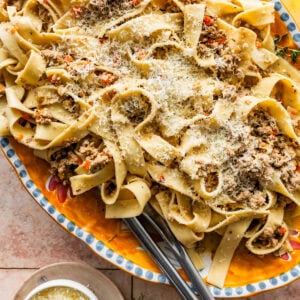
Meet your new favorite pasta sauce—an ultra-silky Italian White Bolognese (bolognese bianco or ragu bianco) slow-cooked with wine, milk, herbs, and tender meats. Italian comfort food at its finest. Slow cooker method included!
Try my White Chicken Lasagna, Italian Ragu Meat Sauce, and Classic Lasagna Bolognese.
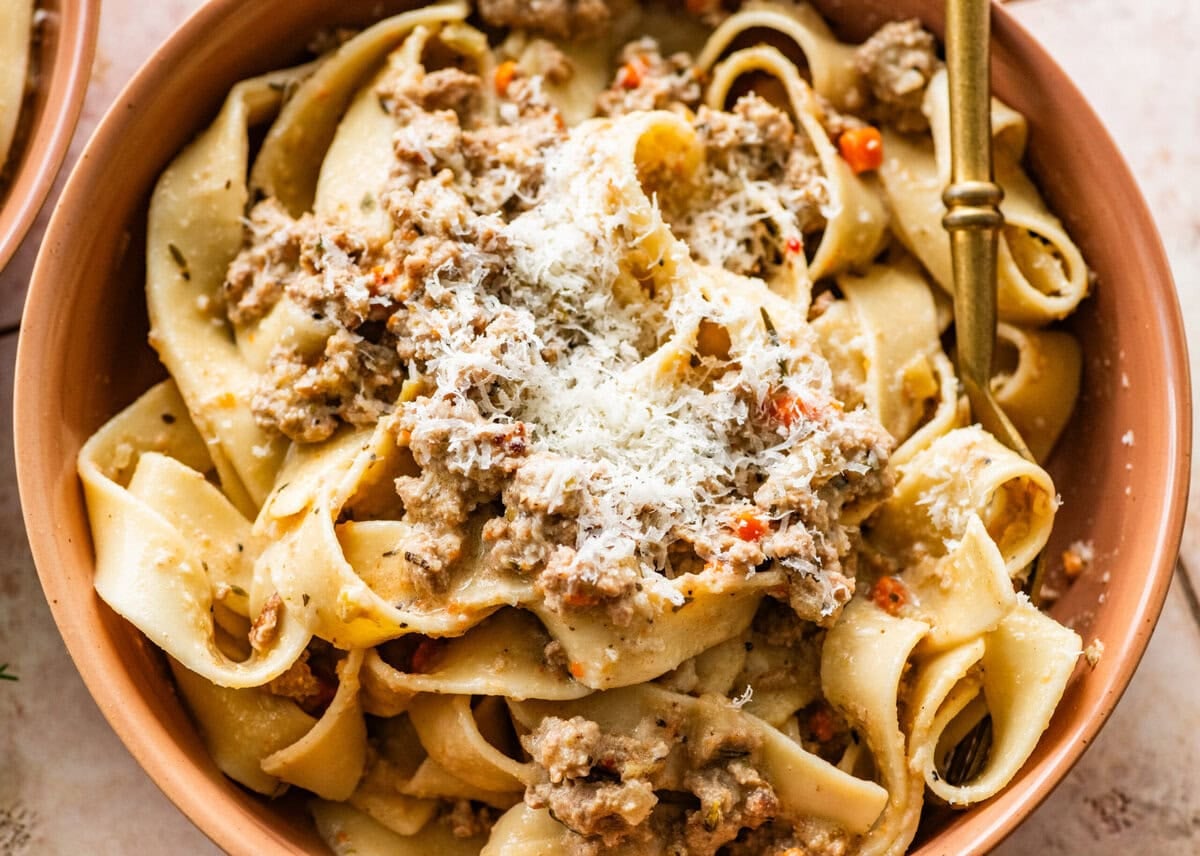

Quick Look at This Recipe
- Prep Time: 15 minutes
- Cook Time: 1.5–2 hours
- Total Time: ~2 hours
- Servings: 6
- Dietary Info: Naturally gluten-free sauce; pair with gluten-free pasta if needed
- Method: Slow-simmered ragù
- Technique: Classic soffritto, gentle browning, wine deglaze, milk reduction
- Flavor/Texture: Savory, velvety, elegant, intensely aromatic
Why you’ll love this family favorite!

This is the kind of ragù I grew up seeing in my nonna Laura’s cucina (kitchen)- quietly bubbling on the stove until it becomes rich, delicate, and comforting. Instead of tomatoes, the flavors come from the soffritto, good wine, broth, and milk that slowly melt into the meat. It’s understated and elegant, with the sauce clinging beautifully to wide ribbons of pasta.
It’s the recipe I reach for when I want something luxurious without being heavy, an authentic taste of la cucina Italiana. A great recipe for your next dinner party.
You’ll also love The Best Meatballs Ever! and Pesto Lasagna (Lasagna al Pesto).
Made With Amore,

Table of Contents
Ingredients for White Bolognese Sauce
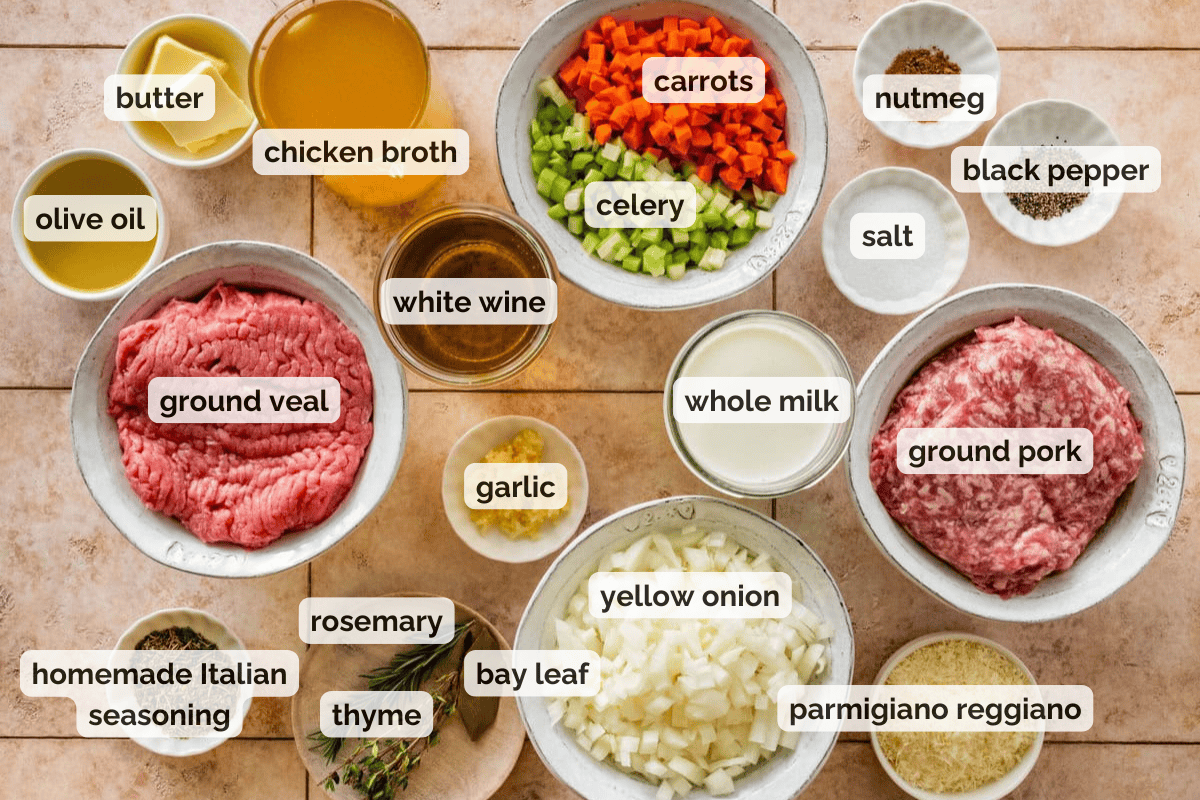
- Yellow onion, carrot, celery stalk — the classic Italian soffritto that builds sweetness and depth.
- Garlic — adds gentle warmth.
- Ground pork and Ground veal (or substitute ground beef or ground chicken). These two together give the traditional flavor and velvety texture.
- Extra-virgin olive oil + butter — layers of richness.
- Dry white wine — deglazes and adds acidity.
- Chicken broth or chicken stock— keeps the ragù tender and simmering.
- Whole milk — softens the meat proteins and creates the signature silky finish.
- Fresh herbs: rosemary or thyme — aromatic, classic, authentic.
- Bay leaf — deepens the savory notes.
- Nutmeg — a secret ingredient that adds a special warmth.
- Salt, black pepper, Italian seasoning — essentials for balance.
- Freshly grated Parmigiano Reggiano for serving.
- Pappardelle or tagliatelle pasta for serving.
See the recipe card for exact quantities.
Substitutions and Variations
- Meat swaps: Replace veal with chicken, Italian sausage, or turkey thigh for a lighter but still rich ragù. Add pancetta to up the flavor. Enjoy my Italian Turkey Meatballs.
- Creamier version: Add an extra splash of milk or a spoon of heavy cream at the end. You’ll love my Pasta Alla Norcina (Creamy Sausage Pasta).
- Herb variation: Swap rosemary for sage for a slightly woodier, more autumn-forward flavor. Add fennel for another authentic note! Try my pumpkin pasta sauce next time!
- Vegetable boost: Finely chop mushrooms into the soffritto to mimic veal richness. Try my Mushroom Ragu with Creamy Polenta.
- Gluten-free: Use gluten-free fettuccine or pappardelle.
How To Make White Bolognese
This is a step-by-step photo overview of this hearty sauce (bolognese bianco); the full instrcutions are in the recipe card below.
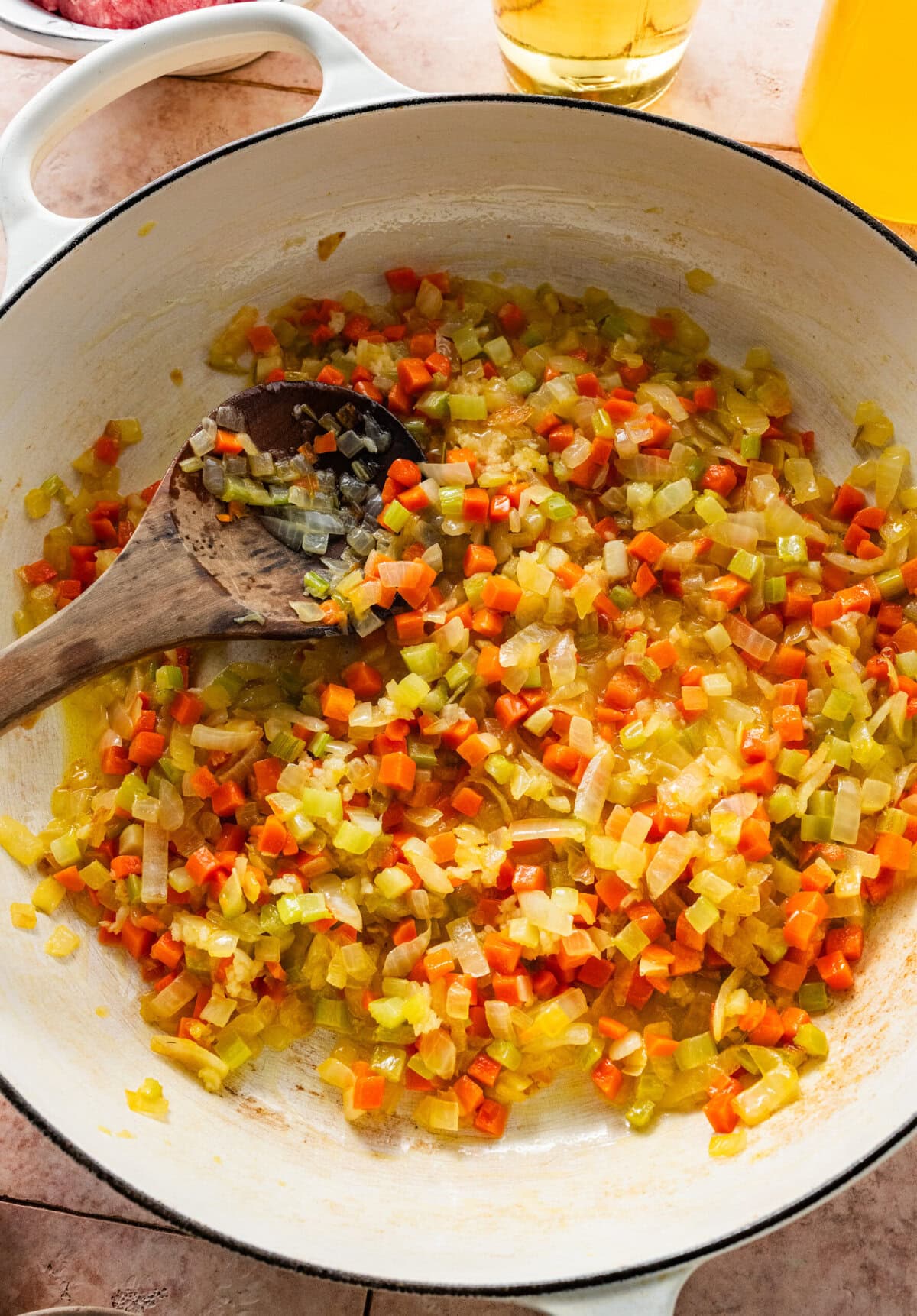
Step #1: Build the soffritto: In a large heavy pot (I use a Dutch oven), heat the olive oil and butter over medium heat. Add the onion, carrot, and celery. Cook 8–10 minutes until the vegetables are soft, sweet, and lightly golden—this slow step is the foundation of the sauce.
Add the garlic: Stir in the garlic and cook 1 minute until fragrant, without letting it brown.
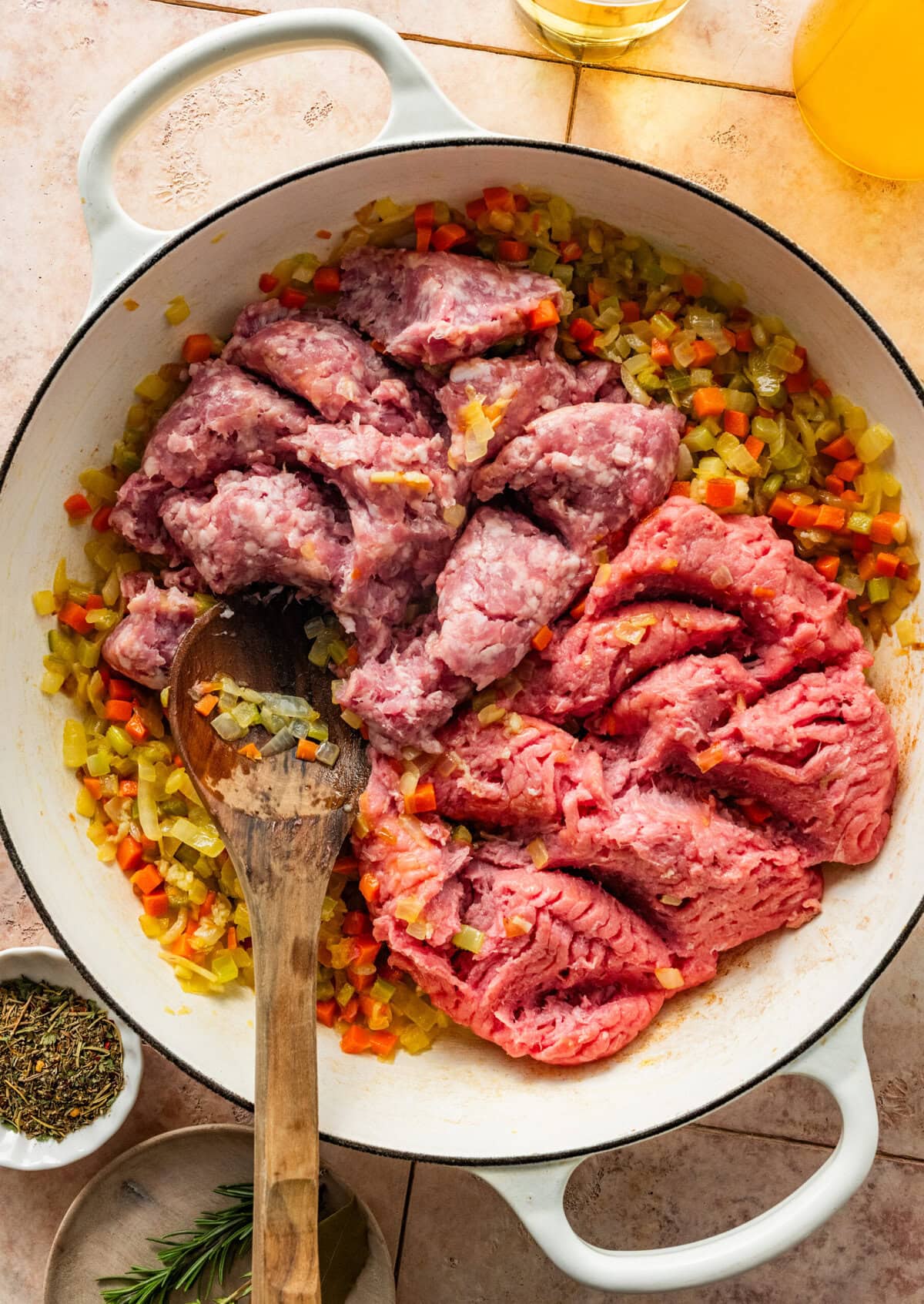
Step #2: Brown the meats: Add the ground pork and veal. Season with salt, pepper, nutmeg, and Italian herbs. Use a wooden spoon to break the meat into small pieces. Cook 10–12 minutes until the meat loses its raw color and begins to lightly brown. Tip: Let the meat sit undisturbed a few times so it caramelizes—this adds depth.
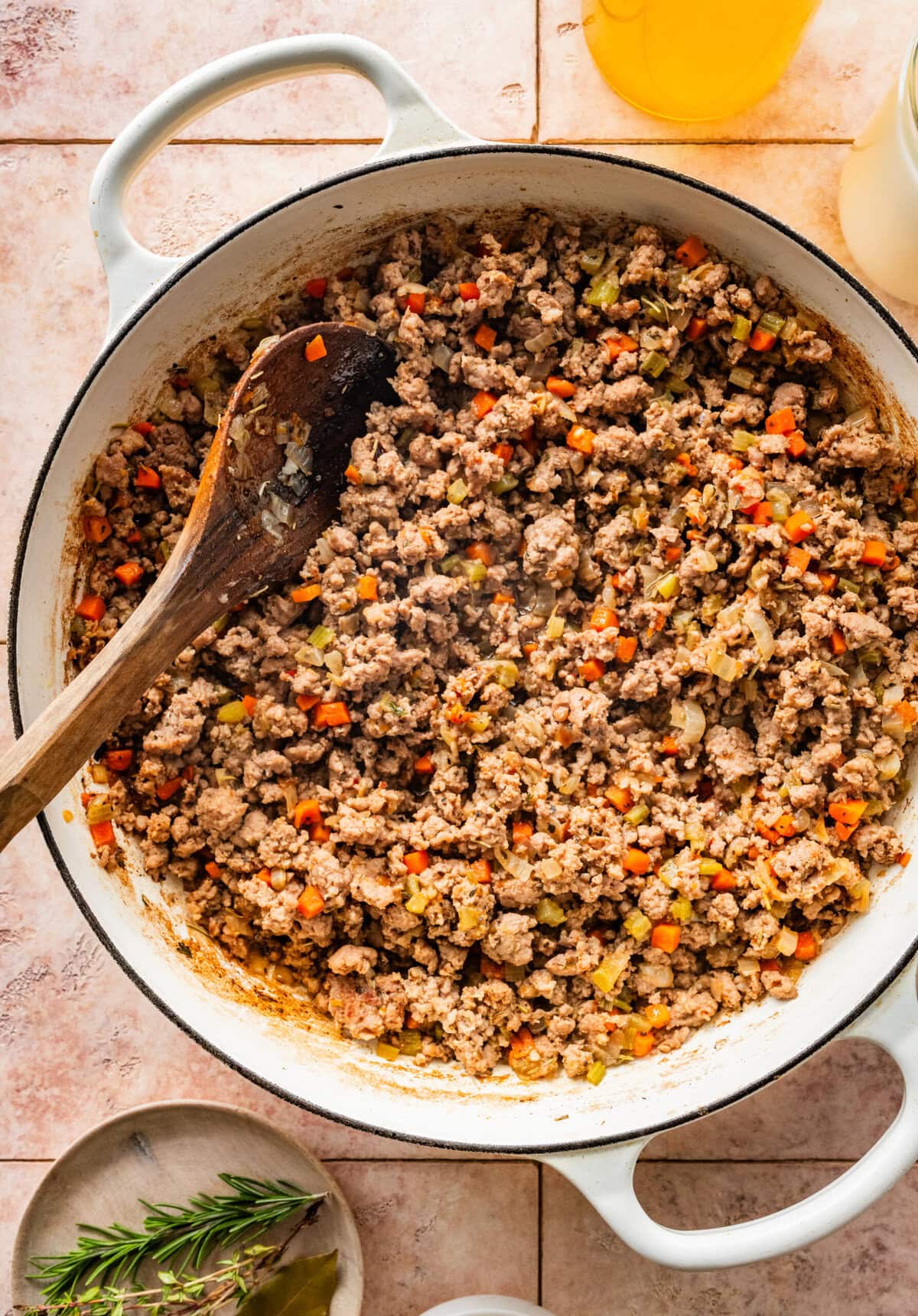
Step #3: Deglaze with wine: Pour in the white wine and let it simmer until mostly evaporated, about 3–4 minutes. Scrape up any browned bits from the bottom of the pot.
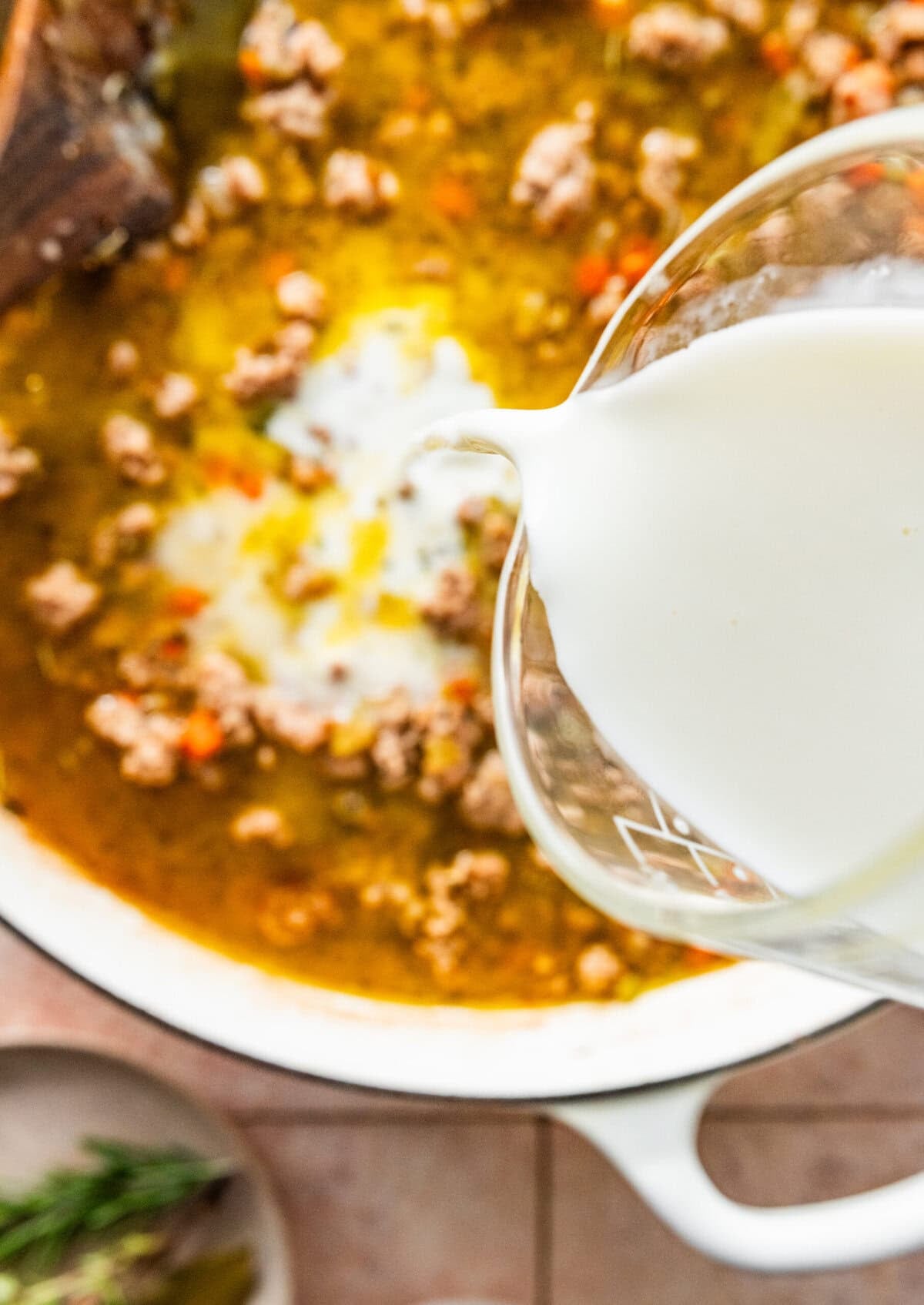
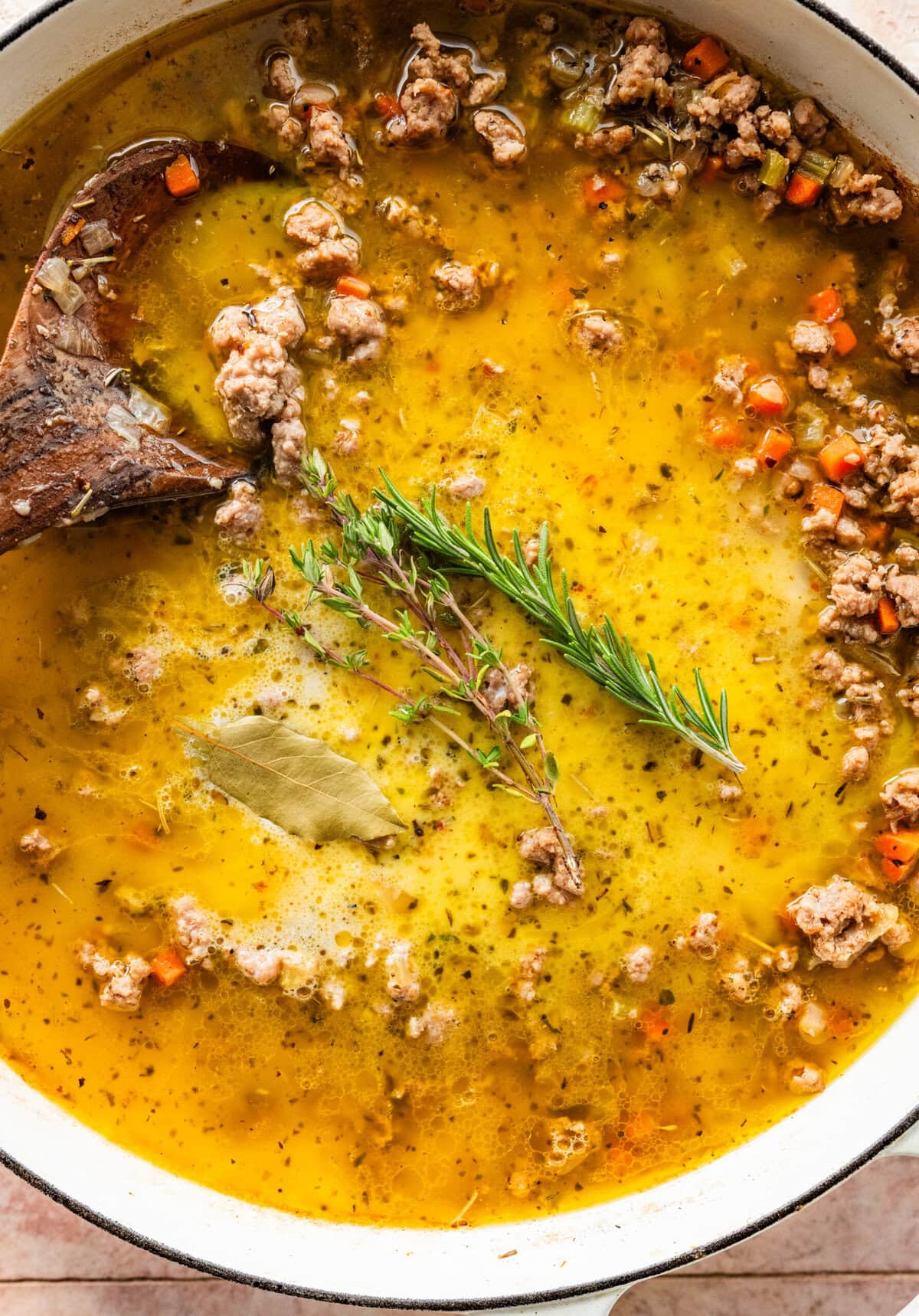
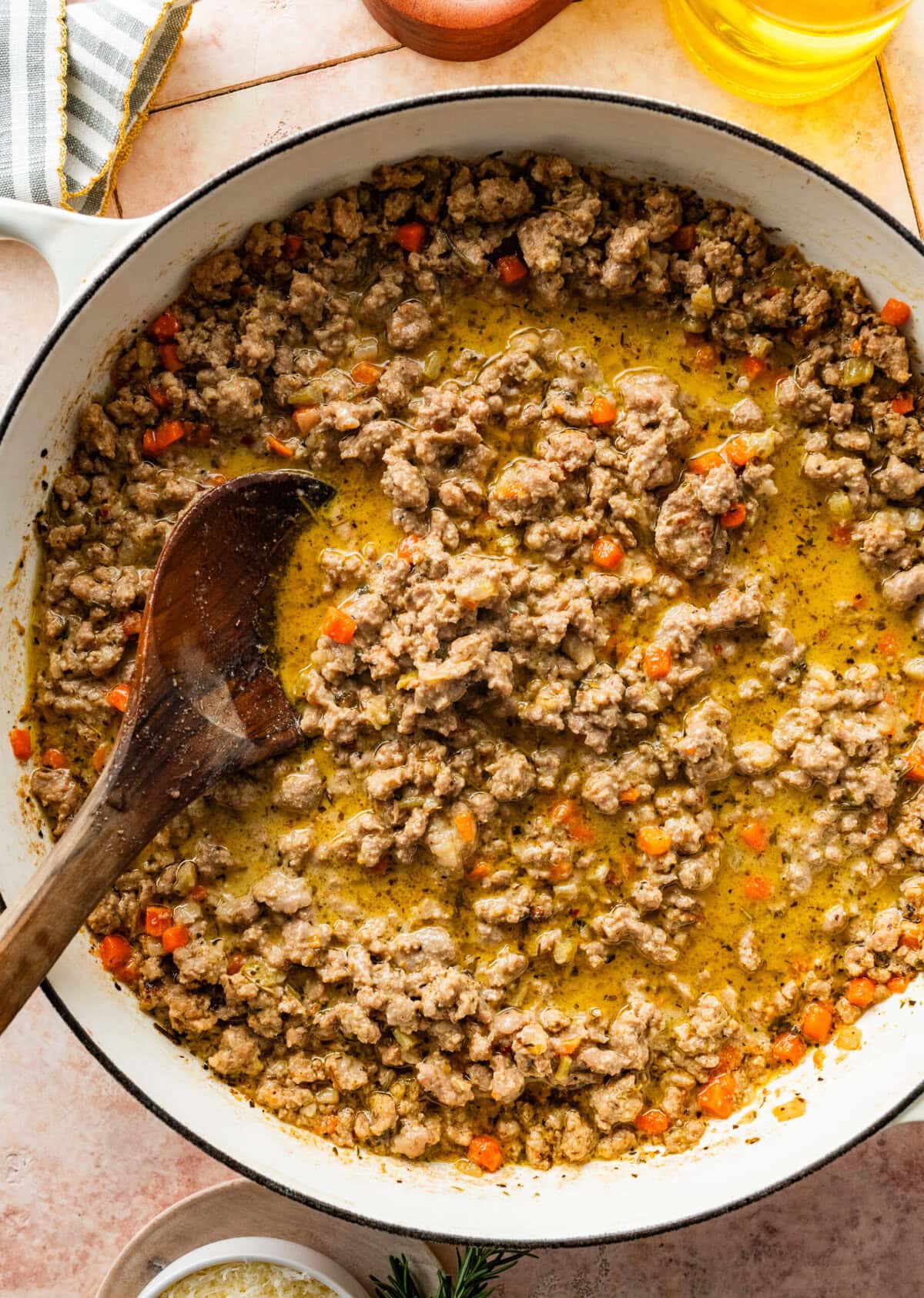
Step #4: Slow simmer: Add 1 ½ cups broth, the milk, rosemary (or thyme), and bay leaf. Stir gently. Bring to a soft simmer, then reduce heat to low.
Cook uncovered for a minimum of 1 hour, ideally 1½–2 hours, stirring occasionally. Add more broth as needed to keep the ragù loose and silky. Remove rosemary/thyme sprig and bay leaf before serving.
Step #5: Cook the pasta: Bring a large pot of salted water to a boil. Cook the pappardelle or tagliatelle until al dente, about 1–2 minutes under package instructions—reserve pasta water.
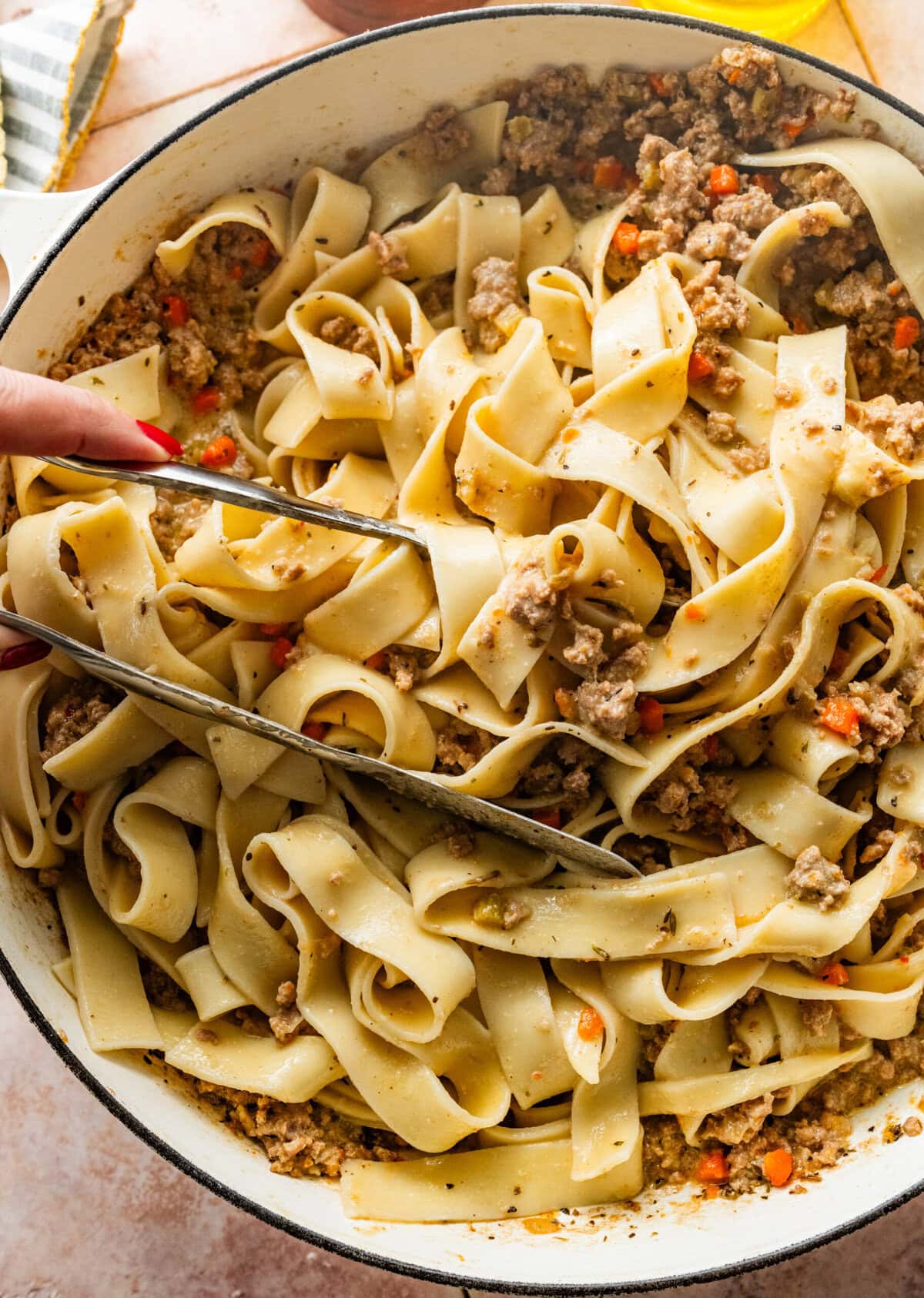
Step #6: Marry the pasta and sauce: Transfer the pasta directly into the pot of warm ragù with a splash of pasta water. Toss gently over medium heat for 1–2 minutes until the sauce clings to every ribbon of pasta. Finish with a generous handful of freshly grated Parmigiano Reggiano. Serve in individual bowls and enjoy!
My Pro Tips
Recipe Tips for Ragu Bianco
- Let the soffritto truly soften and caramelize—most online versions rush this step, but this is where authentic sweetness develops.
- Don’t rush the browning: Allow the meat to sit undisturbed in intervals to build flavor.
- White wine must fully reduce: If not, the sauce will taste sharp instead of balanced.
- Slow simmer uncovered: This evaporates liquid gradually and concentrates flavor.
- Add broth only as needed: The best ragù bianco should be loose and velvety, never soupy.
- Finish the pasta in the sauce: Finishing cooking the pasta directly in the ragù ensures emulsification and restaurant-level texture.
- Rest the sauce 10 minutes before serving: A short rest allows flavors to settle and deepen.
FAQ’s
A traditional northern Italian meat sauce made without tomatoes. Instead, it’s built on aromatics, white wine, broth, and milk for a delicate, savory, velvety flavor.
Authentic ragù bianco is a separate regional dish from classic Bologna-style ragù. It highlights the sweetness of the soffritto and meat rather than acidity from tomatoes.
Use a dry white wine such as Pinot Grigio, Verdicchio, Orvieto, or Sauvignon Blanc. Avoid sweet wines.
Yes! You can. Here is how:
Sauté the soffritto + brown the meats on the stovetop first.
Transfer everything to a slow cooker.
Add wine, broth, milk, and herbs.
Cook on LOW for 6–7 hours or HIGH for 3–4 hours.
Remove herbs and finish with Parmigiano.
Still toss pasta directly with the finished sauce for best results.
Refrigerate: Up to 3 days in an airtight container.
Freeze: Up to 3 months (freeze sauce without pasta).
Reheat: Gently on the stovetop with a splash of broth or milk to bring back the silky consistency.
Leftover pasta with sauce: Reheat in a pan with 1–2 tablespoons water and toss until glossy. If you’re looking to repurpose your leftovers, follow my Fried Spaghetti with Leftover Pasta recipe!
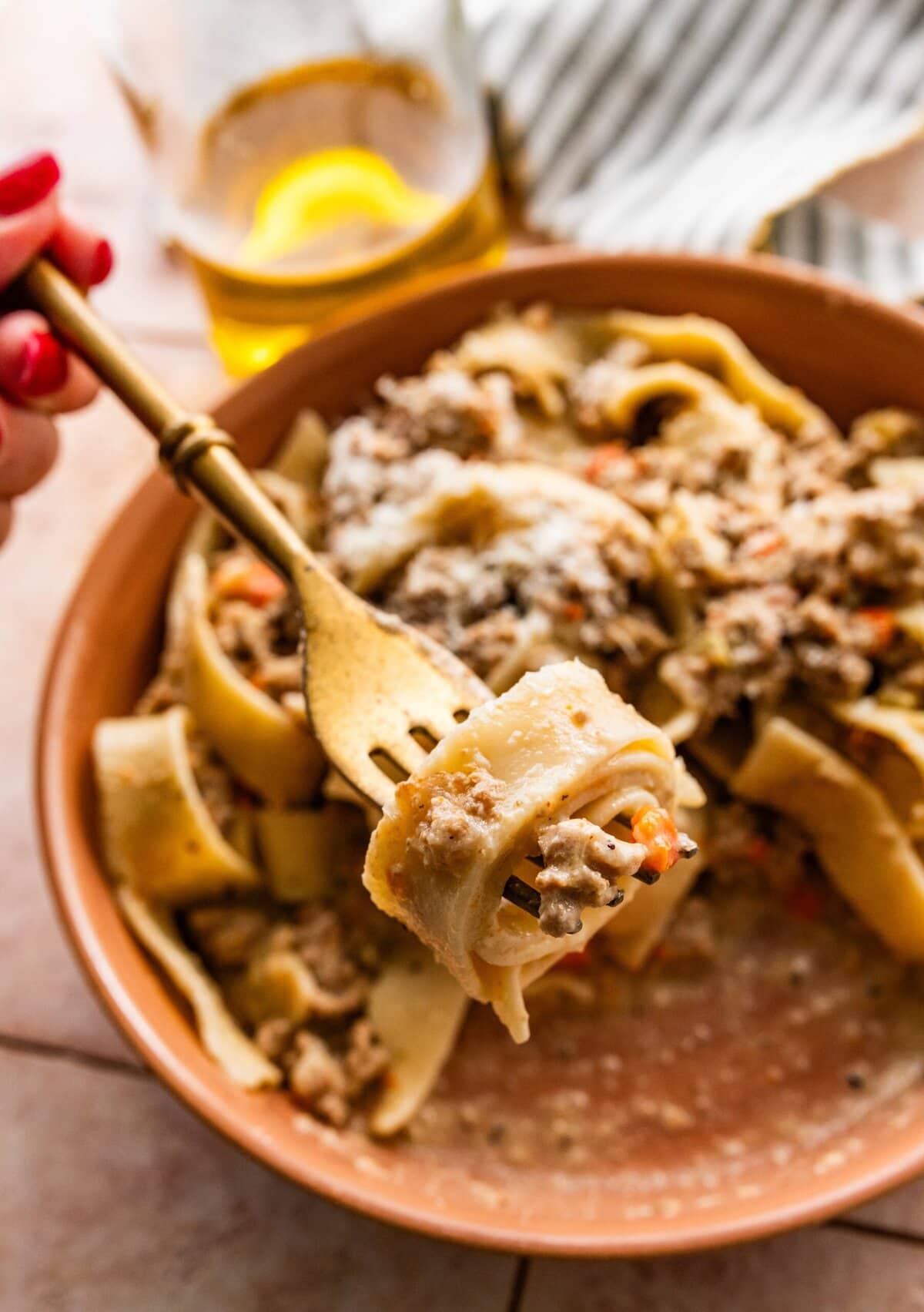
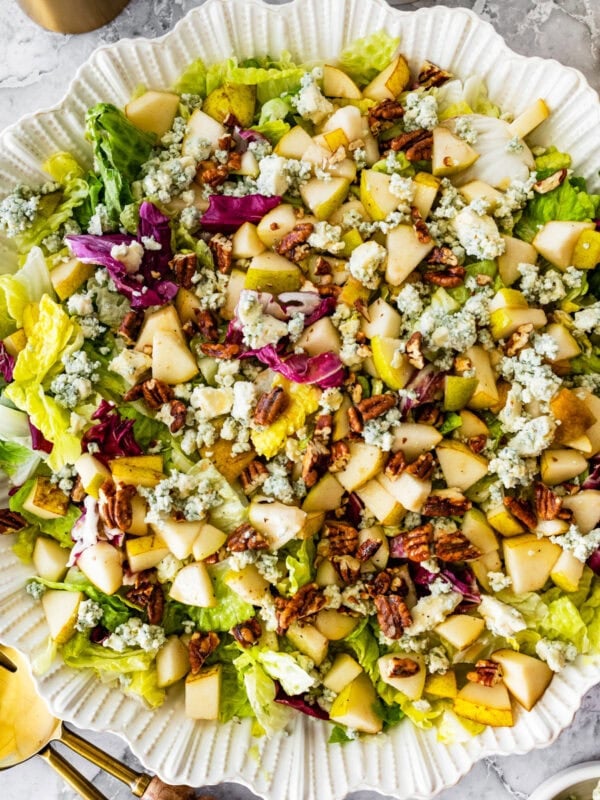
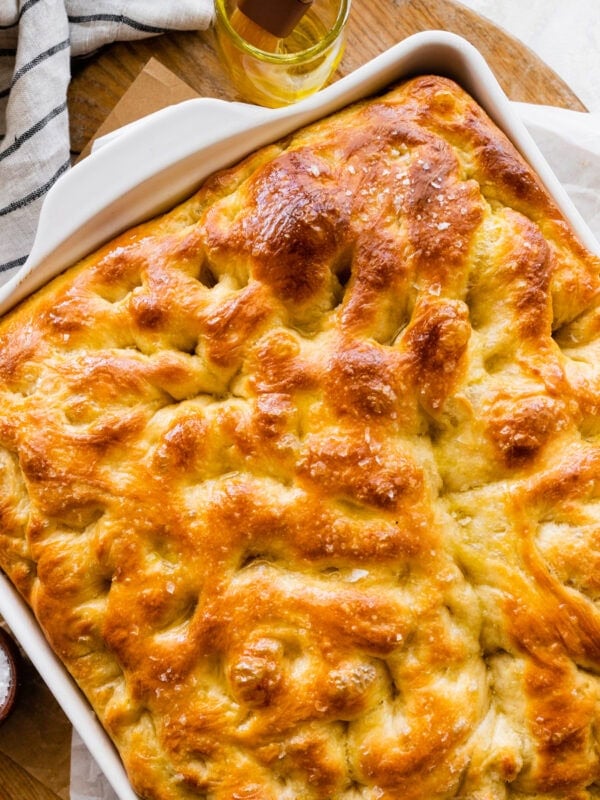
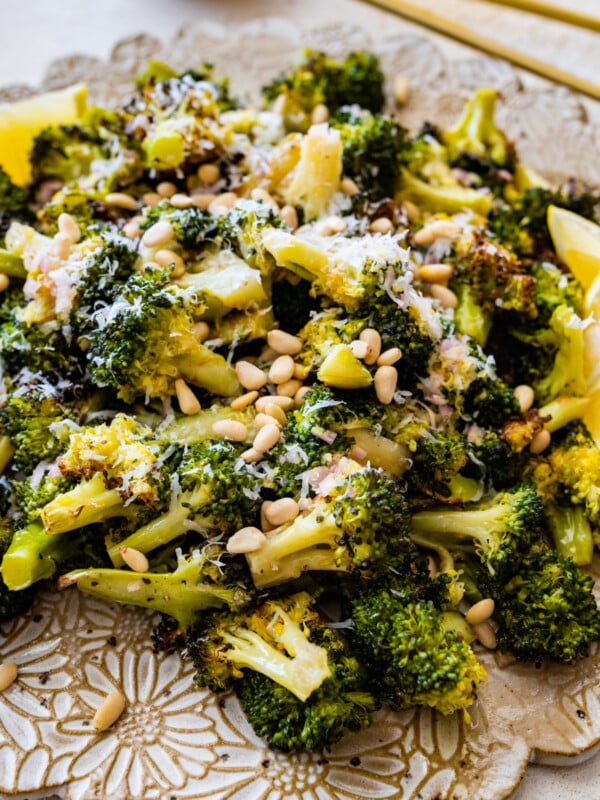
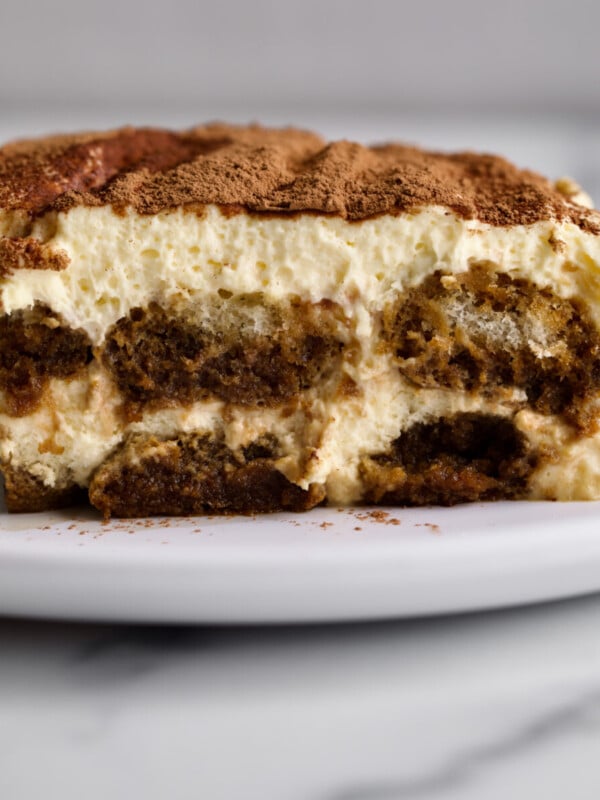
What to Serve With White Ragu Sauce
💙 MADE THIS RECIPE AND LOVED IT? 💙 Please leave a ⭐️STAR rating and COMMENT below- I love connecting with you! Tag me with your creations on Instagram and find me on Pinterest.
White Bolognese Recipe
Ingredients
Ragù Bianco
- 2 tablespoons extra-virgin olive oil
- 2 tablespoons butter
- 1 medium yellow onion, finely diced
- 1 large carrot, finely diced
- 2 ribs celery, finely diced
- 3 cloves garlic, finely chopped
- 1 pound ground pork
- 1 pound ground veal, or substitute Italian sausage, ground beef, ground chicken, or ground turkey
- 1 teaspoon fine sea salt, more to taste
- ½ teaspoon freshly ground black pepper
- 1 teaspoon homemade Italian seasoning, or dried rosemary + thyme mix
- pinch ground nutmeg
- 1 cup dry white wine
- 2 cups chicken stock
- 1 1/4 cups whole milk
- 1 sprig fresh rosemary
- 1 sprig fresh thyme
- 1 bay leaf
- Freshly grated Parmigiano Reggiano, for serving
Pasta
- 1 pound pappardelle or tagliatelle, any pasta of your choice is great!
- Salt for pasta water
Instructions
- Build the soffritto: In a large heavy pot (I use a Dutch oven), heat the olive oil and butter over medium heat. Add the onion, carrot, and celery. Cook 8–10 minutes until the vegetables are soft, sweet, and lightly golden—this slow step is the foundation of the sauce.
- Add the garlic: Stir in the garlic and cook 1 minute until fragrant, without letting it brown.
- Brown the meats: Add the ground pork and veal. Season with salt, pepper, nutmeg, and Italian herbs. Use a wooden spoon to break the meat into small pieces. Cook 10–12 minutes until the meat loses its raw color and begins to lightly brown. Tip: Let the meat sit undisturbed a few times so it caramelizes—this adds depth.
- Deglaze with wine: Pour in the white wine and let it simmer until mostly evaporated, about 3–4 minutes. Scrape up any browned bits from the bottom of the pot.
- Slow simmer: Add 1 ½ cups broth, the milk, rosemary (or thyme), and bay leaf. Stir gently. Bring to a soft simmer, then reduce heat to low.
- Cook uncovered for minimum of 1 hour ideally 1½–2 hours, stirring occasionally. Add more broth as needed to maintain a loose, silky ragù. Remove rosemary/thyme sprig and bay leaf before serving.
- Cook the pasta: Bring a large pot of salted water to a boil. Cook the pappardelle or tagliatelle until al dente, about 1–2 minutes under package instructions.
- Marry the pasta and sauce: Transfer the pasta directly into the pot of warm ragù with a splash of pasta water. Toss gently over medium heat for 1–2 minutes until the sauce clings to every ribbon of pasta. Finish with a generous handful of freshly grated Parmigiano Reggiano. Serve hot!
Notes
- Let the soffritto truly soften and caramelize—most online versions rush this step, but this is where authentic sweetness develops.
- Don’t rush the browning: Allow the meat to sit undisturbed in intervals to build flavor.
- White wine must fully reduce: If not, the sauce will taste sharp instead of balanced.
- Slow simmer uncovered: This evaporates liquid gradually and concentrates flavor.
- Add broth only as needed: The best ragù bianco should be loose and velvety, never soupy.
- Finish the pasta in the sauce: Finishing cooking directly in the ragù ensures emulsification and restaurant-level texture.
- Rest the sauce 10 minutes before serving: A short rest allows flavors to settle and deepen.
- Sauté the soffritto + brown the meats on the stovetop first.
- Transfer everything to a slow cooker.
- Add wine, broth, milk, herbs.
- Cook on LOW for 6–7 hours or HIGH for 3–4 hours.
- Remove herbs and finish with Parmigiano.
- Still toss pasta directly with the finished sauce for best results.
Nutrition
Nutrition information is automatically calculated, so should only be used as an approximation.
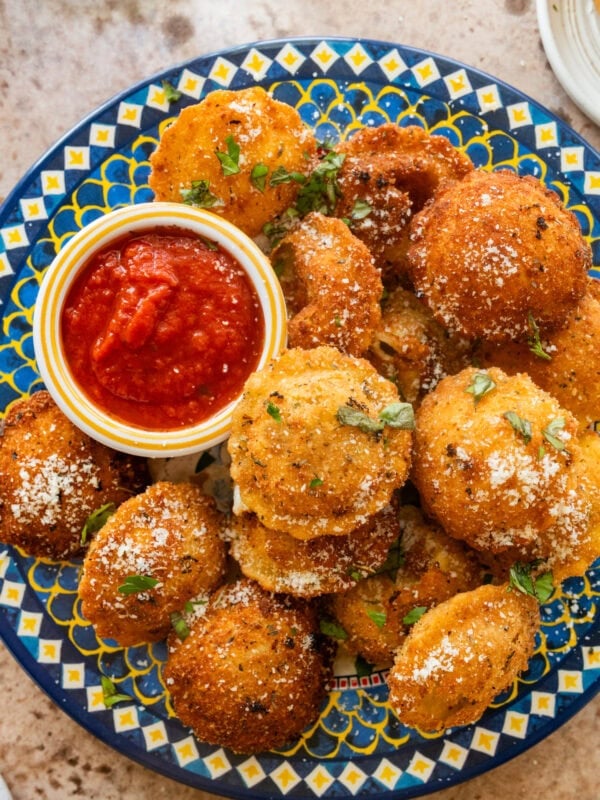





Ok, this was amaze-balls. Truly. I atexwaaaay too much.
Used 1 lb Italian sausage and 1 lb ground beef. The hubby made fresh linguini.
PERFECT! I am so happy you loved it and I hope you try more recipes and come back to this one! ✨, Elena
Non drinker here: Can you recommend a good, dry white wine to use for this recipe and others?
Absolutely 🤍 For a good dry white wine in cooking, I love using:
Pinot Grigio – light, crisp, great all-purpose
Sauvignon Blanc – bright acidity, works beautifully in sauces and stews
Dry Vermouth (non-fortified) – great if you prefer no alcohol cooked in
Just avoid sweet wines like Moscato or Riesling for savory dishes. Cheers! 🍷✨
Easy and delcious every single time. A family favorite for good reason! Let me know when you try it!