Pistachio Pesto

This post may contain affiliate links. Please read our disclosure policy.
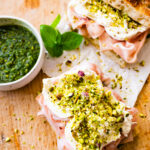
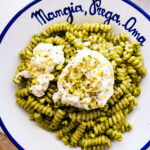
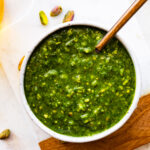
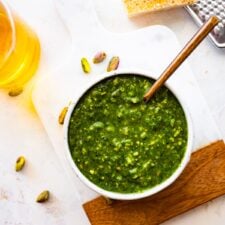
This Pistachio Pesto combines fresh basil, buttery pistachios, garlic, Parmigiano Reggiano, Pecorino Romano, and extra-virgin olive oil into a creamy, nutty pesto with bright basil flavor. It’s my Italian-inspired variation on classic basil pesto, swapping the traditional pine nuts for pistachios. Ready in about 10 minutes, this basil pistachio pesto is delicious tossed with pasta, spread on sandwiches, or served with bread, vegetables, and grilled meats.
Use this variation of classic pesto to make Basil Pistachio Pesto Pasta, a Mortadella Sandwich, Tomato Burrata Salad, and more!
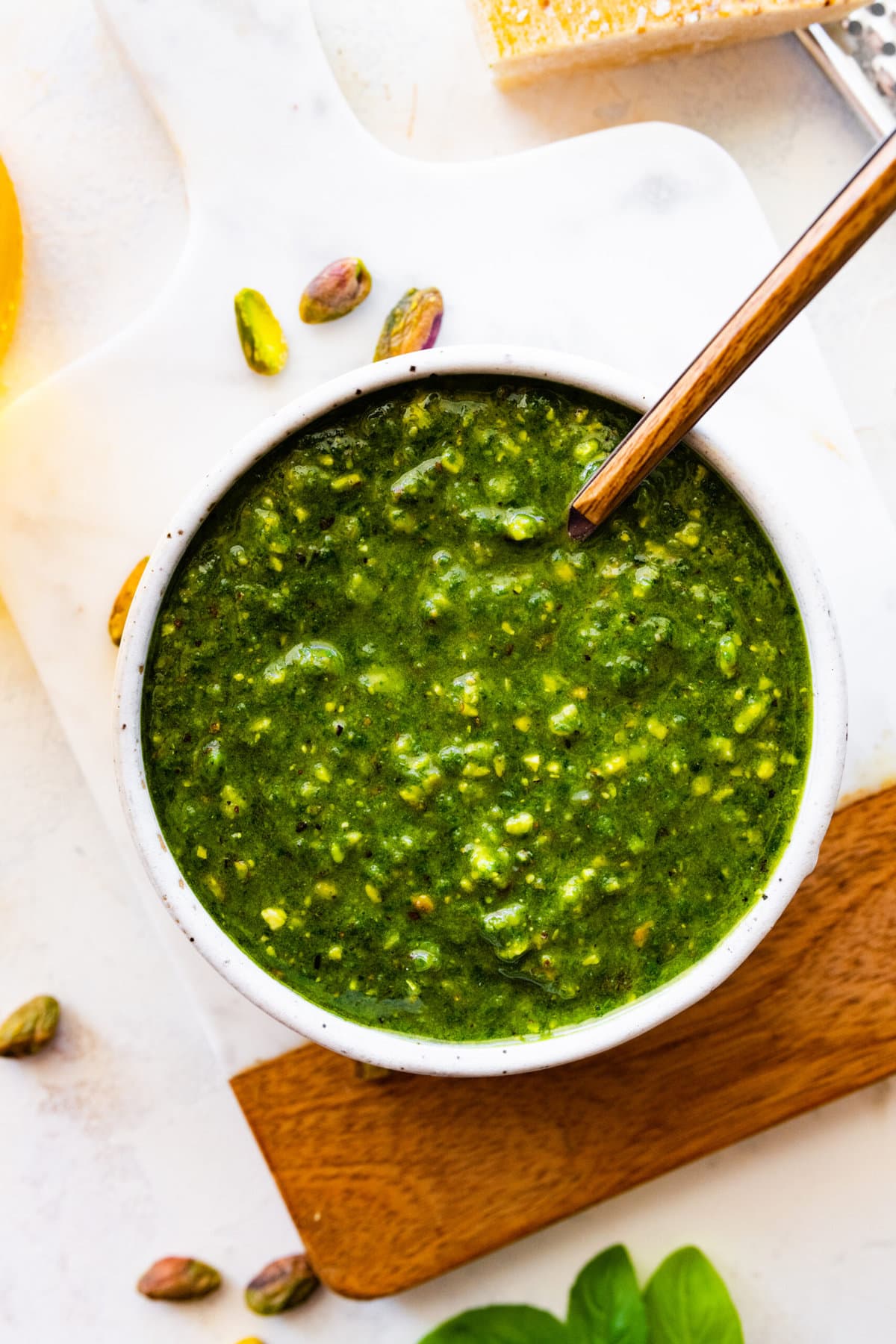

Quick Look: Pistachio Pesto
- Prep Time: 10 minutes
- Total Time: 10 minutes
- Servings: 12
- Dietary Info: Vegetarian and gluten-free, can be made dairy-free
- Method: Food processor or blender
- Technique: Pulse the pistachios, basil, garlic, and cheeses until finely chopped, then slowly blend in the olive oil.
- Flavor/Texture: Fresh, nutty, herbaceous, garlicky, savory, creamy
Why I Love This Pistachio Pesto

This pesto is the best because pistachios give a classic basil pesto a rich flavor and slightly sweeter nuttiness than pine nuts. I use both Parmigiano Reggiano and Pecorino Romano for a savory balance that works especially well with the pistachios and fresh basil.
It’s also one of those Italian sauces I make because it can do so much more than pasta: spread it on a mortadella sandwich, spoon it over burrata and tomatoes, serve it with crusty bread, or use it to finish grilled chicken or vegetables.
For sweet pistachio recipes, you’ll love my Sweet Pistachio Cream and these Italian Pistachio Cookies, too! They’re perfect for any occasion!
Made With AmorE,

“Thanks for sharing this absolutely delicious recipe!”
– Lauri
Table of Contents
Simple Ingredients
A handful of Italian ingredients creates a creamy basil pistachio pesto with rich nutty flavor and fresh herbaceous notes.
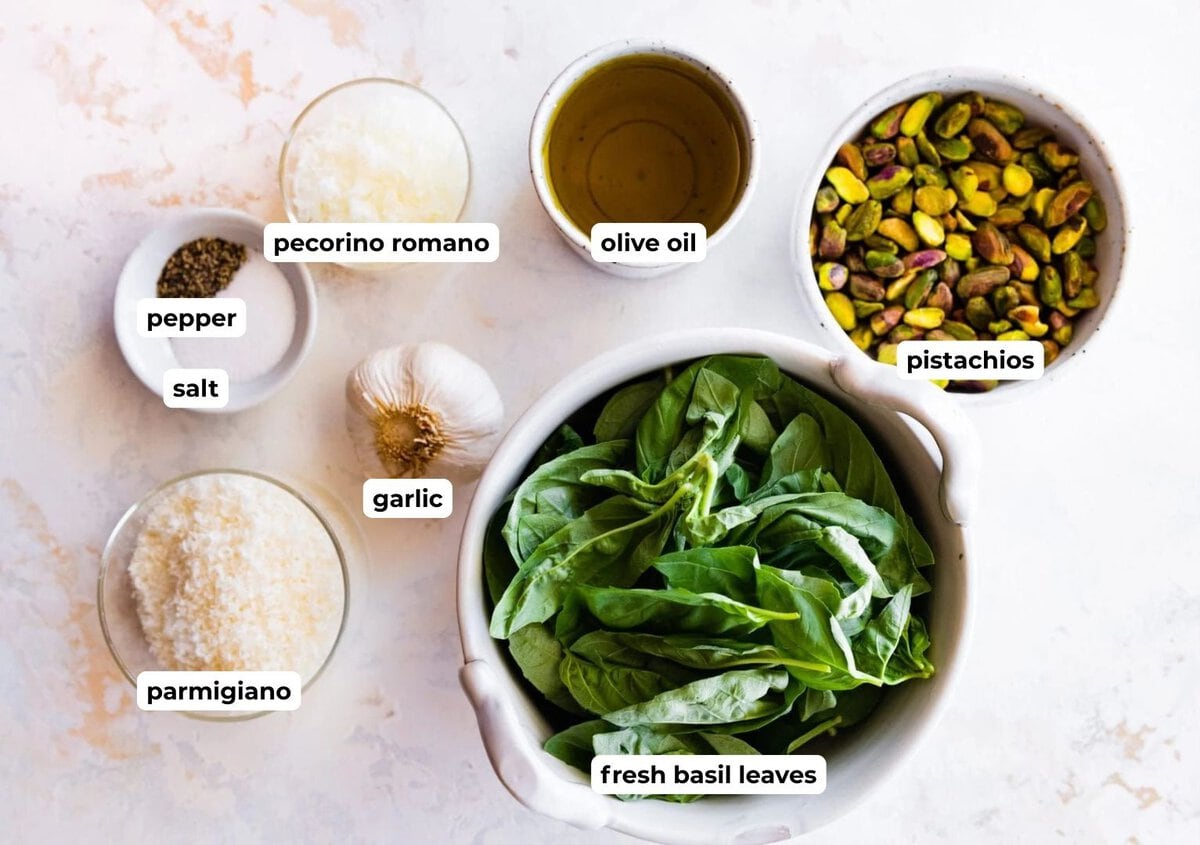
- Shelled Pistachios: Use unsalted pistachios so you can control the seasoning. Raw pistachios give a lighter flavor, while roasted pistachios add deeper nuttiness.
- Fresh Basil: Provides the bright, herbaceous flavor that connects this pesto to classic basil pesto.
- Parmigiano Reggiano and Pecorino Romano: The two cheeses add depth and balance the richness of the pistachios.
- Fresh Garlic: Adds a sharp aromatic note that rounds out the nuts, basil, and cheese.
- Extra-Virgin Olive Oil: Brings the ingredients together into a spreadable pesto and adds richness.
See recipe card for full information on ingredients and quantities.
Substitutions & Variations
- Raw Or Roasted Pistachios: Both work well. Raw pistachios give the pesto a lighter, fresher flavor, while roasted pistachios make it deeper and nuttier. Use unsalted pistachios either way.
- Cheese: Use all Parmigiano Reggiano for a milder pesto, or substitute another hard Italian cheese if needed.
- Dairy-Free: Omit the cheese and adjust the seasoning to taste, or use nutritional yeast for a savory alternative.
- Texture: For a thicker pesto, use less olive oil. For a thinner sauce or spread, add a little more olive oil or water. Adjusting the consistency makes this pesto versatile for different uses. A thinner pesto works especially well on homemade pizza with Neopolitan Pizza Dough or as a flavorful dressing for Prosciutto and Melon Salad.
How to Make Pistachio Pesto
This homemade basil pistachio pesto comes together in minutes by blending the ingredients until smooth, then adjusting the olive oil and seasoning to create the consistency you want. Follow the step-by-step photos and see the recipe card at the bottom for a printable version.
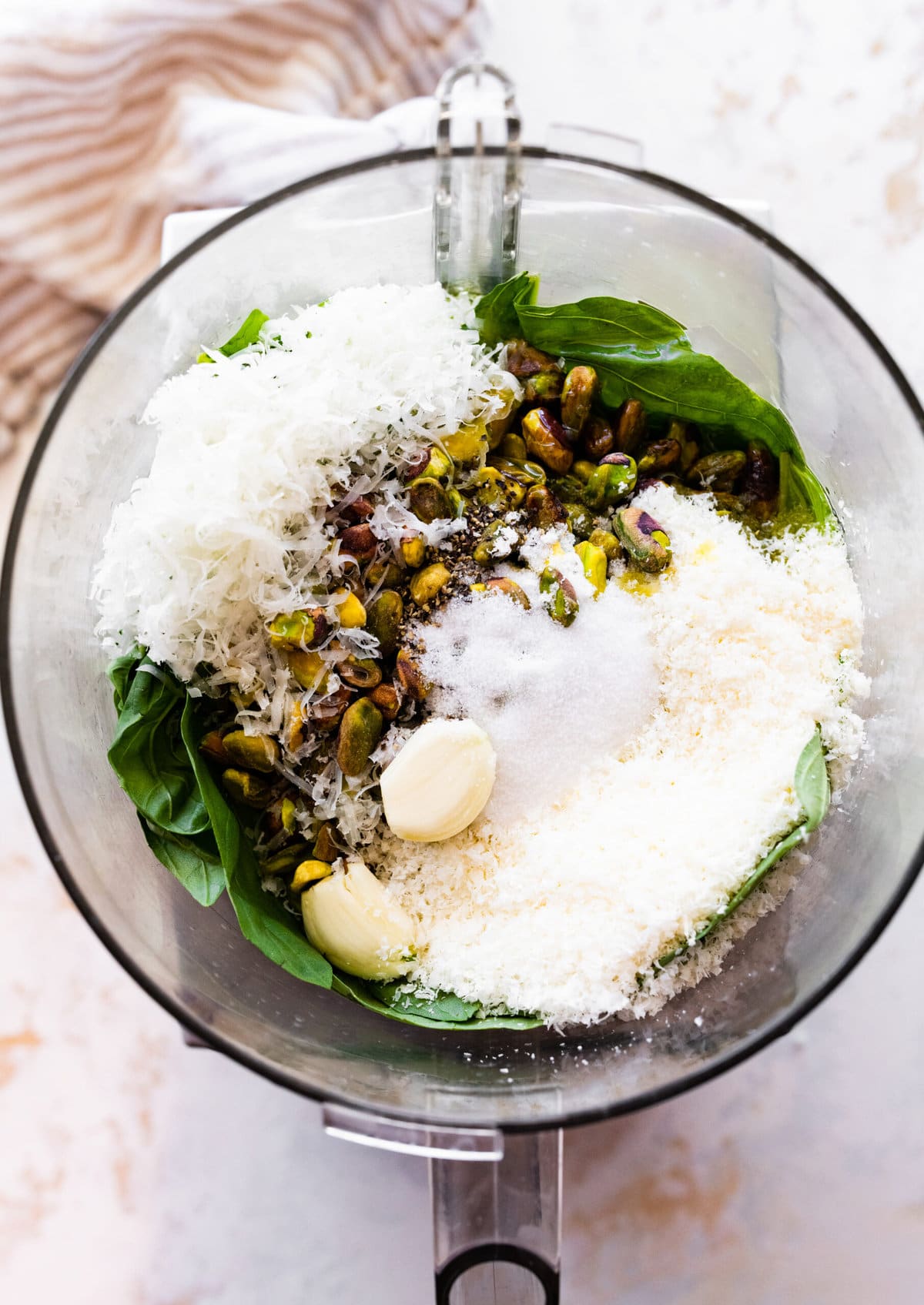
- Combine the shelled pistachios, crushed garlic, fresh basil leaves, both types of cheese, and a bit of salt.
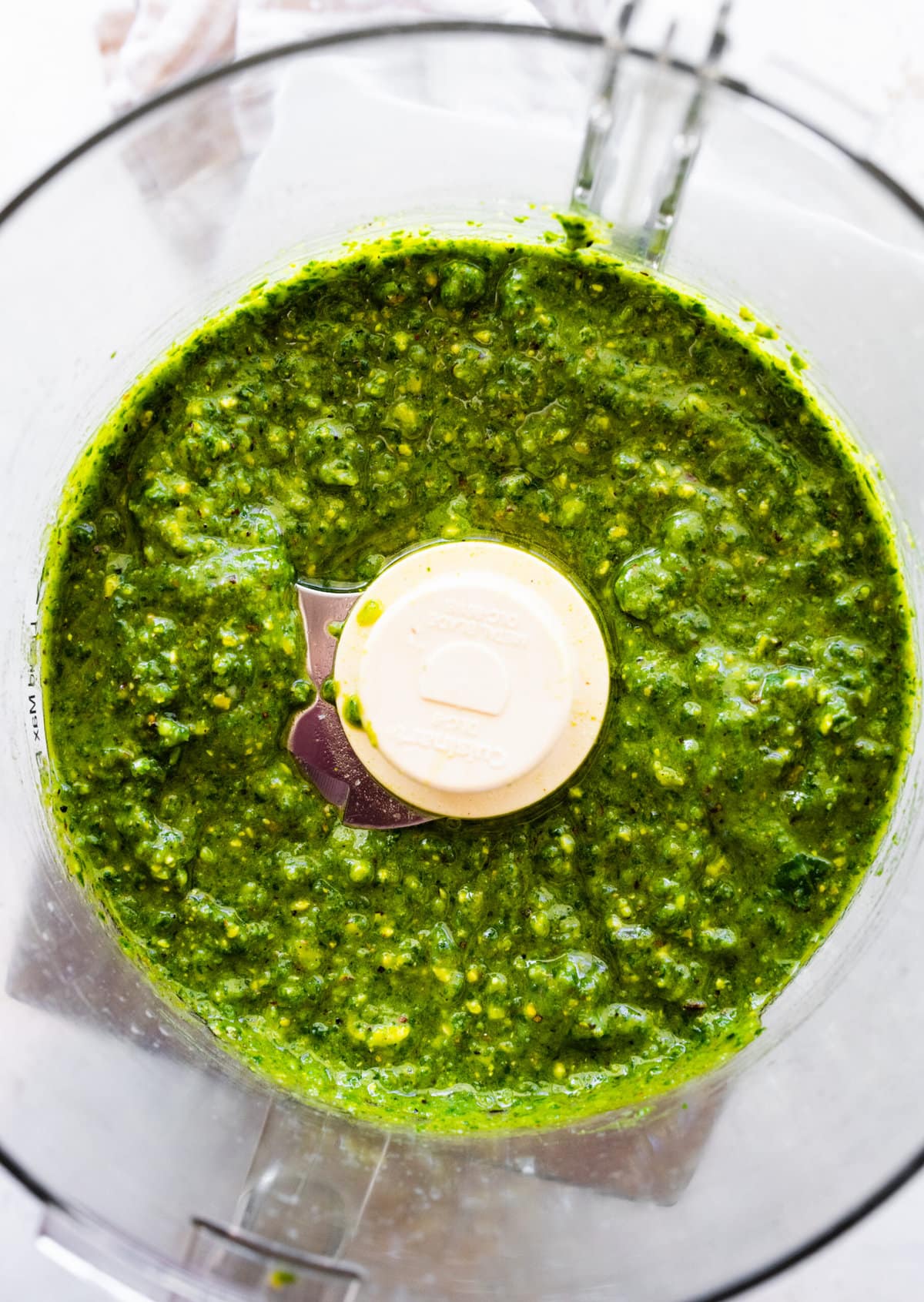
- Gradually pour in the extra virgin olive oil in a steady stream while the blender or food processor is running. Continue pulsing until the ingredients are well combined and form a smooth paste. Stop and scrape down the bowl’s sides or blender pitcher as needed.
Basil Pistachio Pesto FAQs
Yes, you can use roasted pistachios instead of raw ones to make pistachio pesto. Roasted pistachios will add a deeper, richer flavor to the pesto compared to raw pistachios. Just be sure to adjust the seasoning accordingly, as roasted pistachios may already have some salt added.
If your pistachio pesto becomes too thick, you can thin it out by adding a little extra olive oil or water until you reach the desired consistency. Start with small amounts and adjust as needed until the pesto reaches the desired thickness.
To prevent oxidation and preserve the pesto’s vibrant green color, cover the surface of your pesto with a thin layer of extra virgin olive oil. This creates a barrier that helps protect the pesto from air exposure.
Store pistachio pesto in a clean, airtight container in the refrigerator. Press plastic wrap directly against the surface or cover the top with a thin layer of olive oil to limit air exposure and help prevent browning. Use refrigerated pesto within 3–5 days for the best quality.
For longer storage, freeze the pesto in small containers or ice cube trays for up to 3 months. Thaw frozen pesto overnight in the refrigerator and stir well before using.
Serving Suggestions
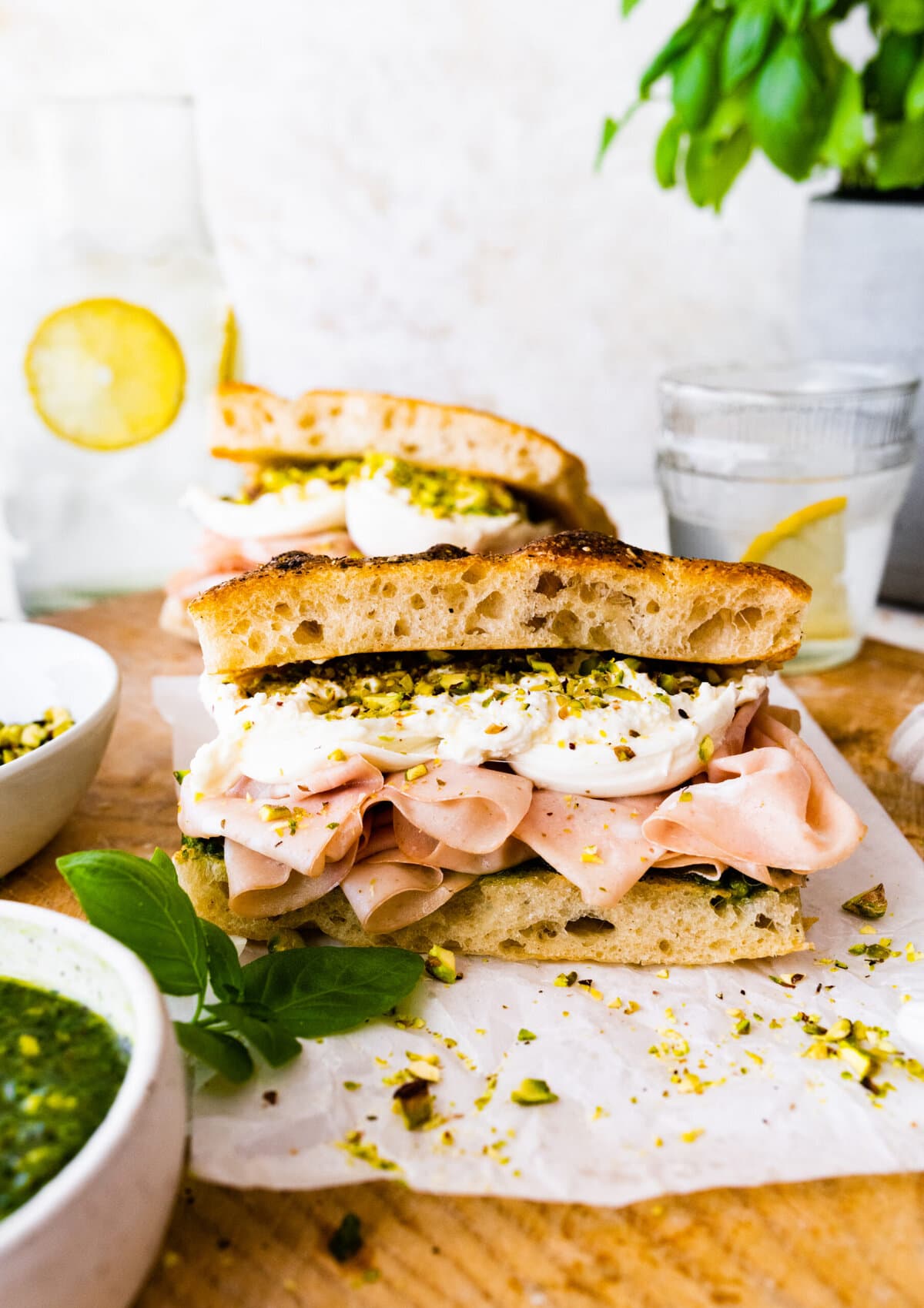
I love using this basil pistachio pesto beyond pasta, but you won’t regret trying it in my Pesto Lasagna or drizzled over my Zucchini and Cheese Pasta. Spread it on a Mortadella Sandwich with Pistachio Pesto and Burrata, spoon it over Tomato Burrata Salad, or serve it on my Bruschetta Chicken. It also makes a flavorful finishing sauce for Grilled Chicken Thighs, Roasted Portobello Mushrooms, shrimp, and fish.
My Pro Tips
Recipe Tips
- Use unsalted pistachios so you can control the amount of salt in the finished pesto.
- Wash and dry the basil well because excess water can dilute the pesto.
- Pulse before adding the oil so the pistachios, basil, garlic, and cheese break down evenly.
- Add the olive oil gradually so you can control the final texture and stop when the pesto reaches the consistency you prefer.
- Don’t over-process the basil because excessive processing can dull its fresh flavor and color.
More Pesto Recipes
💙 MADE THIS RECIPE AND LOVED IT? 💙 Please leave a ⭐️STAR rating and COMMENT below- I love connecting with you! Tag me with your creations on Instagram and find me on Pinterest.
Pistachio Pesto Recipe
Equipment
Ingredients
- 1 cup shelled pistachios, unsalted, you can use raw or raosted
- 1-2 cloves garlic, adjust to taste
- 2 ½ cups fresh basil leaves, washed
- ½ cup freshly grated Parmigiano cheese
- ¼ cup freshly grated pecorino cheese
- ½ cup extra virgin olive oil, you made a little more
- Salt and black pepper to taste
Instructions
- Prepare the ingredients: Peel and crush the clove of garlic. Wash and dry the basil leaves. Grate the Parmigiano and pecorino cheeses.
- Blend the ingredients: In a food processor or blender, combine the shelled pistachios, crushed garlic, fresh basil leaves, grated Parmigiano cheese, grated pecorino cheese, and salt to taste.
- Add olive oil: With the food processor or blender running, gradually pour in the extra virgin olive oil in a steady stream. Continue pulsing until the ingredients are well combined and form a smooth paste. Add a little extra olive oil for a thinner pesto. You may need to occasionally stop and scrape down the bowl’s sides or blender pitcher.
- Taste and adjust the seasoning: Once blended, taste the pesto and adjust the seasoning if necessary. Add more salt if desired.
- Serve or store: Transfer the pistachio pesto to a jar or airtight container. You can use it immediately as a sauce for pasta, spread it on toast, a sandwich, or dip. If storing, cover the top of the pesto with a thin layer of olive oil to prevent oxidation and refrigerate. Refrigerate for 5-7 days, or freeze for up to 3 months. Store in ice cube trays or freezer bags for convenience.
- Enjoy your homemade Italian pistachio pesto!
Notes
- Use unsalted pistachios so you can control the amount of salt in the finished pesto.
- Wash and dry the basil well because excess water can dilute the pesto.
- Pulse before adding the oil so the pistachios, basil, garlic, and cheese break down evenly.
- Add the olive oil gradually so you can control the final texture and stop when the pesto reaches the consistency you prefer.
- Don’t over-process the basil because excessive processing can dull its fresh flavor and color.
Nutrition
Nutrition information is automatically calculated, so should only be used as an approximation.





Thanks for sharing this absolutely delicious recipe!
You are most welcome. I’m happy you loved it.
You will love this authentic pistachio pesto! It is good on everything!