Cheap vs. Expensive Pasta (Why Pasta Quality Matters!)

This post may contain affiliate links. Please read our disclosure policy.
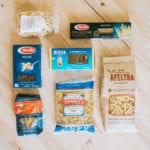
This guide for Cheap vs. Expensive Pasta (Why Pasta Quality Matters!) shows you why pasta is not all the same and how choosing the right one can completely transform your dish. Texture, flavor, and sauce absorption all change with quality, and high-quality pasta creates a noticeably better eating experience. Once you see the difference, it becomes hard to go back.
If you love this guide, you should try my Homemade Pasta Recipe and Authentic Quick Tomato Paste Sauce.
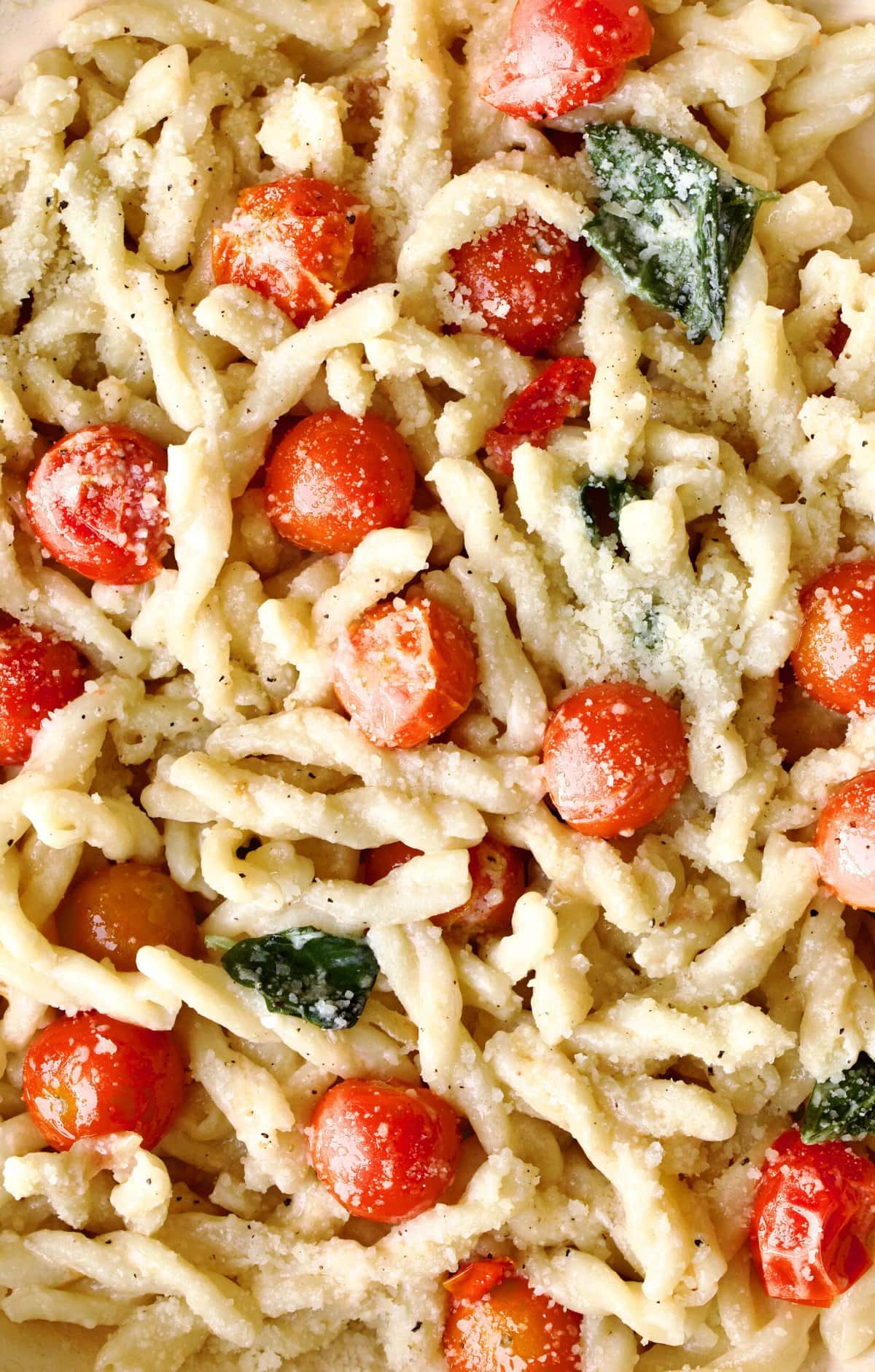
Table of Contents
Cheap vs Expensive Pasta: The Real Differences
The biggest differences between cheap and high-quality pasta come down to production methods.
- Wheat Quality: Higher-quality pasta is made with durum wheat semolina, which creates a firmer texture and better structure when it cooks.
- Shaping Method: Better pasta is often made using bronze dies, which give the surface a rough texture. Cheaper pasta is typically extruded through Teflon, resulting in a smooth and shiny surface.
- Surface Texture: Bronze-cut pasta has a slightly rough finish, which helps sauce cling better to each bite. Smooth pasta tends to let sauce slide off more easily.
These differences might seem small, but they have a big impact on how the pasta tastes and feels. Below I will dive deeper into these three areas.
Wheat Quality Matters
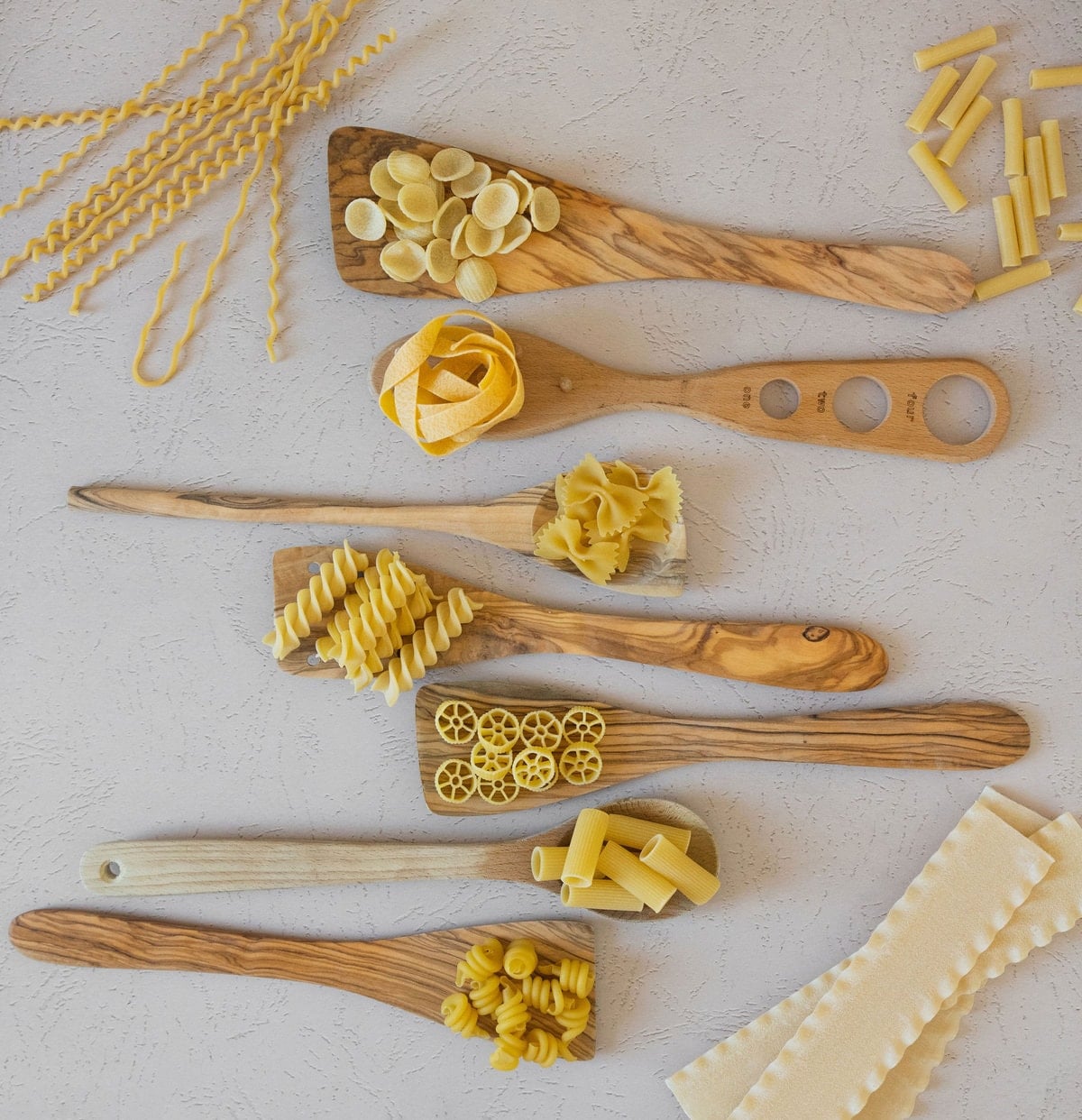
One of the main differences is the type of wheat used. High-quality pasta is made with durum wheat semolina, which gives the pasta a firmer texture and better structure when cooked. This helps the pasta maintain a good bite and overall consistency, which is necessary in dishes like this Cheese and Broccoli Pasta Bake and Caprese Pasta Salad. Lower-quality pasta may use different wheat blends, which can result in a softer texture that doesn’t hold up as well during cooking.
Here is a perfect example to illustrate this.
My uncle, Giuseppe, worked in the advertising industry in Italy for one of the biggest international pasta brands of all time (still is today).
During one of their advertising campaigns, they demonstrated why their type of pasta was “better” than the other brands. They ran a commercial with a chef who boiled two different pots of water, cooking the two varieties. This compared the two types of flour used to make the dry pasta.
One, with the leading brand that only used “grano duro, or durum wheat semolina” (the better kind). This type of pasta yields to a firmer texture overall and looks heartier just by looking at it before it is cooked.
The other used only the “semolina flour” variety found in the other brands. This one has an almost yellow or orange appearance. The raw pasta is almost see-through and very fragile.
The chef cooked both pasta for the time directed to achieve “al dente” texture. He then finished by tossing the pasta in the pan to marry with the sauce, as many Italian pasta dishes often do.
The result—the one with “grano duro, or durum wheat semolina” held its shape, remained “al dente,” didn’t fall apart in the sauce, or get mushy. The other kind did the complete opposite! You can see the difference, and if you tried it, you could taste it as well by the texture.
Bronze Dies vs. Smooth Dies
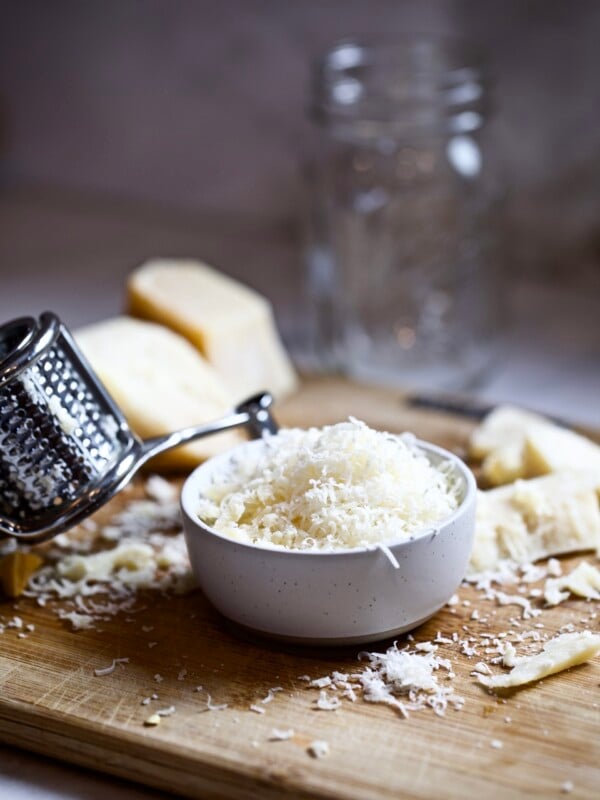
The way pasta is shaped is another key difference. High-quality pasta is often made using bronze dies, which create a rough, slightly porous surface. This texture helps sauce cling better to the pasta. This is essential when making delicious sauces such as my Easy Cheese Sauce. Cheaper pasta is typically made using smoother dies, which produce a more polished surface that doesn’t grip sauce in the same way.
If you want to dive into how to cook pasta perfectly, here is a great guide to boiling the pasta perfectly for you. You will learn how to cook pasta perfectly EVERY TIME!
Drying Process
The final major difference is the drying method. High-quality pasta is slow-dried, which helps preserve the structure and improves the final texture when cooked. Faster industrial drying methods are used for cheaper pasta, which can impact both texture and overall quality in the finished dish. It is important for baked dishes like Creamy Sausage Baked Ziti “White Baked Ziti” to retain structure, or you will end up with a mushy mess!
How to Spot High-Quality Pasta
When shopping, there are a few key signs to look for:
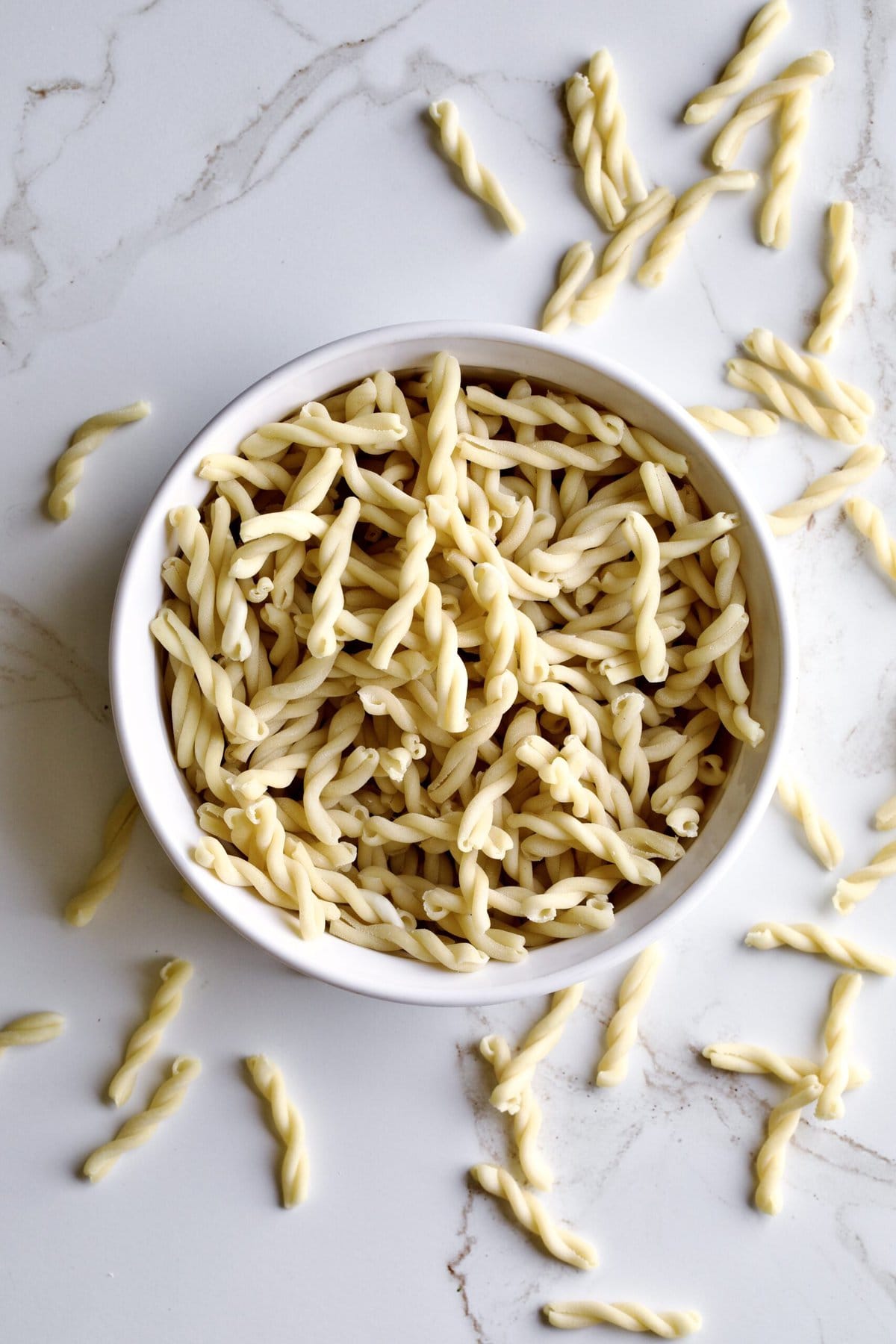
- Look for “bronze-cut” or “bronze-die” pasta on the label
- Check for 100% durum wheat semolina in the ingredients
- Avoid pasta that looks overly smooth or shiny
- Choose pasta with a slightly rough, matte surface
These small details help you identify better-quality pasta before you even cook it.
Brands I Recommend
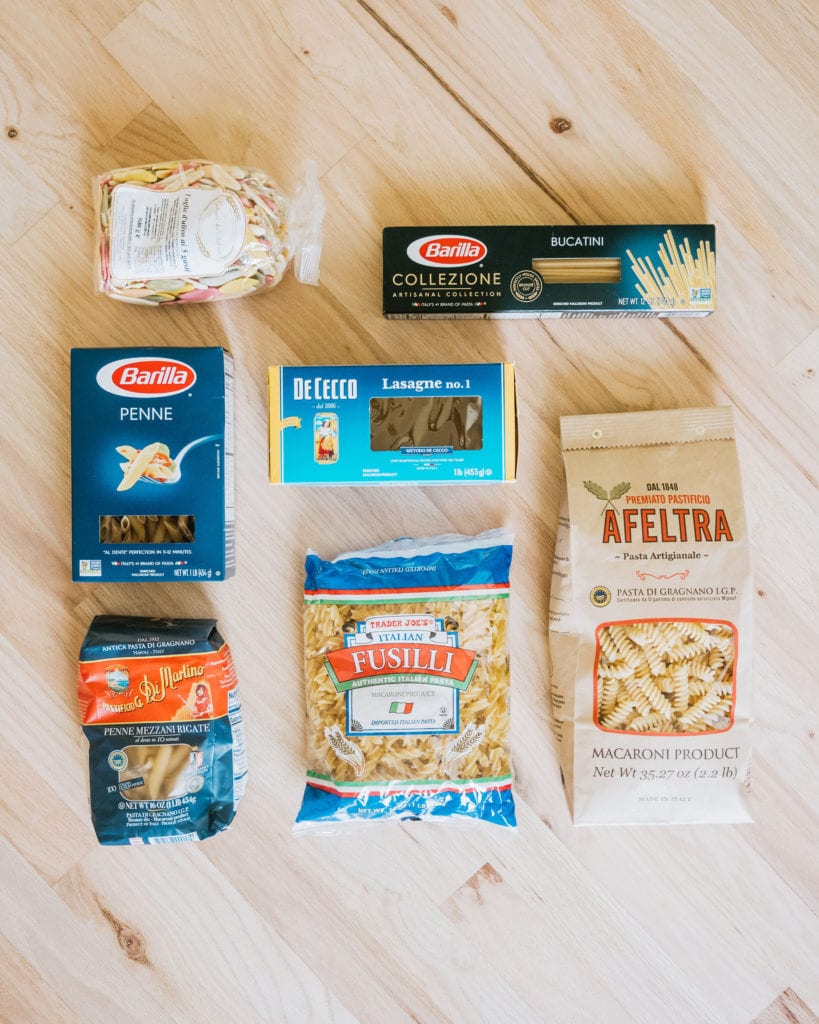
1️⃣ Barilla and Rummo– we cook with it in Italy and the United States. It’s a staple for a reason. It’s the best “bang for your buck” for good quality. Delivers al dente texture every time.
2️⃣ DeCecco– you can find this in most grocery stores. It’s made with coarse-grain semolina and cold mountain water and has a bronze-drawn texture. The quality of DeCecco is hard to beat in terms of price. It is a very good product.
3️⃣DeLallo– superior pasta shape and texture and made the authentic Italian way. Found in U.S.A grocery stores. They have excellent gluten-free and whole pasta varieties.
4️⃣ Rustichella D’Abruzzo. Made in Italy and not enriched, Ingredients: semolina di grano duro, Aqua. I love their spaghetti and unique-shaped pasta varieties. You can find this brand in most specialty Italian stores worldwide.
5️⃣ U.S. grocery store brands that are pretty good: Kroger private selection, HemisFares, and WholeFoods.
FAQs
The main differences are wheat quality, shaping method, and drying process, which all affect texture and sauce absorption.
Bronze-cut pasta has a rough surface that helps sauce cling better, improving overall flavor and texture.
Yes, durum wheat semolina creates a firmer texture and better cooking performance.
Slow drying helps maintain structure and improves the final texture after cooking.
Serving Suggestions
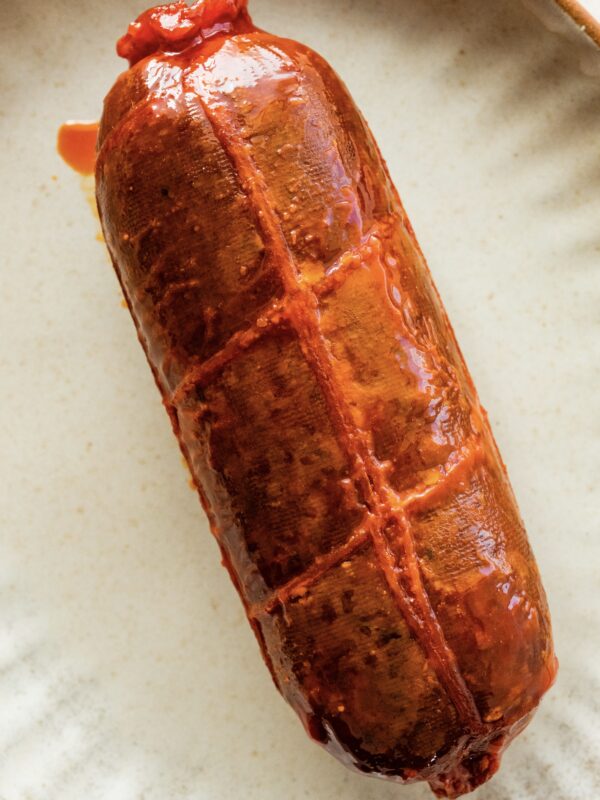
This guide helps you choose better pasta for any dish, especially simple recipes where pasta is the star. I love using high-quality pasta in dishes like Authentic Italian Pasta Carbonara, Classic Cherry Tomato Pasta Sauce, or Italian Pesto Genovese. Even the simplest sauces feel more elevated when paired with better pasta.





Couldn’t agree with you more Elena. I have tried many different brands both cheap and expensive and I have narrowed down them down to two favourites. It’s not about the price it’s about the quality and speaking from my own experience I can taste the difference, but I also believe it’s how you cook the pasta too. Has to be “al dente” every time ..!! That makes a huge difference.
YES!! The taste difference is so evident. I linked that post in this one about how to cook pasta correctly as that also adds to the taste and experience. It all makes a huge difference.
What about the organic pasta from costco? It says all the things that you said that it should say? Have you tried theirs?
I have not tried it, but if it follows the guidelines of sources, process, and ingredients that I suggest- it should be great!
What about fresh pasta? I support local vendors and we have many here who offer fresh pasta. I find it more delicious.
Yes!! Fresh pasta from local vendors is amazing.
Loved reading about the differences and which pastas to use when! Very informative! Thank you!